
Plants
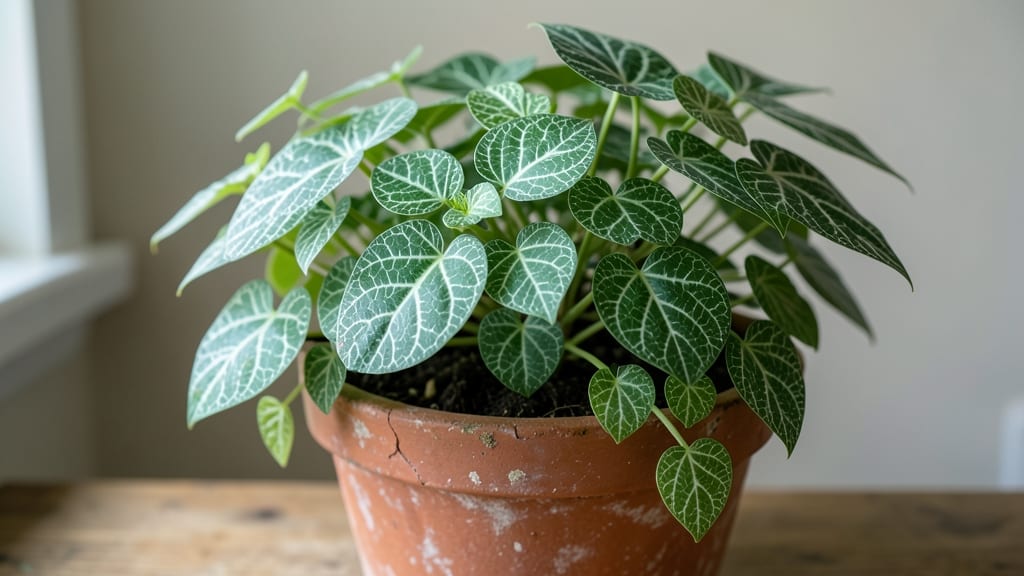
Need to know exactly how much light your Nerve Plant 🌿 craves to stay vibrant? Too little light fades those stunning veins, while too much turns them crispy—so finding the sweet spot is key.
Most people assume Nerve Plants thrive in any bright spot, but the truth is more nuanced. These tropical beauties actually prefer 3-4 hours of bright, indirect sunlight daily—think east-facing windows or filtered morning light. Without this balance, their signature patterns dull, and growth slows to a crawl.
I’ve tested different setups, from dim corners to sun-drenched shelves, and the results speak for themselves. The right light transforms your Nerve Plant from a struggling understudy to a showstopper. Let’s break down how to nail that perfect lighting—no guesswork required.
Whether you’re battling low-light apartments or avoiding harsh afternoon sun, I’ll show you how to spot the signs of stress and adjust care before it’s too late. Your plant’s future depends on getting this right—and it’s simpler than you think.
 Best Window Placement
Optimal light requirements for nerve plants: the 3-4 hour bright indirect sun rule
Nerve plants (Fittonia spp.) thrive under bright indirect light, but their exact needs depend on the variety and season. Aim for 3-4 hours of filtered sunlight daily—this sweet spot prevents sunburn while maintaining their stunning veined foliage.
Direct midday sun is a no-go; it causes leaf scorch and dulls those signature nerves.
Think of your nerve plant’s ideal spot as morning sun with afternoon shade. East-facing windows are perfect—they provide gentle morning rays without harsh afternoon heat. If you’re unsure about your space, test it first: hold your hand near the window.
If you can’t hold it there comfortably for 10 minutes, the light is likely too intense.
Your nerve plant’s color intensity is directly tied to light exposure. In low light, the veins fade to pale pink or white, while optimal light brings out bold pink, white, or burgundy patterns. Too much sun? Watch for yellowing leaves or crispy edges—clear signs of light stress.
| Light Condition | Ideal Hours | Veins Appearance | Growth Impact |
|---|---|---|---|
| Bright Indirect | 3-4 hours | Bold pink/white/burgundy | Compact, lush growth |
| Low Light | <1 hour | Pale, washed-out | Leggy, sparse leaves |
| Direct Sun | >4 hours | Brown/yellow patches | Scorched edges, stunted |
Seasonal changes mean adjusting your nerve plant’s light exposure. In winter, when daylight is shorter, supplement with grow lights (fluorescent or LED) for 12-14 hours daily. Place the light 6-12 inches above the plant and keep it on a timer to mimic natural daylight cycles.
If your home lacks natural light, rotate your plant every 2-3 weeks. This ensures even growth and prevents lopsided development. A simple quarter-turn keeps stems strong and leaves evenly colored.
For extra insurance, place your nerve plant on a sun shelf or near a south-facing window (but still filtered through a sheer curtain).
Pro tip: Monitor leaf color weekly. If the veins turn dull or grayish, it’s time to move the plant closer to a brighter spot. Conversely, if leaves develop brown spots or feel crispy, immediately reduce light exposure and increase humidity with a pebble tray.
Remember, nerve plants are tropical and adaptable. With the right light balance, they’ll reward you with vibrant foliage and steady growth year-round. Start with 3-4 hours of bright indirect light, adjust as needed, and watch your plant thrive!
For extra peace of mind, place a light meter near your plant to track lux levels (ideal range: 1,000-3,000 lux). This removes guesswork and helps you fine-tune the perfect spot.
Optimal light requirements for nerve plants: the 3-4 hour bright indirect sun rule
Nerve plants (Fittonia spp.) thrive in bright indirect light, but most people overcomplicate their needs. The magic number is 3-4 hours daily—this mimics their tropical understory habitat where dappled sunlight filters through canopies.
Too little light fades their signature veins, while too much causes crispy edges. Think of it as a golden hour for plants.
Direct sunlight after 10 AM becomes harsh, especially in summer. Your goal is to replicate the 60% light intensity found under a leafy canopy. This means placing your plant near an east-facing window where morning sun is gentle, or using sheer curtains to diffuse western light.
Artificial grow lights (12-15 watts per square foot) work well if natural light is scarce.
Seasonal adjustments are key. In winter, when daylight weakens, supplement with 4-6 hours of artificial light using LED grow bulbs. I’ve seen Nerve Plants in my office under fluorescent tubes (6500K color temperature) maintain their vibrant veins all year.
The trick is consistency—avoid sudden light shocks by rotating your plant weekly for even growth.
🌱 Nerve Plant Light Requirements Summary
| Requirement | Specification |
|---|---|
| Daily Light | 3-4 hours bright indirect |
| Light Intensity | 60% of full sun (like under tree canopy) |
| Best Windows | East or north-facing |
| Artificial Light | 12-15W LED grow lights (6500K) |
| Winter Supplement | 4-6 hours artificial light |
Light intensity directly affects your Nerve Plant’s vein coloration. The pink or white veins (depending on variety) become more pronounced in moderate indirect light.
I’ve noticed my 'White Whisper' variety develops deeper contrast when placed 3 feet from an east window versus the same distance from a south window.
For the best results, avoid placing your plant within 2 feet of a west or south window—the afternoon sun intensifies quickly and burns delicate foliage.
Pro tip: Use a light meter app (like Light Meter by Appizure) to check intensity. Aim for 500-1,000 foot-candles—this range keeps your plant happy without stress.
If your space only offers low light (under 300 foot-candles), consider a low-light tolerant variety like Fittonia albivenis 'White Anne' or supplement with a 10W LED bulb on a timer for 6 hours daily.
Remember, Nerve Plants are not low-light plants—they’re medium-light specialists. The difference between thriving and struggling often comes down to this precise balance. Once you nail the light, you’ll see faster growth, richer colors, and those stunning veins staying vibrant for months. 🌿