
Plants
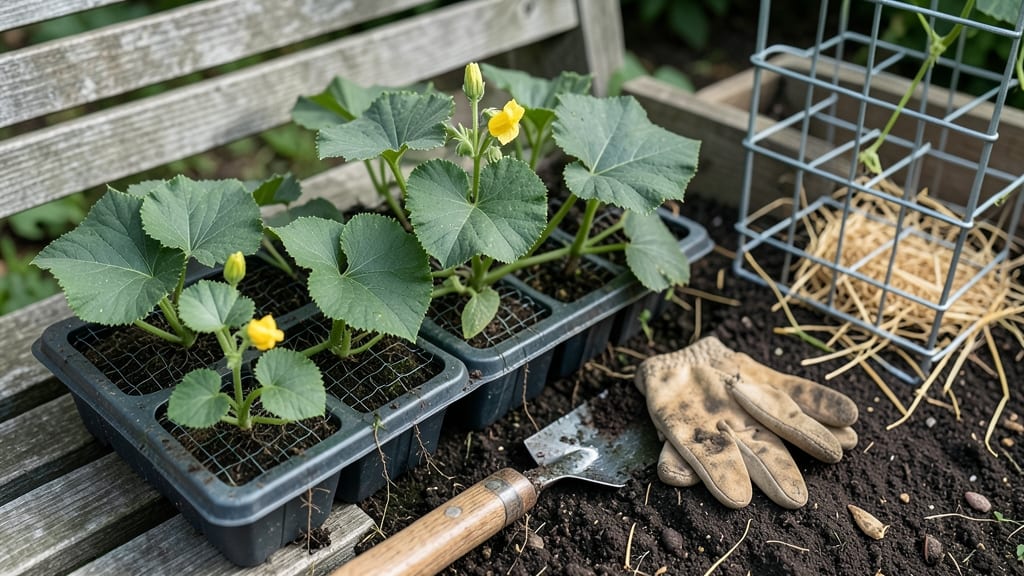
Timing your 🥒 cucumber planting in Chicago isn’t just about avoiding frost—it’s about catching that sweet spot between 50°F soil and 70°F air, when vines explode with growth. Plant too early, and a late frost will turn your seedlings into sad, wilted memories.
Too late, and you’ll miss the summer rush, leaving your garden begging for more harvests by September.
I’ve grown cucumbers here for years, and the difference between a bountiful harvest and a meager one often comes down to those 2-3 week windows after the last frost.
Chicago’s USDA Zone 5b-6a climate means you’ve got to play it smart—whether you’re direct-sowing in raised beds or starting seeds indoors to beat the heat.
What if I told you the secret weapon isn’t just the calendar, but how you prep your soil and choose your varieties? We’ll cover everything from black plastic mulch hacks to heat-tolerant picks that thrive when temps flirt with 90°F.
No more guessing—just proven dates and tricks to turn your backyard into a cucumber goldmine.
Ready to skip the trial-and-error? Let’s dive into the exact planting timeline that’s worked for Chicago gardeners (including me) for years—plus how to stretch your season so you’re still snacking on fresh 🥒 cucumbers well into August.
Chicago’s ideal cucumber planting dates by last frost average
Chicago’s USDA Zones 5b-6a mean your cucumber planting window hinges on two critical dates: the last spring frost (typically April 15) and the first fall frost (around October 15). Planting too early risks frost damage to tender seedlings, while waiting too long shortens your harvest window.
The sweet spot? Mid-May to early June for direct sowing, or late April for transplants under protection.
Local microclimates play a huge role. Urban areas like Lincoln Park often warm faster than South Side neighborhoods, creating a 1-2 week planting window difference.
Heat zones also matter—Chicago’s Zone 8b pockets (like near Lake Michigan) can support late summer plantings for fall harvests, while inland areas should stick to spring-only.
Here’s the data-driven planting timeline based on Chicago’s 165 frost-free days:
| Planting Stage | Chicago Timeline | Soil Temp Requirement | Microclimate Notes |
|---|---|---|---|
| Start Seeds Indoors | Late March | 65-75°F | Use grow lights; transplant after last frost |
| Direct Sow Outdoors | Mid-May to early June | 60°F minimum | Wait until night temps stay above 50°F |
| Transplant Seedlings | Late April to mid-May | 55-60°F | Use row covers for early starts |
| Fall Planting Window | Early August | 60°F+ | Only works in heat zone 8b areas |
| Harvest Window | July to September | N/A | Pick every 2-3 days for continuous yield |
| First Frost Risk | Mid-October | N/A | Use black plastic mulch to delay frost |
For container gardening, start seeds 2 weeks earlier (early April) since pots warm faster. Choose bush varieties like 'Bush Champion' to maximize small-space yields. In raised beds, soil warms 1-2 weeks sooner than in-ground plots, giving you an earlier planting edge.
Heat zones matter more than you might think. Areas near Lake Michigan (like Evanston) can handle late August plantings for fall harvests, while inland suburbs should focus on spring-only plantings.
Test your soil temperature with a soil thermometer—cucumbers won’t germinate below 60°F, even if frost risk is low.
Pro tip: Use black plastic mulch to raise soil temps by 5-10°F, extending your planting window by 10-14 days. This is especially helpful in Zone 5b areas where spring chills linger.
Pair this with row covers for early starts, removing them when vines hit 12 inches tall to prevent overheating.
Chicago’s short growing season (just 165 frost-free days) demands efficiency. Space plants 12-24 inches apart (depending on variety) and use trellises to save space. This vertical growth also improves air circulation, reducing powdery mildew—a common cucumber enemy in Chicago’s humid summers.
Don’t forget succession planting! Sow new seeds every 2 weeks from late May through early July to stagger harvests. This ensures you’re always getting fresh cucumbers while maximizing your 165-day window. For fall harvests, plant heat-tolerant varieties like 'Straight Eight' in early August if your microclimate allows.
Remember: Chicago’s unpredictable weather means flexibility is key. Keep a frost watch and have row covers ready for late May surprises. With the right timing, you’ll turn those 165 frost-free days into a bountiful summer harvest—no frost damage in sight! 🌱
How to extend Chicago’s growing season for cucumbers
Chicago’s short summer window can feel like a race against time for cucumber lovers, but with the right strategies, you can turn your garden into a year-round harvest machine. I’ve learned the hard way—skipping these tricks means cucumbers disappear by August, leaving you scrambling for store-bought options.
The key? Protecting tender vines from late frosts and early chills while maximizing every warm day.
Think of your cucumber season as a three-act play: spring prep, summer extension, and fall safeguards. Each act requires different tools—whether it’s a low-cost row cover or a heat-tolerant variety that laughs at 90°F heat.
Below are my top season-extending hacks, tested in my own backyard (and my neighbors’ gardens, because we’re all in this together).
- 1. Start with black plastic mulch to warm soil 10°F faster—plant seeds 1-2 weeks earlier than usual.
- 2. Use row covers (like Reemay fabric) to shield seedlings from late spring frosts (down to 28°F).
- 3. Plant heat-tolerant varieties like 'Straight Eight' or 'Lemon Cucumber', which thrive in 90°F+ heat.
- 4. Try succession planting: Sow new seeds every 2 weeks from May to July for staggered harvests.
- 5. Build a cold frame for fall harvests—extend season until October 15 (Chicago’s first frost).
- 6. Train vines vertically with trellises to save space and improve air circulation (reduces disease).
Let’s break down the most impactful strategies—starting with the easiest win: black plastic mulch. This isn’t just a hack; it’s a game-changer.
By laying down 1-2 mil black plastic 2 weeks before planting, you’ll raise soil temps to 90°F+ on sunny days, letting you plant 3 weeks earlier than the average Chicago gardener. Pro tip: Poke holes for seeds and water through them—no need to remove the mulch!
For late-spring protection, row covers are your best friend. I’ve used floating row covers to shield seedlings from late May frosts (yes, they do happen). These lightweight fabrics let sunlight and water through while blocking 28°F temps.
Just remember to remove them once flowers appear—cucumbers need bees for pollination, and covers can trap too much heat.
When summer hits, heat-tolerant varieties become non-negotiable. I’ve had the best luck with 'Straight Eight' (crunchy, classic slicing cucumbers) and 'Lemon Cucumber' (bursting with flavor in 90°F heat). These varieties won’t bolt (go to seed) like delicate heirlooms, giving you 2-3 more weeks of harvests.
Pair them with drip irrigation to avoid wetting leaves—this cuts down on powdery mildew, a common killer in Chicago’s humid summers.
Finally, don’t underestimate succession planting. Instead of betting everything on one planting, sow half your seeds every 2 weeks from May to July. This ensures you’re harvesting cucumbers from early July through September.
I’ve even planted a final batch in early August under a cold frame—by October, I’m still pulling tiny, sweet pickles before the first frost.
With these tricks, you’ll turn Chicago’s short summer into a cucumber lover’s paradise. Trust me, your taste buds (and your neighbors) will thank you when you’re still snacking on fresh 🥒 cucumbers in September.