
Plants
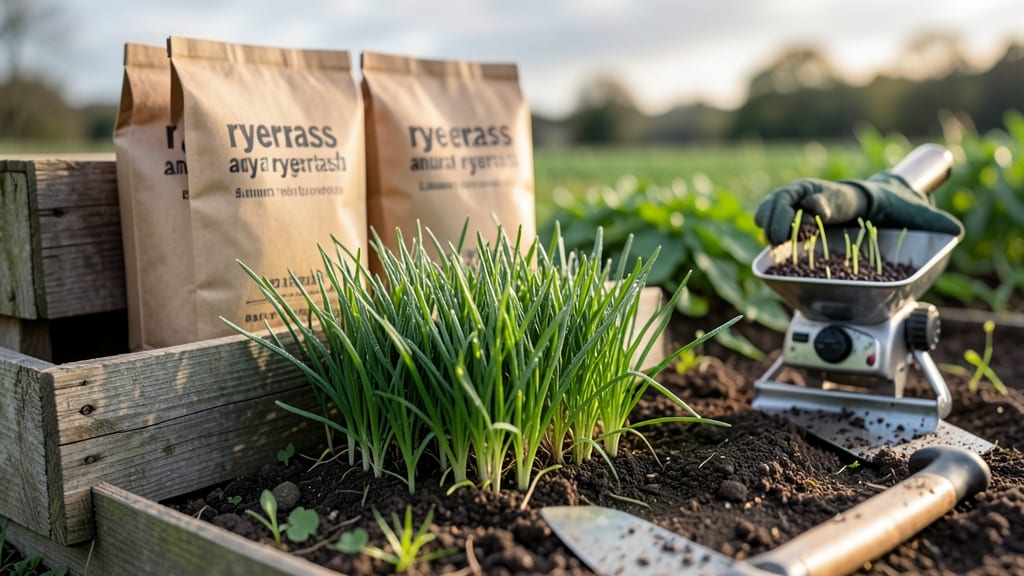
Planting winter grass in Arizona isn't just about timing—it's about catching that perfect 4-6 week window before summer heat turns your seeds into dust. If you wait too long, you'll end up with sparse, struggling patches that never quite take hold, no matter how much you water.
Here's the secret: Arizona's cool-season grasses like ryegrass and fescue need to establish roots before the monsoon season fades into scorching temperatures.
That means starting your winter grass project in late September or early October—when soil temps drop just enough to encourage germination but before the first real heatwave hits.
But timing isn't everything—soil prep matters just as much. The key is working with Arizona's unique climate: alkaline soils that bake under the sun but still need proper moisture to support new growth.
I'll walk you through exactly how to prepare your lawn for success, so you're not left wondering why your winter grass looks more like a desert than a lush carpet.
Let's cut through the guesswork and get your winter grass off to the best possible start, because in Arizona, the difference between a thriving lawn and a failed experiment often comes down to those first few critical weeks after planting.
Arizona’s ideal winter grass planting timeline by microclimate
Arizona’s cool-season grasses like ryegrass and fescue thrive when planted during fall’s mild temperatures—but timing varies by region. In Phoenix and Tucson, aim for late September to early November to avoid summer heat stress. Meanwhile, Flagstaff’s high-desert climate allows planting as late as mid-October due to cooler nights.
The key is planting when soil temperatures drop below 85°F but before first frost risk (rare in most of Arizona). For low-desert areas, this means September is your best bet, while high-elevation zones can extend planting into November.
Always check your local USDA Zone 9b frost data for precision.
Here’s how Arizona’s microclimates break down for optimal winter grass germination—because what works in Scottsdale may fail in Sedona.
| Region | Best Planting Window | Soil Temp Goal | Key Consideration |
|---|---|---|---|
| Phoenix/Tucson (Low Desert) | Late September - Early November | Below 80°F | Avoid summer heat; rely on monsoon rains |
| Prescott/Sedona (Footills) | Mid-September - Mid-October | Below 75°F | Cooler nights extend window slightly |
| Flagstaff (High Desert) | Late August - Mid-October | Below 70°F | Longer cool season allows later planting |
| Yuma (Extreme Low Desert) | Early September - Early October | Below 85°F | Short window due to intense summer heat |
🌱 Pro Tip: Test soil temps with a soil thermometer at 2" depth before planting.
Monsoon season’s end (mid-September) signals the perfect time to plant. Ryegrass germinates fastest in 60-70°F soil, while fescue tolerates slightly cooler 55-65°F conditions. If you miss the fall window, December can work in cooler high-desert areas, but growth will slow dramatically.
Watering is critical during establishment. New seedlings need 1-1.5 inches of water weekly—either from irrigation or natural rainfall. In Arizona’s dry climate, rely on drip irrigation or soaker hoses to keep roots moist without wasting water. Avoid overhead sprinklers, which can spread disease in hot conditions.
One common mistake Arizona gardeners make is planting too late. If you wait until November in the low desert, seedlings may struggle to establish before summer heat returns.
Conversely, planting in August risks heat stress and poor germination. Aim for that sweet spot between monsoon rains and cooling temperatures.
For best results, choose cool-season grass blends labeled for Arizona’s climate. Look for drought-tolerant varieties like tall fescue or annual ryegrass, which handle low winter rainfall better than traditional lawn grasses. These varieties also recover faster from foot traffic once established.
If you’re in a transition zone (like Mesa or Gilbert), err on the earlier side—late September—to give seeds time to germinate before November’s occasional cold snaps. Use a lightweight row cover if frost threatens, but most of Arizona’s Zone 9b stays frost-free year-round.
Remember: seed depth matters. Plant winter grass seeds no deeper than ¼ inch—any deeper, and they won’t get enough oxygen to sprout. Lightly rake the soil after sowing to ensure good seed-to-soil contact, then keep it consistently moist until germination (typically 7-14 days in ideal conditions).
Finally, mow high once your grass reaches 3-4 inches to encourage deep root growth. In Arizona, this means waiting until late fall or early winter—but the payoff is a thicker, more drought-resistant lawn come spring. 🌱
Arizona’s ideal winter grass planting timeline by microclimate
Arizona’s diverse microclimates mean your winter grass planting window can vary dramatically between Phoenix’s desert heat and Flagstaff’s cooler highlands. In Phoenix and Tucson, aim for mid-September to early October—when daytime temps drop below 85°F but nighttime stays above 60°F.
This 4-6 week window lets seeds germinate before summer’s return. Meanwhile, Flagstaff’s high-desert zone can handle planting as late as mid-October thanks to cooler soils.
The key is soil temperature, not just air temperature. Use a soil thermometer—ideal germination occurs when soil stays between 60°F and 75°F for 7+ consecutive days.
In Yuma and southern AZ, this might mean starting in late August, while Prescott and Sedona can wait until early November. Miss this window, and your seeds will either bake or rot before sprouting.
🌱
Don’t let rainfall patterns fool you—Arizona’s monsoon season can linger into October, creating temporary "green windows" that aren’t ideal for planting. Wait until 2-3 weeks after the last major rain to avoid waterlogged seeds.
In Maricopa County, this often means holding off until late September, even if temps seem perfect.
For overseeding existing lawns, adjust your timeline by 2 weeks earlier—established grass competes for nutrients, so you’ll need that head start.
Use a slit seeder to ensure seeds make contact with moist soil, and consider a starter fertilizer with high phosphorus (P) to boost root growth during these critical weeks.
Pro tip: Mark your calendar for November 1st—this is Arizona’s unofficial "last call" for winter grass planting. After this date, daytime heat typically returns, and your seeds will struggle to germinate.
If you miss the window, wait until next fall—don’t try planting in spring, as winter grasses go dormant in Arizona’s summer heat.
✂️