
Plants
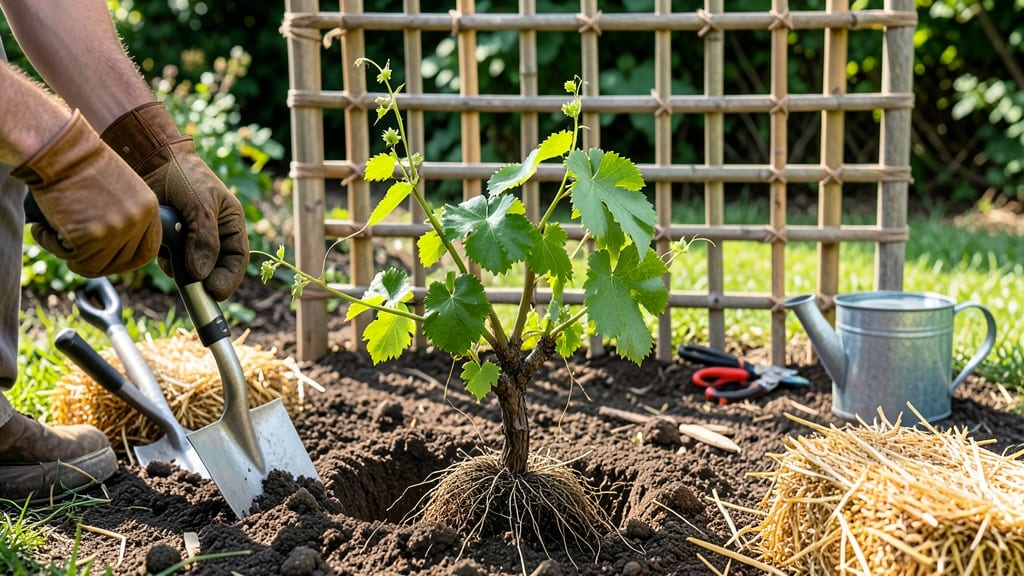
Planting grapes in Arizona isn’t just about grabbing a vine from the nursery—it’s about outsmarting the desert’s brutal heat and unpredictable monsoons. The key to success lies in timing your 🍇 grape planting just right, when temperatures are mild and the soil holds moisture without scorching delicate roots.
Most Arizona gardeners swear by planting between November and February, when cooler nights and shorter days give young vines the best chance to establish strong roots before summer’s relentless sun arrives.
But here’s the catch: even within that window, your local microclimate—whether you’re in Phoenix’s 12a zone or Tucson’s 9b—can shift the optimal timing by weeks.
In this guide, I’ll break down exactly when to plant grapes in Arizona, including how to prep your soil, choose the right varieties, and avoid the three biggest mistakes that turn thriving vines into crispy casualties.
Whether you’re planting in-ground or containers, these tips will help you beat the heat and harvest plump, juicy grapes by June or July.
Ready to turn your backyard into a grape-growing oasis? Let’s dive into the heat-zone calendar that’ll keep your vines happy year-round—no guesswork required.
Arizona’s best planting windows for grapes by heat zone
Arizona’s extreme heat and alkaline soils demand precise timing when planting grapes. The best window spans November through February, aligning with cooler temperatures and monsoon moisture preparation. This period minimizes heat stress on young vines while maximizing root establishment before summer’s brutal sun.
Grapes thrive in Arizona’s USDA zones 9b-11, but microclimates vary dramatically. Low desert areas like Phoenix and Tucson (zone 10-11) face higher heat intensity, while higher elevations like Flagstaff (zone 9b) experience milder winters.
Understanding your local heat zone ensures you plant at the optimal time for your vine’s survival.
Here’s how Arizona’s three primary heat zones influence planting timing and care strategies:
| Heat Zone | Best Planting Window | Key Considerations | Soil Prep Tip |
|---|---|---|---|
| Low Desert (Zone 10-11) | November 15 - January 31 | Avoid summer heat; use drip irrigation and shade cloth for young vines. | Amend with compost and gypsum to break up alkaline soil. |
| Transition (Zone 9b) | October 15 - February 15 | Cooler nights allow earlier planting; watch for late frosts in March. | Add organic matter to improve water retention. |
| High Desert (Zone 8-9a) | March 1 - April 15 | Longer growing season; hardier varieties like Thompson Seedless thrive. | Mulch heavily to retain moisture in dry winds. |
For low desert zones, I recommend planting bare-root vines in late November to early January. This timing allows roots to establish before the 100°F+ temperatures of summer. Use drip irrigation to deliver water directly to roots, reducing evaporation and fungal risks.
In transition zones, extend your window into early March if you’re planting cold-hardy varieties like Concord or Niagara. These grapes tolerate brief 30°F dips, making them ideal for areas with unpredictable spring frosts. Always monitor local frost forecasts and cover young vines if frost is predicted.
High desert gardeners can push planting into early spring, but avoid planting after April 15. The rapid temperature swings in May can shock young vines. Instead, opt for container planting to control soil temperature and moisture more precisely.
Regardless of your zone, pre-monsoon planting (before July) is critical. The sudden downpours can saturate soil, leading to root rot in young vines. If you must plant later, choose drought-resistant rootstocks like Ramsey or 110 Richter to improve survival rates.
Pro tip: Test your soil’s pH and salinity before planting. Arizona’s alkaline soils often have pH levels above 8.0, which grapes dislike. Aim for a 6.0-7.0 pH by amending with elemental sulfur or peat moss.
A simple soil test kit (available at garden centers) will give you the data you need.
Timing isn’t just about the calendar—it’s about reading your microclimate. Notice where shade persists longer in your yard or garden, as these spots stay cooler. Planting near structures or trees can buy you an extra 2-4 weeks of viable growing time before summer’s peak heat arrives.
Finally, remember that grapes are perennial in Arizona’s climate. A well-timed planting now means decades of harvests with minimal replanting. Choose your window wisely, and your vines will reward you with juicy, sun-ripened grapes for years to come.
Pre-planting checklist: Arizona-specific tips for grapes
Arizona’s alkaline desert soil and 110°F+ summers demand extra prep work before planting grapes. Skipping these steps means your vines will struggle from day one, even if you nail the timing. The key? Amending soil, choosing the right rootstock varieties, and protecting young plants from sudden monsoon downpours.
Start by testing your soil’s pH level—Arizona’s naturally high pH (often 7.5-8.5) can lock out essential nutrients. Aim for a 6.0-6.5 pH by mixing in 2-3 inches of compost and sulfur amendments (follow package rates). For containers, use a well-draining potting mix with added perlite to prevent root rot.
Next, select drought-resistant rootstocks like 'Freedom' or '1103 Paulsen', which thrive in Arizona’s heat. These rootstocks pair well with table grape varieties such as 'Thompson Seedless' or 'Red Globe'. Avoid delicate wine grape rootstocks—they’ll wilt faster in our climate.
Here’s where most Arizona gardeners trip up: shade cloth timing. If planting in March or April, use 30-50% shade cloth for the first 2-3 weeks to ease young vines into the sun.
Remove it gradually to avoid sunburn shock. Pro tip: Install a drip irrigation system before planting—grapevines hate dry feet, and Arizona’s soil dries out fast.
🌱Monsoon season (July-September) can drown young vines if planted too late. Always check your local USDA heat zone—Phoenix (11a) can handle slightly later plantings than Tucson (9b).
For container grapes, use 5-gallon pots with saucers to prevent water loss, and elevate them to avoid root rot during heavy rains.
Deadly Mistake: Planting Too Early or Too Late
Never plant grapes in Arizona before November 1st—frost risk in high desert areas (like Flagstaff) can kill tender roots. Conversely, planting after March 15th exposes vines to heat stress before they establish roots. Even worse? Skipping soil amendments in alkaline soil leads to nutrient deficiencies (yellow leaves = zinc or iron deficiency).
💡 Pro Tip: If you must plant outside the ideal window, use black plastic mulch to warm soil in early spring or burlap wraps to protect vines from sudden cold snaps in fall.
Finally, mulch heavily (4-6 inches of straw or wood chips) to retain moisture and regulate soil temperature. Avoid organic mulches like grass clippings—they can introduce weeds and compact soil.
For trellis systems, install them at planting time to prevent root disturbance later. Arizona’s unpredictable monsoons mean your vines need sturdy support from day one.
With these prep steps locked in, your grapevines will have the best shot at surviving Arizona’s extremes. Just remember: patience is key—don’t expect fruit until year two or three. The wait is worth it for homegrown grapes that taste nothing like store-bought! 🍇