
Planting
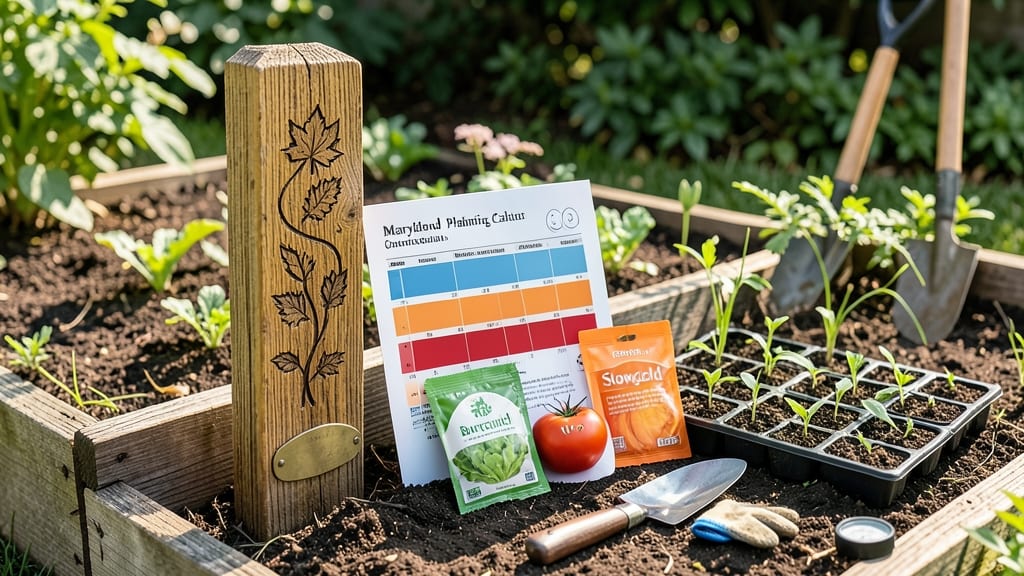
When should I plant my garden in Maryland? Timing your garden in Maryland isn’t just about tossing seeds into the dirt—it’s about beating the unpredictable spring frosts that can turn your hard work into a sad, wilted mess. With last frost dates shifting from April 15 in the mountains to as late as May in coastal areas, knowing exactly when to plant your 🌱 General Garden Vegetables & Flowers means the difference between a bountiful harvest and a disappointing flop.
You’ve probably heard the generic advice to wait until “after the last frost,” but Maryland’s 7a-7b zones demand a more precise approach.
Plant cool-season crops like spinach or broccoli 4-6 weeks before your local last frost date, while warm-season favorites like tomatoes need to wait until 2-3 weeks after the danger has passed. Skipping this step could leave you scrambling when late frosts strike—or worse, missing peak harvest windows entirely.
Here’s the good news: with the right frost-free deadlines and a few region-specific tweaks, you can outsmart Maryland’s weather.
Whether you’re in Baltimore’s urban heat islands or the cooler Piedmont, I’ll show you exactly when to start seeds indoors, transplant seedlings, and even adjust for microclimates like the Eastern Shore’s milder coastal breezes.
Ready to finally get your garden on track? Let’s dive into the exact planting schedule that’ll have your veggies thriving—and your neighbors asking for your secrets.
Maryland frost dates by heat Zone: when to plant cool-season vs warm-season crops
Maryland spans USDA Hardiness Zones 5b through 8a, meaning frost dates vary dramatically from the mountains (Zone 5b) to the Eastern Shore (Zone 8a). Understanding these zones helps you avoid frost damage while maximizing your growing season.
For example, Baltimore (Zone 7a) has an average last frost date of April 15, while Frederick (Zone 6b) may see frost until May 1.
Cool-season crops like spinach, broccoli, and kale thrive when planted 4-6 weeks before your last frost date. Warm-season crops such as tomatoes, peppers, and cucumbers need to wait until 2-3 weeks after the last frost.
Timing these correctly ensures your plants mature before Maryland’s first fall frost, which typically arrives between October 15 and November 15, depending on the region.
Pro Tip: Use the University of Maryland Extension’s frost date calculator to get hyper-localized planting windows for your specific ZIP code. This tool accounts for microclimates that can shift frost dates by 1-2 weeks even within the same county.
| Region | USDA Zone | Avg. Last Frost | Avg. First Frost | Cool-Season Planting Window | Warm-Season Planting Window |
|---|---|---|---|---|---|
| Western MD (Frederick, Hagerstown) | 6b-7a | April 25 | October 20 | March 15 - April 15 | May 10 - June 1 |
| Central MD (Baltimore, Annapolis) | 7a-7b | April 15 | October 30 | March 1 - April 1 | April 25 - May 15 |
| Eastern Shore (Salisbury, Easton) | 8a | March 25 | November 10 | February 15 - March 15 | April 10 - April 30 |
| Western Mountains (Deep Creek Lake) | 5b-6a | May 10 | October 5 | April 15 - May 1 | June 1 - June 15 |
🌱 Note: Adjust dates 1-2 weeks earlier for urban areas (heat islands) and later for rural/high-elevation spots.
For warm-season crops, Maryland’s soil temperature matters just as much as air temperature. Wait until the soil reaches 60°F (15°C) at a depth of 4 inches—this usually aligns with the last frost date but can vary by 1-2 weeks depending on weather.
Test with a soil thermometer or plant peas or spinach as an early indicator.
If you’re growing perennials or bulbs, plant them in fall (September-October) to establish roots before winter. For example, daylilies and lavender thrive when planted in cool, moist soil before the ground freezes. This gives them a head start in spring, ensuring bigger blooms and healthier growth.
Don’t forget about succession planting! In Maryland, you can often squeeze in 2-3 harvests of fast-growing crops like radishes, lettuce, and bush beans by planting every 2-3 weeks after your initial sowing. This keeps your garden productive well into fall.
For container gardening, warm-season plants can be started 2-4 weeks earlier than in-ground planting because containers warm up faster. Just be ready to move pots indoors if a late frost threatens. Use black plastic mulch to warm soil 2-3°F faster and extend your planting window by 10-14 days.
Always check the National Weather Service or local agricultural extensions for real-time frost advisories. A single unexpected late frost can wipe out tender seedlings, so stay flexible and monitor forecasts closely in April and October.
🌿
How to adjust planting times for Maryland’s microclimates and unpredictable weather
Maryland’s varied geography—from the Eastern Shore’s coastal breezes to the mountains’ late frosts—means one-size-fits-all planting advice won’t work. Even within USDA Zones 5b–8a, microclimates shift planting windows by weeks.
For example, Baltimore’s urban heat islands can push last frost dates 1–2 weeks earlier than rural areas, while Western Maryland’s valleys often see delayed spring warmth.
To adapt, start by observing your yard’s unique conditions. Does it sit in a low-lying area where cold air pools? Or bask in full sun exposure all day? Use these observations to fine-tune planting schedules.
For instance, coastal regions like Annapolis may safely plant warm-season crops like tomatoes by mid-April, while mountainous areas like Garrett County might wait until late May.
🌱
Another key strategy is soil temperature testing. Use a soil thermometer to confirm when cool-season crops like kale or carrots can go in (40–50°F) or when warm-season crops like peppers are safe (60°F+).
In Western Maryland, soil may not warm enough until late May, while coastal areas can plant 2 weeks earlier.
For fall planting, aim to sow cool-season crops like broccoli or radishes by mid-August in most of Maryland. However, mountainous regions can extend this window to early September due to cooler nights.
Use black plastic mulch to warm soil and jumpstart spring planting or row covers to protect fall crops from early frosts.
Finally, don’t overlook container gardening for flexibility. Pots can be moved to sheltered spots during late frosts or hot afternoons. This is especially useful in urban gardens where microclimates shift dramatically over short distances.
For example, a north-facing balcony might support leafy greens all summer, while a south-facing patio can grow tomatoes or peppers.
By combining local observations, seasonal adjustments, and protective tools, you can turn Maryland’s unpredictable weather into an advantage. Start small—test a few strategies this year—and watch your garden thrive despite the Chesapeake Bay’s coastal breezes or the Appalachian Mountains’ late snows. 🌿