
Plants
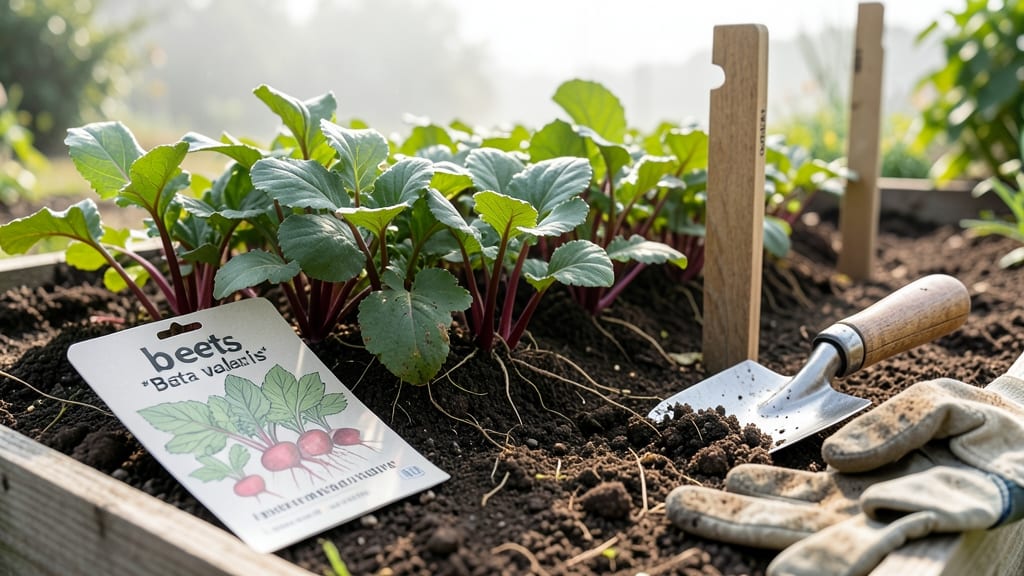
Want to plant beets at the perfect time in Zone 9 without ending up with tough, woody roots? The key isn’t just soil or water—it’s timing when temperatures cooperate.
Most gardeners assume spring is the only window, but in Zone 9’s warm climate, fall planting actually gives you the best shot at flavorful harvests. By sowing seeds between mid-August and September, you’ll avoid the brutal summer heat while still enjoying fresh beets before winter sets in.
I’ve tested this approach for years, and the difference is night and day—crisp roots instead of bitter ones. Whether you’re a beginner or a seasoned gardener, this timing trick will transform your beet game.
Let’s break down the exact month-by-month schedule, soil prep secrets, and how to stretch your harvest through winter. Your garden (and taste buds) will thank you!
Optimal fall planting timeline for beets in Zone 9
Zone 9 gardeners have a unique advantage with beets—they can grow them year-round, but fall planting yields the sweetest, tenderest roots. Unlike cooler climates, Zone 9’s mild winters and hot summers demand precise timing to avoid bolting (flowering) or woody roots.
The ideal window is late summer through early fall, when soil temperatures drop below 80°F but stay above 50°F.
For baby beets (harvested at 1-2 inches), aim to sow seeds 8-10 weeks before your first frost—though Zone 9 rarely freezes, cooler months (November-January) slow growth and improve flavor.
Mature roots need 10-12 weeks to reach harvest size, so plan accordingly. Miss this window, and you’ll risk bolting from lingering summer heat or leggy greens from winter stretching.
Here’s the critical timeline for Zone 9’s fall beet success:
| Planting Window | Soil Temp (°F) | Harvest Window | Key Notes |
|---|---|---|---|
| Late August - Mid-September | 65-75°F | October - November | Best for baby beets; avoid bolting with evening watering. |
| Mid-September - Early October | 60-70°F | November - December | Ideal for mature roots; cooler temps sweeten roots. |
| November - Early December | 55-65°F | January - February | Slow growth; protect from wind; harvest before greens bolt. |
Pro tip: Use shade cloth in late summer to lower soil temps before planting. This trick buys you 2-3 extra weeks of ideal conditions before bolting risks spike.
For example, if you plant September 15th, your beets will mature by November 15th—just as daytime temps drop to the 70s°F, perfect for sweetness.
Zone 9’s coastal vs. inland microclimates matter too. Coastal areas (like San Diego) can plant 2 weeks later than inland zones (like Phoenix) due to ocean breezes moderating heat. Test your soil’s moisture retention—sandy soils dry faster and may need drip irrigation to maintain even moisture.
Harvest timing varies by variety. Detroit Dark Red (a classic) takes 60 days to mature, while Babybeat (baby beets) is ready in 45 days. Mark your calendar for October 1st as the last chance to sow for a winter harvest—after that, growth slows dramatically.
Use a planting journal to track your first year’s success!
Don’t overlook succession planting. Sow new seeds every 2 weeks from August through October to stagger harvests. This ensures a continuous supply of fresh beets without overwhelming your garden at once.
Pair them with carrots or radishes, which thrive in the same conditions and act as natural pest deterrents.
One common mistake? Waiting until October to plant for a winter harvest. By then, days are shorter, and roots grow slowly, leading to small, tough beets. Start in September instead—you’ll thank yourself when you pull crisp, 3-inch roots in November.
🌱
Key factors that determine beet planting success in Zone 9
In Zone 9, where summers are scorching and winters are mild, growing sweet, tender beets requires more than just timing—it’s about creating the right conditions. The soil temperature, watering schedule, and sunlight exposure all play critical roles in preventing bolting (premature flowering) and ensuring crisp roots.
First, focus on soil preparation. Beets thrive in loose, well-draining soil with a pH between 6.0 and 7.0. In Zone 9, where soils can compact easily, amend with compost or aged manure to improve structure. Avoid heavy clay, which can cause misshapen roots.
Watering is non-negotiable—especially in fall when temperatures drop but evaporation remains high. Aim for 1 inch of water per week, delivered in the evening to reduce fungal risks. Let the top inch of soil dry between waterings to prevent rot, but never let it become bone-dry.
⚠️ Avoid These Common Mistakes
- Overwatering leads to soggy soil and rot—beets hate wet feet!
- Skipping mulch in fall lets soil cool too quickly, stunting growth.
- Planting in full sun during summer—beets bolt faster in heat.
- Ignoring pests like leaf miners or beetles can devastate greens.
Sunlight needs shift with seasons. While beets love 6+ hours of sun, in Zone 9’s intense summer heat, they’ll bolt faster. For fall planting, a south-facing spot with afternoon shade works best. If your garden is coastal, expect cooler, foggier mornings—adjust watering to avoid over-saturation.
Don’t overlook companion planting to deter pests. Pair beets with garlic, onions, or lettuce to confuse pests like aphids. Avoid planting near pole beans, which compete for nutrients. For continuous harvests, try succession planting every 2-3 weeks from September to January.
Finally, monitor for disease signs like yellowing leaves or powdery spots. Remove affected plants immediately and rotate crops next season. With these adjustments, your Zone 9 beet harvest will be sweet, crisp, and abundant—no summer woody texture in sight!