
Plants
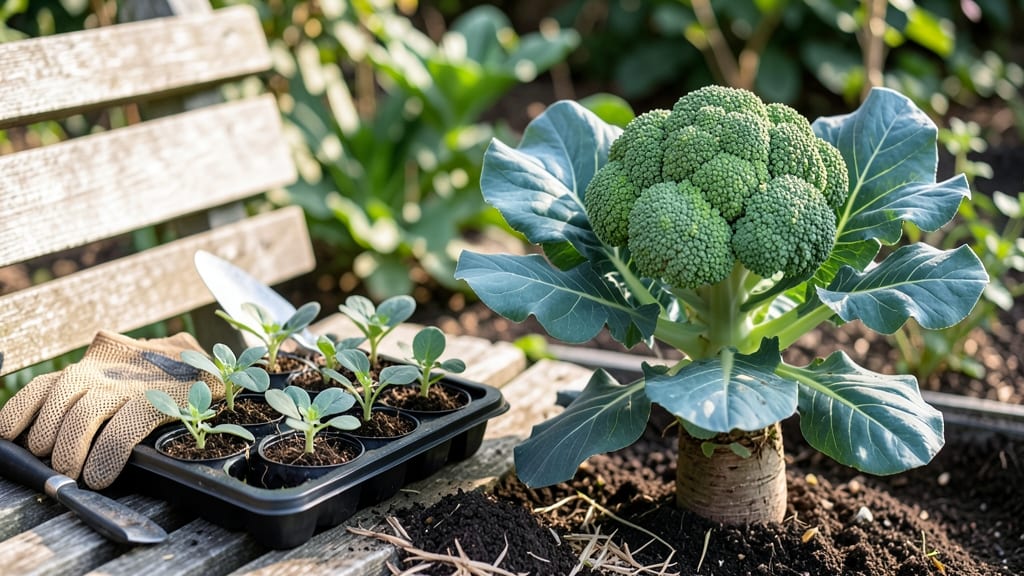
Timing your broccoli planting just right in Seattle means the difference between a bountiful harvest and wasted effort. The right windows—early spring or late summer—align perfectly with the city’s 8a climate zone, but one wrong move could leave your 🥦 vulnerable to frost or bolting.
Most gardeners in Seattle rush to plant too early, only to watch their seedlings wither in late-spring frosts.
I’ve learned the hard way that patience pays off—starting seeds indoors 4–6 weeks before your last frost date (around April 15) gives them a head start, while fall plantings should begin in August for a harvest before the first frost in mid-October.
What if your neighborhood’s microclimate throws off the schedule? Coastal areas stay milder longer, while inland spots can drop faster. I’ll show you how to adjust for these variations, plus which broccoli varieties handle Seattle’s quirks best—so you’re not left guessing when to plant.
Ready to grow broccoli that thrives, not just survives? Let’s break down the exact steps to time your plantings like a pro, from soil prep to frost-proofing strategies that actually work in the Pacific Northwest.
Seattle’s ideal broccoli planting windows: spring vs fall timing explained
Seattle’s USDA Zone 8a climate creates two perfect windows for growing crisp, frost-free broccoli: early spring and late summer. Timing is everything—plant too early, and late frosts will ruin your crop; too late, and summer heat stresses the plants before harvest.
Let’s break down the science behind Seattle’s optimal planting dates and how to calculate yours.
Broccoli thrives in cool weather (50–75°F), making spring and fall the ideal seasons. In Seattle, the last average frost date is around April 15, while the first frost typically arrives October 15.
These dates bookend your two best planting periods: March–April for spring harvests and August–September for fall harvests.
To maximize your yield, align planting with soil temperatures. Broccoli seeds need soil at least 40°F to germinate, while transplants prefer 50–60°F. In Seattle, soil warms to these temperatures by early March for spring and stays ideal until September for fall.
Use a soil thermometer to confirm—cold, wet soil delays germination.
🌱 Pro Tip: For spring planting, start seeds indoors 4–6 weeks before your last frost (around February 20–March 1 in Seattle). Transplant seedlings outdoors when they’re 4–6 inches tall and nighttime temps stay above 40°F. This gives plants enough time to mature before summer heat arrives.
Spring vs. Fall Planting Comparison
| Factor | Spring Planting | Fall Planting |
|---|---|---|
| Planting Window | March–April | August–September |
| Soil Temp Needed | 40–50°F | 50–60°F |
| Days to Maturity | 60–75 days | 75–90 days |
| Harvest Window | May–June | October–November |
| Frost Risk | Late frosts (April) | Early frosts (Oct) |
| Best Varieties | ‘Calabrese,’ ‘Green Gems’ | ‘Waltham 29,’ ‘De Cicco’ |
| Key Challenge | Heat stress in summer | Early frost damage |
For fall planting, aim to sow seeds 90–120 days before your first frost (around July 1–August 15 in Seattle). This ensures broccoli matures before cold snaps. Use row covers or cold frames to extend the season if needed—Seattle’s microclimates can delay frost in sheltered areas.
Seattle’s coastal vs. inland microclimates also affect timing. Coastal areas (like West Seattle) stay cooler and may have 2–3 weeks later frost dates than inland spots (like Bellevue). Check local Almanac frost charts or use a frost calculator to fine-tune your schedule.
For example, if your neighborhood frosts October 20, plant fall broccoli by July 10.
🌿 Remember: Broccoli planted in May or June often bolts (goes to seed) in Seattle’s heat. If you miss the spring window, wait until late July for a second chance—but prioritize fall varieties that tolerate cooler temps. Success hinges on precision timing and variety selection.
To avoid common mistakes, test your soil pH (6.0–7.0 is ideal) and amend with compost before planting. Seattle’s acidic soils can stunt growth—add lime if needed.
Also, space plants 18–24 inches apart to prevent crowding, which invites pests and disease. With these adjustments, you’ll harvest bold, flavorful broccoli heads twice a year!
How to adjust planting for Seattle’s microclimates and frost risks
Seattle’s weather isn’t one-size-fits-all—coastal areas like West Seattle stay milder, while inland spots near Bellevue can drop 10°F colder overnight. If you plant broccoli seedlings too early in these hotter zones, they’ll bolt from the heat, while coastal gardeners might face late-spring frosts that wipe out unprotected plants.
The key? Adjust your timing based on your exact microclimate.
For urban Seattle gardens, start seeds indoors 4–6 weeks before your last frost date (April 15). But if you’re in a sheltered microclimate like Ballard or Queen Anne, you might push planting back 1–2 weeks later to avoid frost.
Use the USDA 8a zone as a baseline, but always check your neighborhood’s frost history—some areas get 50+ extra frost-free days than others.
🌱Pro Tip: Coastal gardeners can extend fall harvests by planting ‘De Cicco’ broccoli as late as September 1st, while inland growers should finish by August 15th to avoid early frosts. Always calculate 90–120 days before your first frost (October 15) for fall plantings.
⚠️ Frost Risk Alert: Late-Spring Surprises
Seattle’s late-May frosts (yes, they happen!) can devastate unprotected seedlings. If your spring planting window feels risky, use row covers or opt for cold-hardy varieties like ‘Waltham 29’ that tolerate 25°F temperatures. For extra protection, plant near windbreaks or in south-facing beds that warm faster.
Wind exposure is another Seattle-specific challenge. Exposed areas (like rooftop gardens or open fields) need extra frost protection—consider low tunnels or cloches for seedlings.
If you’re in a protected microclimate (e.g., a courtyard or garden surrounded by buildings), you can plant 2 weeks earlier than the general schedule, as heat retention delays frost.
For backup planting dates, note these Seattle-specific adjustments: - Spring: If April 15 frost passes safely, transplant seedlings by May 1st.
If not, delay until May 15th and use row covers until soil warms. - Fall: Coastal areas can plant until September 15th; inland areas should finish by August 31st.
💧Watering Hack: After transplanting, water deeply in the morning to help soil warm faster and prevent cold shock in roots. Mulch with straw or wood chips to insulate plants from temperature swings—a must for Seattle’s unpredictable nights.