
Plants
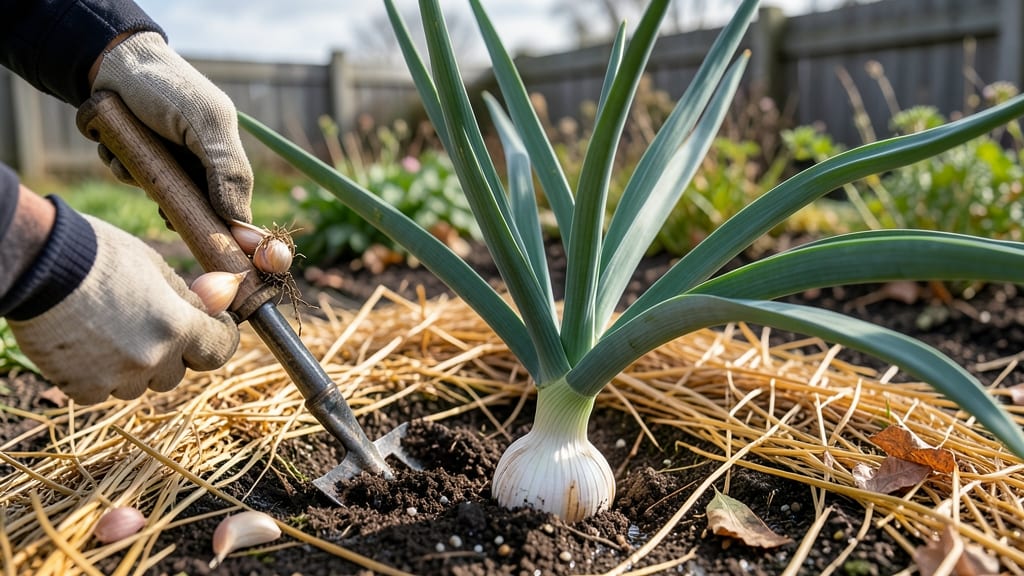
Planting garlic in Northeast Ohio at the wrong time means your 🧄 bulbs could freeze solid before spring—leaving you with nothing but disappointment. The key to a thriving harvest lies in understanding the 4-6 week window before the ground freezes, which typically falls between mid-October and early November.
Unlike other crops, garlic thrives when planted in fall, giving it time to establish roots before winter dormancy. But with Northeast Ohio’s unpredictable frost dates (often arriving by mid-October), timing is everything.
Hardneck varieties, like the popular 'German Red,' need extra attention—plant them too late, and you risk stunted growth or complete failure.
I’ve learned the hard way that soil temperature matters just as much as the calendar. Aim for a consistent 40°F reading before planting, and always use well-draining soil to prevent rot.
Whether you’re a seasoned gardener or new to growing garlic, these regional tips will help you avoid common pitfalls and set yourself up for a bountiful summer harvest.
Ready to master the timing? Let’s break down exactly when to plant hardneck vs. softneck varieties—and how to adjust for Northeast Ohio’s microclimates—so you can grow garlic like a pro.
Northeast Ohio garlic planting deadlines: hardneck vs softneck by month
Northeast Ohio’s USDA Zone 5-6 climate demands precision when planting garlic—hardneck varieties thrive in our winters, while softneck types need earlier starts.
The optimal window spans from mid-October to early November, but timing shifts based on your county’s first frost dates (typically October 15 in Cleveland, October 20 in Akron).
Hardnecks like 'German Red' or 'Music' need 4-6 weeks before the ground freezes to establish roots, while softnecks ('Silverskin') can handle slightly later planting but risk smaller bulbs. Soil temperatures should dip below 40°F but not freeze—this is your sweet spot for planting.
Here’s your month-by-month breakdown, including critical temperature thresholds and soil readiness cues to avoid frozen cloves or stunted growth.
| Month | Hardneck Deadlines | Softneck Deadlines | Soil Temp | Risk Level |
|---|---|---|---|---|
| September | Early Sept (Urban Areas) | Early Sept (All Zones) | 50-60°F | Low (Early) |
| October | Mid-Oct to Early Nov | Mid-Oct to Late Nov | 40-50°F | Moderate |
| November | Early Nov (Max) | Late Nov (Risky) | 35-40°F | High (Late) |
| December | Not Recommended | Not Recommended | Below 32°F | Critical |
⚠️ Key: Risk increases after November 15 for hardnecks; softnecks can stretch to December 1 in sheltered beds.
For hardneck varieties, aim to plant by November 1 in most of Northeast Ohio. Cuyahoga County gardeners should finish by October 25, while Geauga County (cooler microclimates) can push to November 10. Use a soil thermometer—ideal temps hover around 40-50°F.
Softnecks like 'Artichoke' are more forgiving but still need 6-8 weeks before winter sets in. If you miss the October window, consider row covers or straw mulch to insulate bulbs. Never plant after December 1—the risk of frost heave or rot skyrockets.
Pro tip: Break apart bulbs into individual cloves 1-2 days before planting. Let them air-dry to prevent rot—a critical step for disease prevention in Ohio’s humid fall air. Plant pointy-end up, 2 inches deep, and 4 inches apart.
Watch for soil moisture—it should feel like a wrung-out sponge. Overwatering in late fall can drown cloves before they root. Drainage is non-negotiable; amend heavy clay with compost or sand if needed.
Hardnecks need cold stratification to form scapes (those prized garlic shoots). If you plant too late, you’ll miss this summer harvest bonus. Softnecks, meanwhile, prioritize bulb size over scapes—so their later window is safer for storage varieties.
Mark your calendar for April 15, Northeast Ohio’s average last frost date. This is when garlic resumes active growth. By then, your fall-planted cloves should have 2-inch shoots—a sign of successful timing.
Remember: No
How to adjust planting timing for Northeast Ohio’s microclimates
Northeast Ohio’s varied landscapes—from urban heat islands to lake-effect snowbelts—mean your garlic’s ideal planting window might differ by just a few blocks. If you’re in Cleveland’s downtown core, soil warms faster than in Geauga County’s rolling hills, so adjust your schedule accordingly.
Even a 5°F temperature swing can push your deadline by weeks, so knowing your microclimate is key to avoiding frozen cloves or premature sprouting.
Urban gardens often experience higher soil temperatures due to pavement and buildings, allowing you to plant hardneck garlic up to 2 weeks later than rural areas. Test your soil with a thermometer—ideal planting temps are 40–50°F at 4-inch depth.
If your soil hits 32°F before your cloves are in, they’ll freeze solid, and your harvest will suffer. Use mulch (straw or leaves) to insulate the soil and extend your window by 10–14 days.
Lake-effect zones near Lake Erie face delayed frosts and colder winters, so aim to plant 2–3 weeks earlier than inland areas. If you’re unsure, mid-October is a safe bet for most of Lorain, Ashtabula, and Erie Counties.
For elevated areas like Cuyahoga Valley, where cold air pools, plant by late September to avoid early freezes. Always check your local USDA Zone 6a frost forecast—a sudden cold snap can turn your carefully planned schedule into a disaster.
Planting garlic after November 15 in Northeast Ohio risks smaller bulbs and poor overwintering. If you miss the window, use row covers or cold frames to protect young shoots until soil warms in spring—but yields will never match fall-planted garlic.
Row covers and heavy mulch (6+ inches) can push your planting deadline by 2–3 weeks, but they’re not foolproof. If temperatures drop below 20°F, even covered garlic will struggle.
For softneck varieties, which are slightly more frost-tolerant, you can stretch the window to early December—but hardnecks will bolt or rot. Always monitor weather forecasts and have a backup plan, like a greenhouse or unheated garage for emergency storage if a freeze is predicted.
If you’re in a microclimate with erratic frosts, like near Akron’s hills, consider staggered planting: sow half your cloves in late September and the rest in early November. This hedges your bets against unpredictable weather.
For container gardening, use black pots to absorb heat and plant 1–2 weeks later than ground soil—just ensure pots are insulated with bubble wrap in winter.
Finally, soil moisture matters just as much as temperature. In Northeast Ohio’s wet springs, over-saturated soil can delay planting. If your garden is soggy, raise beds or plant on mounds to improve drainage.
Aim for soil that’s moist but not waterlogged—a simple squeeze test (damp, not dripping) confirms readiness. With these adjustments, you’ll turn Northeast Ohio’s quirks into advantages for a bountiful garlic harvest next summer. 🌱