
Plants
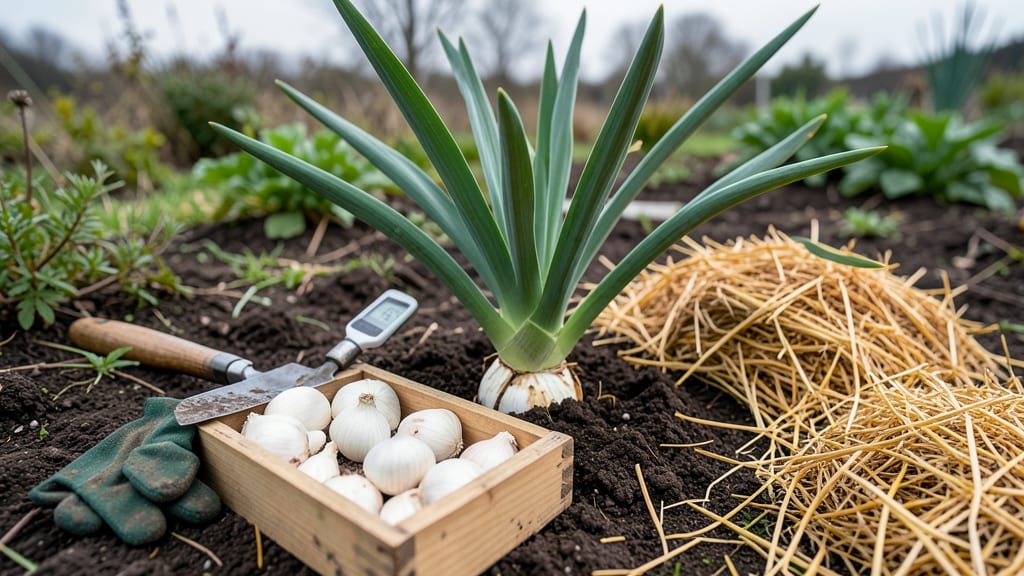
Planting garlic in Las Vegas isn’t as simple as dropping cloves into the ground and hoping for the best—this desert climate demands precision.
The key to success lies in timing your 🧄 garlic just right, when temperatures are cool enough to prevent early bolting but warm enough to avoid frost damage.
Most gardeners in USDA Zone 9a know the classic advice: plant in fall for spring harvest. But in Las Vegas, where winters are mild and summers scorching, the rules shift.
You’ll want to get those cloves in the ground between October and November, giving them time to establish roots before the heat ramps up.
Why does timing matter so much? Because garlic hates heat stress—plant too late, and your bulbs might bolt prematurely. Too early, and they could rot in the soil before maturing. I’ll show you exactly how to nail that sweet spot for zero-frost garlic that thrives in the desert.
Ready to grow plump, flavorful garlic that actually survives Las Vegas summers? Let’s break down the exact schedule, soil prep tricks, and heat-beating strategies that work here—no guesswork required.
Las Vegas garlic planting calendar: month-by-month zero-frost schedule
Las Vegas’ frost-free winters mean we can’t rely on cold to trigger garlic dormancy like gardeners in colder zones. Instead, we focus on temperature thresholds and heat avoidance to prevent bolting.
The ideal window is October through November, when daytime highs stay below 75°F and nights dip into the 50s°F—perfect for root establishment.
Hardneck varieties (like Silverskin) handle our mild winters better than softnecks, but all types need 6-8 weeks of cool soil temps before summer heat arrives. Miss this window, and you risk premature bolting—when garlic flowers too early and bulbs stay small.
Here’s your Las Vegas garlic timeline, adapted for zero-frost conditions:
| Stage | Action | Temperature Target | Notes |
|---|---|---|---|
| Early October | Plant cloves 2" deep | 60-75°F | Soil should be 60°F+ |
| November | Mulch heavily (4-6") | 50-65°F | Prevents heat stress |
| December-February | Minimal care (light water) | 45-60°F | Avoid overwatering |
| March-April | Remove mulch, add compost | 65-80°F | Encourages bulb growth |
| May-June | Harvest when lower leaves brown | 80-95°F | Stop watering 2 weeks before |
For late plantings (December), use shade cloth (30-50%) to keep soil temps cool. I’ve had success with Artichoke garlic planted in early December under shade—just monitor for bolting stems by April.
Pro tip: Test your soil in September. Las Vegas’ alkaline soil (pH 7.5-8.5) needs compost or sulfur to hit the ideal 6.0-7.0 pH. Use a soil test kit from a local nursery like Bass Pro Shops—they’re affordable and accurate.
One common mistake? Planting too shallow. In our dry climate, 2-inch depth is critical—any shallower, and cloves dry out. Use a wooden dowel to mark planting spots if you’re working in loose desert soil.
Remember: No frost here means no natural dormancy trigger. We rely on heat stress to signal harvest time. That’s why June is your only safe harvest window—after that, bulbs may split or rot in the heat.
🌱
How to adjust garlic planting for Las Vegas’ extreme heat: soil prep & shade strategies
Las Vegas’ 100°F+ summers can turn garlic into a sad, bolting mess if you don’t prepare the soil and protect your plants. The key is creating a cool microclimate around your garlic beds while ensuring proper drainage—because soggy soil in the heat is just as deadly as scorching sun.
Start by amending your soil with organic matter like compost or aged manure. Las Vegas’ native soil is often sandy and nutrient-poor, so mix in 2-3 inches of compost to improve moisture retention without compacting.
This helps roots stay cool while still allowing excess water to drain away during monsoon season.
Here’s the critical step most gardeners miss: mulching aggressively. Use a 3-4 inch layer of straw or wood chips (not fresh wood chips, which can mat) to insulate the soil.
This keeps temperatures 10-15°F cooler at the root zone and reduces evaporation. I’ve seen garlic survive 110°F days with proper mulch that others lost to heat stress.
For garlic planted in full desert sun, consider temporary shade during the hottest months. A 30-40% shade cloth (not more—garlic needs light!) can drop soil temps by 15°F and prevent premature bolting. Install it in May and remove in September to avoid stunting growth during cooler months.
Watering is another common pitfall. Deep, infrequent watering (every 10-14 days) is better than daily shallow drinks. Water in the early morning to reduce evaporation, and aim for 1-1.5 inches per week. Let the top inch of soil dry between waterings—garlic hates soggy roots but won’t tolerate drought either.
Finally, choose raised beds if your soil is particularly poor or heavy. They warm up faster in fall (helping establish roots) and drain better during monsoons. Just avoid beds that bake like ovens—add extra mulch and plant on the north side of structures for shade.