
Plants
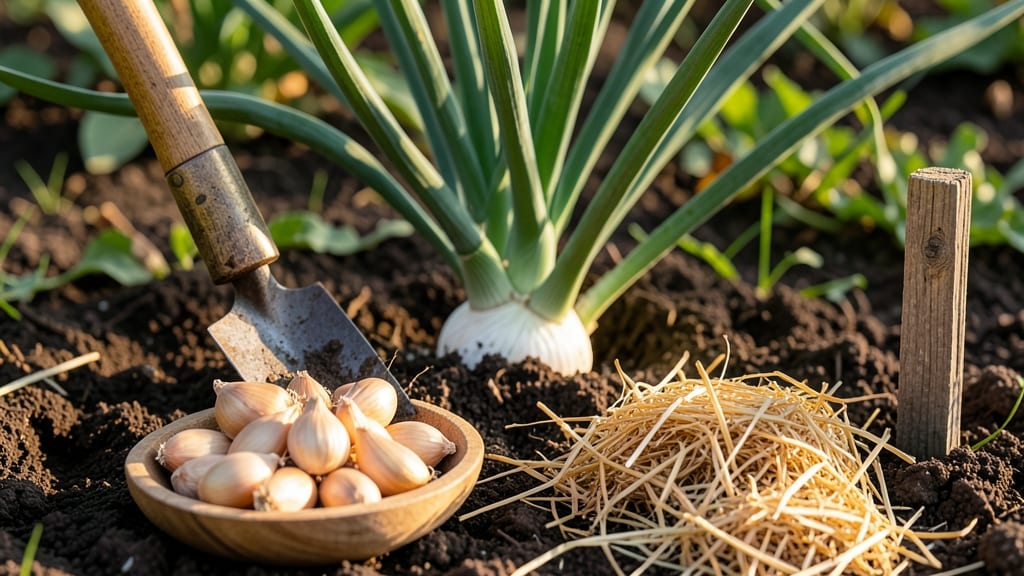
Planting garlic in Seattle at the wrong time can leave you with weak, puny bulbs—or worse, no harvest at all. The key to growing bold, flavorful 🧄 garlic lies in timing it perfectly between Seattle’s mild winters and unpredictable frosts, especially when coastal and inland zones behave so differently.
If you’ve ever wondered why some gardeners swear by October planting while others wait until November, it’s all about Seattle’s unique microclimates. The 4-6 week window before the ground freezes is your golden opportunity, but getting it wrong means risking rot or stunted growth.
Let me show you exactly when—and how—to plant for the best yields in your specific neighborhood.
From choosing the right hardneck varieties to preparing soil that drains well in our rainy climate, I’ll break down the steps that make all the difference.
Whether you’re a first-time grower or a seasoned gardener, these tips will help you avoid common pitfalls and end up with garlic that’s worth bragging about.
Ready to turn your fall garden into next summer’s flavor powerhouse? Let’s get those cloves in the ground at the perfect moment for Seattle’s unpredictable weather patterns.
Seattle garlic planting calendar: coastal vs inland timing differences
Seattle’s coastal and inland zones create two distinct garlic planting worlds. Coastal areas near Puget Sound enjoy milder winters with later frost dates, while inland spots like Redmond or Kenmore face colder snaps.
Understanding these differences ensures your garlic gets the 6-8 weeks of cold dormancy it needs for robust bulbs.
For coastal Seattle (USDA Zone 8a-9a), aim to plant garlic between mid-October and early November. The ocean’s moderating effect delays first frost until late November or December, giving you a longer window.
Inland areas, however, should plant 4-6 weeks earlier—typically late September to mid-October—to account for earlier frosts.
Here’s the key difference: Coastal garlic can handle soil temps down to 30°F, while inland cloves may struggle below 35°F. Use your local frost-free days (Seattle averages 165 days) as a guide—plant when daytime highs hover around 50-60°F and nights dip near freezing.
Pro tip: Check the National Weather Service’s Seattle forecast for your specific neighborhood. Areas like Ballard or West Seattle may align with coastal timing, while Sammamish or Carnation lean inland. Adjust by 1-2 weeks based on microclimates like urban heat islands or sheltered valleys.
🌱 Seattle Garlic Planting Timeline: Coastal vs Inland
| Factor | Coastal Seattle | Inland Seattle |
|---|---|---|
| Planting Window | Mid-October to early November | Late September to mid-October |
| First Frost Date | Late November–December | Mid-November |
| Ideal Soil Temp | 40–50°F | 35–45°F |
| Cold Dormancy Needed | 6–8 weeks below 40°F | 6–8 weeks below 35°F |
| Harvest Window | Mid-July to early August | Late July to mid-August |
| Best Varieties | ‘German White’, ‘Silverskin’ | ‘Music’, ‘Chesnok Red’ |
⚠️ Adjust 1–2 weeks earlier for high-elevation areas like Snoqualmie Pass.
Why does this matter? Garlic needs vernalization—a cold period—to form bulbs. Plant too late, and you’ll get skinny, pithy cloves instead of plump harvests. Coastal gardeners can push the envelope slightly later, but inland areas risk frost damage if cloves aren’t in the ground by mid-October.
Use Seattle’s historical frost data as a backup. For example, Sea-Tac (coastal) has a 90% chance of frost after November 15, while Boeing Field (inland) often sees frost by November 1. Plant accordingly, and you’ll avoid the heartbreak of frozen garlic come winter.
One more tip: If you’re unsure about your microclimate, plant a test row in early October. This gives you a buffer—if frost hits early, you can still harvest green garlic (young shoots) for cooking before the ground freezes. It’s not ideal, but it’s better than losing the whole crop!
For hardneck varieties (like ‘Music’), which thrive in Seattle’s climate, aim for October 15 as your deadline. Softnecks (like ‘Artichoke’) are more forgiving but still benefit from cooler fall temps. Either way, mark your calendar and watch for daytime temps dropping below 50°F—that’s your cue to plant!
Seattle garlic planting calendar: coastal vs inland timing differences
Seattle’s microclimates create a puzzle for garlic growers. Coastal areas like West Seattle and Ballard enjoy milder winters, while inland zones like Redmond or Bellevue face earlier frosts. This means your planting window could shift by weeks depending on where you live.
The USDA Zone 8a classification covers most of Seattle, but local frost dates vary wildly. Coastal areas often have 2-3 weeks later first frosts than inland spots. For example, Seattle-Tacoma Airport averages its first frost around November 15, while Everett (just north) can see frost by October 25.
To nail your timing, aim to plant 4-6 weeks before the ground freezes solid. This typically lands in mid-October to early November for most of Seattle, but coastal gardeners can push it to late October or even November. Inland growers should start by mid-October to avoid frost damage.
| Location Type | Best Planting Window | Key Consideration |
|---|---|---|
| Coastal Seattle (West Side) | Late October - Early November | Milder winters; later frost dates |
| Inland Seattle (East Side) | Mid-October - Late October | Colder microclimate; earlier frost risk |
| Everett/Aurora | Early October - Mid-October | Harshest winters; plant earliest |
| All Seattle Areas | 4-6 weeks before ground freeze | Universal rule for all microclimates |
Check your local frost dates using tools like the National Weather Service or Old Farmer’s Almanac. These resources provide 10-day forecasts that help pinpoint your exact planting window.
For example, if your area’s first frost is predicted for November 10, plant by October 15 to ensure the cloves establish roots before winter sets in.
Pro tip: Hardneck garlic thrives in Seattle’s climate, producing larger bulbs and scaly scapes (those edible garlic stems). Since it requires cold vernalization (a period of cold to trigger bulb formation), planting at the right time ensures you’ll get both the bulbs and the scapes next summer.
Remember, garlic planted too late may not form bulbs at all, while planting too early can lead to premature sprouting or rot in Seattle’s wet winters. The 4-6 week window is your sweet spot for bold, flavorful garlic that’s ready to harvest next July or August.
🧄