
Plants
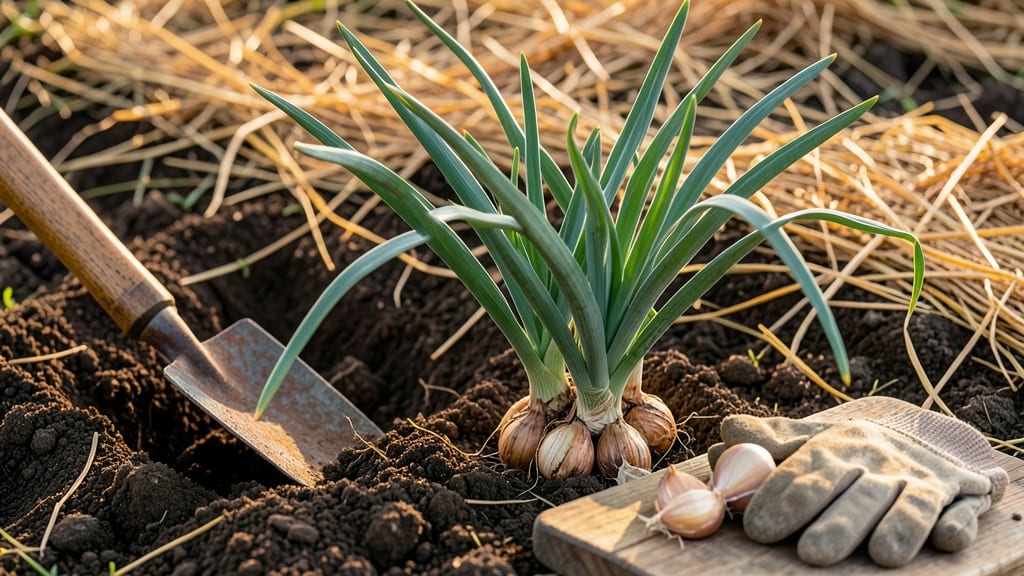
Planting garlic when do you plant garlic in the fall 6-8 weeks before your first frost isn't just about timing—it's the game-changer that determines whether you'll harvest plump, flavorful bulbs or struggle with weak growth.
That crisp fall air signals the perfect moment to get your 🧄 cloves in the ground, but many gardeners miss this window entirely.
For most of us in USDA Zone 6a (and similar climates), that means aiming for late September or early October. The key is giving your garlic enough time to establish roots before winter sets in, so it can wake up strong in spring and focus on bulb development.
Skipping this window often leads to smaller yields or even failed crops.
I've learned the hard way that proper fall planting isn't just about throwing cloves into the soil. It's about preparing your garden beds, choosing the right varieties, and protecting your investment with smart mulching techniques.
Let me walk you through exactly what to do—and when—to set yourself up for a bumper garlic harvest next summer.
Whether you're a seasoned gardener or just starting with garlic, these simple steps will help you avoid common mistakes and maximize your harvest. Ready to grow garlic that'll make your kitchen (and neighbors) jealous?
The perfect fall planting timeline for garlic: 6-8 weeks before frost explained
Timing is everything when it comes to growing garlic from fall plantings. The magic happens when you plant 6-8 weeks before your first frost date, giving cloves time to establish roots before winter dormancy.
This window ensures your garlic develops strong bulbs the following summer rather than just leafy tops.
For most of the U.S. (USDA zones 3-10), this means planting between mid-October and early November.
However, gardeners in warmer southern zones (8-10) may need to plant as early as September to avoid winter rains or cooler northern zones (3-5) might push planting to late October or November.
To calculate your exact planting window, check your local first frost date (available through the USDA Plant Hardiness Zone Map or local agricultural extensions). Subtract 6-8 weeks from that date to determine your ideal planting window.
For example, if your first frost is November 15th, aim to plant between September 24th and October 15th. This timing allows roots to establish before the ground freezes, setting the stage for large, flavorful bulbs the next summer.
Here’s why this timing matters: Garlic needs cold stratification (a period of cold temperatures) to trigger bulb formation. Planting too early risks excessive leaf growth before winter, while planting too late may result in poor root development and smaller bulbs.
Regional adjustments are key. In Zone 5, where I garden, I plant around October 1st to ensure roots establish before the ground freezes in mid-November. Meanwhile, a friend in Zone 8 plants as early as September 15th to avoid winter rains that can rot cloves.
Missed the fall window? Don’t worry—you can still plant garlic in early spring, but bulbs will be smaller and less flavorful compared to fall-planted varieties. The secret to success lies in preparing your soil and cloves properly before planting.
Now, let’s break down the ideal planting timeline with a quick reference table to help you plan:
| Region (USDA Zone) | Ideal Planting Window | Key Consideration |
|---|---|---|
| Zones 3-5 (Cold Climates) | Late October - Early November | Ground freezes by mid-November; prioritize root establishment. |
| Zones 6-7 (Temperate Climates) | Mid-October - Late October | Balanced window for root growth and winter protection. |
| Zones 8-10 (Warm Climates) | September - Early October | Avoid winter rains; plant early to prevent rot. |
*Adjust based on your local frost dates for best results.
Once you’ve nailed down your planting window, focus on soil preparation and clove selection. Well-draining soil with a pH of 6.0-7.0 and loose, fertile beds will give your garlic the best start. Avoid planting in areas where alliums (like onions) have grown recently to prevent disease.
After planting, mulch heavily with straw or leaves to insulate cloves from freezing temperatures. This layer also suppresses weeds and retains moisture. In extreme cold zones (below Zone 4), consider adding an extra layer of mulch or even a light frost blanket for added protection.
With the right timing and care, your fall-planted garlic will reward you with bold flavors and large bulbs by next summer. The key is patience—garlic grows slowly, but the effort is worth it for homegrown harvests that rival store-bought varieties.
Pro tips for fall garlic planting: soil, depth, and spacing secrets for bigger bulbs
Now that you’ve picked your planting window, let’s dive into the soil secrets that’ll make your garlic bulbs extra plump. Garlic thrives in well-draining soil with a pH between 6.0 and 7.0.
If your soil is heavy clay or sandy, mix in 2-3 inches of compost or aged manure before planting to improve texture and fertility.
For optimal bulb development, plant each garlic clove with the pointy end up, about 2 inches deep. This depth protects cloves from freezing and ensures strong root growth. Use a hand trowel or even a pencil to make precise holes—no need for fancy tools!
| Requirement | Specification |
|---|---|
| Soil Type | Well-draining, loose loam |
| Soil pH | 6.0–7.0 (neutral) |
| Planting Depth | 2 inches (pointy end up) |
| Spacing | 4–6 inches apart |
| Mulch Thickness | 4–6 inches (straw or leaves) |
Spacing is another game-changer. Give each clove 4–6 inches of space in all directions. This prevents crowding, which leads to smaller bulbs and increases airflow to reduce disease risk. If you’re short on space, opt for hardneck varieties, which tolerate tighter conditions better than softnecks.
After planting, cover the bed with 4–6 inches of mulch—straw is ideal because it insulates roots, retains moisture, and blocks weeds. Avoid using fresh grass clippings, as they can mat down and suffocate young shoots.
Mulch also protects cloves from freeze-thaw cycles, which can heave them out of the soil.
For gardeners in rocky or heavy soils, create raised beds or amend the soil with coarse sand or perlite to improve drainage. If your soil is too acidic, sprinkle lime (following package rates) a few weeks before planting.
Test your soil’s pH with a DIY kit—it’s a small step that pays off big in harvest size!
Finally, mark your garlic rows with bamboo stakes or flags so you don’t accidentally dig them up in spring. Garlic needs to stay undisturbed until harvest time the following summer. With these pro tips, your fall-planted garlic will reward you with bold flavors and massive bulbs next year. 🧄