
Plants
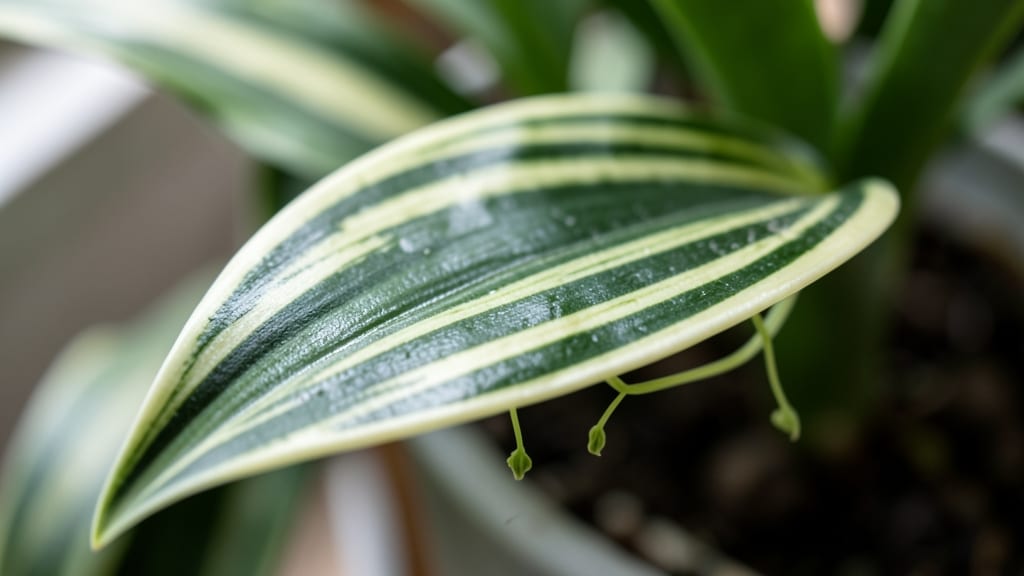
Wondering how much light your Spider Plant 🌿 needs to stay lush and green? The answer might surprise you—this hardy plant thrives in conditions many overlook, from dim corners to bright, filtered sunlight.
I’ve watched my own Spider Plant bounce back from neglect, proving it’s one of the most forgiving houseplants around. But even resilient varieties need the right balance—too little light and it stretches weakly, too much and those iconic stripes fade.
Let’s break down the sweet spot so you can keep yours happy year-round.
Whether you’re dealing with a north-facing window or a sunroom bathed in afternoon rays, I’ll show you exactly where to place your plant for peak growth. Plus, I’ll share my go-to fixes for those pesky brown tips or leggy stems that scream, “Adjust my light!”
Ready to give your Spider Plant the perfect glow? You’ll leave this guide knowing not just how much light it needs, but where to put it for that effortless, jungle-vibe energy in any room.
 Best Window Placement
Ideal light requirements for spider plants: low to bright indirect sunlight explained
Spider plants (Chlorophytum comosum) are famously adaptable, but their light needs often get misunderstood. Unlike sun-loving succulents, these plants thrive in low to bright indirect sunlight.
The key is avoiding harsh direct rays while ensuring enough light for photosynthesis. Let’s break down the three light zones where your spider plant will flourish—or struggle.
First, understand that spider plants fall into the medium-light category of houseplants. They can survive in low-light conditions (like north-facing windows), but they’ll grow faster and produce more spiderettes (those adorable baby plants) with bright indirect light.
Think of it like Goldilocks—you want it just right, not too dim or too harsh.
Here’s the light spectrum simplified: Low light (10-20% sunlight) is tolerable but slows growth. Medium indirect light (20-50%) is ideal for most homes. Bright indirect light (50-70%) maximizes growth but requires filtered sunlight. Direct sun (over 70%) will scorch their leaves faster than you can say "brown tips."
🌿
| Light Level | Sunlight % | Growth Impact | Best Locations |
|---|---|---|---|
| Low Light | 10-20% | Survival mode: Slow growth, fewer spiderettes | North-facing windows, offices without windows |
| Medium Indirect | 20-50% | Ideal: Healthy foliage, steady spiderette production | East/west windows, 3-5 ft from south window |
| Bright Indirect | 50-70% | Optimal: Fast growth, vibrant variegation | Sheer curtains over south window, grow lights |
Now, let’s talk about how to identify these light zones in your home. Low light areas feel dim—like a room with no windows or only a north-facing one where sunlight barely touches the floor. Medium indirect light is what you’d find near an east or west window, where sunlight is gentle and spreads across surfaces. Bright indirect light is trickier—it’s the glow you’d get near a south-facing window with sheer curtains filtering the rays.
Pro tip: Hold your hand near your plant’s leaves during the day. If you can’t see your shadow clearly or the light feels diffused, it’s likely medium indirect. If the light is harsh and casts sharp shadows, move your plant back or add a sheer curtain.
Spider plants are forgiving, but they’ll reward you with lush green leaves and plentiful spiderettes when you get the light right.
Seasonal changes can also affect your spider plant’s light needs. During winter, when daylight is shorter, your plant might crave a little extra light. Conversely, in summer, the intense midday sun can become too harsh. Adjusting your plant’s position every few months keeps it happy year-round.
One common mistake is assuming all indirect light is created equal. For example, a south-facing window without curtains provides direct sun, which can burn spider plant leaves. Always test a spot for a few hours first—if the leaves feel warm to the touch, it’s too intense.
Aim for a spot where leaves stay cool and the light is soft, like dappled sunlight under a tree.
🪴
Remember, spider plants are low-maintenance champions when it comes to light. They’ll survive in less-than-ideal conditions, but they’ll truly thrive when given the right amount of bright indirect sunlight. Start by placing your plant near an east or west window, and observe its reaction over a few weeks.
Adjust as needed—your spider plant will thank you with vibrant growth and those charming little spiderettes dangling from its leaves.
Signs your spider plant isn’t getting the right light: yellow leaves, brown tips, and more
Your Spider Plant is sending you signals—through its leaves—when the light isn’t quite right. I’ve seen yellow leaves and brown tips transform into vibrant green growth once the lighting was adjusted.
These symptoms aren’t just cosmetic; they’re your plant’s way of saying, “I need help!” Let’s decode what your Spider Plant is trying to tell you.
One of the first red flags is yellowing leaves, especially on the older ones. This often means your plant is getting too much direct sunlight, causing stress.
But here’s the twist: if the yellowing happens on new growth, it could signal underwatering or low light. Pay attention to where the discoloration starts—it’s your clue.
Another classic sign is brown tips. These crispy edges are usually a cry for humidity, but they can also be linked to over-exposure to light.
If the brown tips appear suddenly after moving your plant closer to a window, you’ve likely given it more light than it can handle. The good news? This is an easy fix with proper care.
Leggy growth is another telltale sign your Spider Plant isn’t getting enough light. When stems stretch out and leaves space themselves far apart, it’s reaching for more light. This isn’t just unsightly—it weakens the plant and makes it more prone to falling over. Trust me, I’ve had my share of lanky Spider Plants that snapped under their own weight!
🌿 Callout-Warning 🌿
Spider Plants thrive in bright indirect light (4-6 hours daily) but tolerate low to medium indirect light. Direct sun causes leaf burn, while too little light leads to weak, leggy growth. Place 2-3 feet from an east or west-facing window for ideal conditions.
If your Spider Plant’s leaves start developing white or yellow streaks, it’s often a sign of too much direct sunlight. These streaks are essentially sunburn marks. Move your plant away from south-facing windows or harsh afternoon sun, and watch those streaks fade over time.
I once had a Spider Plant with severe streaking—moving it to a shaded spot saved it!
Don’t overlook slow growth or small, pale leaves as signs of light issues. When your plant isn’t getting enough light, it conserves energy by producing smaller leaves. This is its survival mode, and while it’s not immediately harmful, it’s a clear indication that your Spider Plant needs a brighter spot.
A simple shift can reignite its growth.
Finally, if you notice drooping leaves, especially in the morning, it could be a light-related stress combined with underwatering. Spider Plants in low light often struggle to absorb enough moisture, leading to wilting.
Check the soil first—if it’s dry, water it. Then, consider moving your plant to a lighter location to prevent future drooping.