
Plants
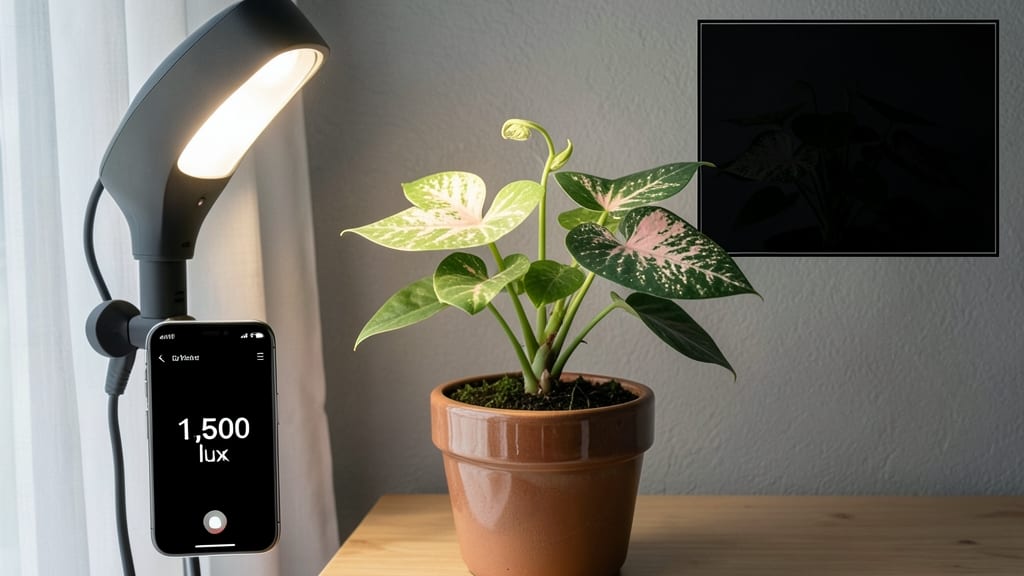
If you’re wondering how much light does an arrowhead plant need, pale, stretched leaves or crispy brown edges are your first clues—and you’re not alone. These plants thrive in bright indirect sunlight, but finding the perfect balance can feel like guesswork.
Too little light dulls their vibrant foliage, while too much turns leaves into crispy snacks for the sun.
The key is mimicking their natural understory habitat—think dappled shade under tall trees. Most homes nail it with an east-facing window, where morning light is gentle but abundant.
West windows? Only if you move your plant back 3 feet to avoid harsh afternoon rays. Even south-facing spots work if you filter light through sheer curtains.
But here’s the game-changer: your Arrowhead Plant’s leaf color gives clues. Variegated varieties like ‘White Butterfly’ need slightly more light to keep their patterns popping, while solid green types are more forgiving. Watch for yellowing leaves (too much sun) or leggy stems (not enough) to fine-tune your setup.
Ready to transform your plant’s health? I’ll walk you through troubleshooting tricks, seasonal adjustments, and even how to use reflective surfaces to boost light in dim corners. Let’s get that foliage flourishing!
 Best Window Placement
Arrowhead plant light requirements: low to bright indirect sunlight explained
The arrowhead plant (Syngonium podophyllum) thrives in low to bright indirect light, making it perfect for indoor spaces. Unlike sun-loving plants, it avoids harsh rays that cause leaf scorch or yellowing.
Understanding its light spectrum needs—low (20%), medium (40%), or bright indirect (60%)—helps you place it correctly. For example, a north-facing window provides gentle morning light, while a west-facing window risks afternoon intensity.
Many assume "bright indirect" means dim light, but it actually requires brightness without direct sun. Think of it like a sheer curtain filter—enough light to power growth, but softened to prevent damage.
This balance is why arrowheads excel in offices, bathrooms, or living rooms with filtered light. Even artificial grow lights (12-14 hours/day) can supplement if natural light is scarce.
Your arrowhead’s leaf shape changes with light: smaller, darker leaves in low light and larger, lighter ones in bright indirect conditions. This adaptation is its way of maximizing energy.
For instance, my 'Pink Arrow' variety developed deeper pink hues when moved closer to an east-facing window in spring. Pay attention to these clues—they’re your plant’s way of communicating!
🌱 Arrowhead Plant Light Spectrum Guide
| Light Level | Ideal Location | Leaf Response | Seasonal Adjustments |
|---|---|---|---|
| Low Light (20%) | North window, 8+ feet from bright windows | Small, dark green leaves; slow growth | Use grow lights 12 hrs/day in winter |
| Medium Light (40%) | East/west window, 3-5 feet away | Medium-sized, vibrant leaves; steady growth | Rotate pot monthly for even growth |
| Bright Indirect (60%) | South window with sheer curtain; 2-3 feet away | Large, arrow-shaped leaves; rapid growth | Reduce direct sun in summer; increase in winter |
💡 Pro Tip: Test your spot with a light meter app (aim for 500-1,000 foot-candles).
A common misconception is that bright indirect light means placing your arrowhead near a south-facing window without protection. While it can tolerate some direct morning sun, afternoon rays (1 PM–4 PM) are too intense.
I learned this the hard way when my plant’s leaves developed brown crispy edges—a sure sign of sunburn. To fix it, I moved it 5 feet back and added a light-colored curtain.
Window direction matters more than you think. An east-facing window offers gentle morning light, ideal for arrowheads, while a west-facing window delivers harsh afternoon heat. If you only have a west window, position your plant 6+ feet away or use a sheer white curtain to diffuse light.
For north-facing windows, which are cooler, supplement with a LED grow light during winter’s shorter days.
Seasonal changes also affect light needs. In summer, when sunlight is intense, your arrowhead may need shade cloth or a rotated position to avoid stress. Conversely, in winter, reduced daylight triggers slower growth.
During this time, I place my plant on a south-facing bookshelf to maximize indirect light exposure. Even a reflective surface like a mirror can bounce extra light onto leaves!
If you’re unsure whether your space meets the bright indirect light requirement, try this DIY test: Place a white piece of paper near your plant for an hour. If the paper stays bright white, the light is too harsh.
If it turns slightly yellow, it’s perfect. This simple trick saved my 'White Butterfly' variety from bleached leaves caused by too much light.
Remember, arrowheads are adaptable, but they communicate their needs through leaf color and growth patterns. A healthy arrowhead has vibrant green (or variegated) leaves with no yellowing or browning.
If yours looks leggy or pale, it’s begging for more light. If leaves curl or crisp, it’s getting too much. Listen to your plant—it’s easier than you think!
For variegated varieties like 'Pink Arrow' or 'White Butterfly', bright indirect light enhances their color patterns. These types need slightly more light than solid green varieties to maintain their striking hues.
If you notice green streaks replacing variegation, it’s a sign of low light stress. Move it closer to a window or add a g
Signs your arrowhead plant has too much or too little light (and how to fix it)
Your arrowhead plant (Syngonium podophyllum) sends clear signals when its light conditions are off. Leaf scorch or crispy edges mean too much direct sun, while yellowing leaves or leggy stems indicate insufficient light. These visual cues help you adjust placement before permanent damage occurs.
First, observe your plant’s growth patterns. Slow growth or small, pale leaves scream for more brightness, while dark brown patches or bleached foliage warn of sunburn. The key is finding that sweet spot of bright indirect light—like morning sun or filtered afternoon light.
DIY light testing is simple: Place your hand near the plant. If you can’t comfortably read a book, the light is too dim. For seasonal adjustments, move your plant closer to a window in winter when daylight weakens, then back slightly in summer to prevent overheating.
Too Much Light vs. Too Little Light for Arrowhead Plants
Too Much Light
- Leaf scorch (brown crispy edges)
- Bleached or white patches on leaves
- Slow growth despite good care
- Stunted new leaves
Too Little Light
- Yellowing leaves (especially lower ones)
- Leggy stems with sparse leaves
- Pale, small new growth
- Etiolation (stretched, weak stems)
For etiolated plants (those stretching toward light), try rotating the pot quarter-turns weekly to encourage even growth. If your arrowhead plant develops red or purple hues, it’s likely starving for light—boost brightness gradually to avoid shock.
In summer months, watch for afternoon sun burning leaves. Use east-facing windows or place your plant 3-4 feet from a west window with a sheer curtain. In winter, supplement with a 12-hour LED grow light to maintain its energy levels.
Remember, humidity matters too. Low light + dry air = stressed plants. Group your arrowhead with other houseplants or use a pebble tray to increase humidity and improve recovery from light-related stress. With these fixes, your plant will bounce back in 4-6 weeks!