
How To
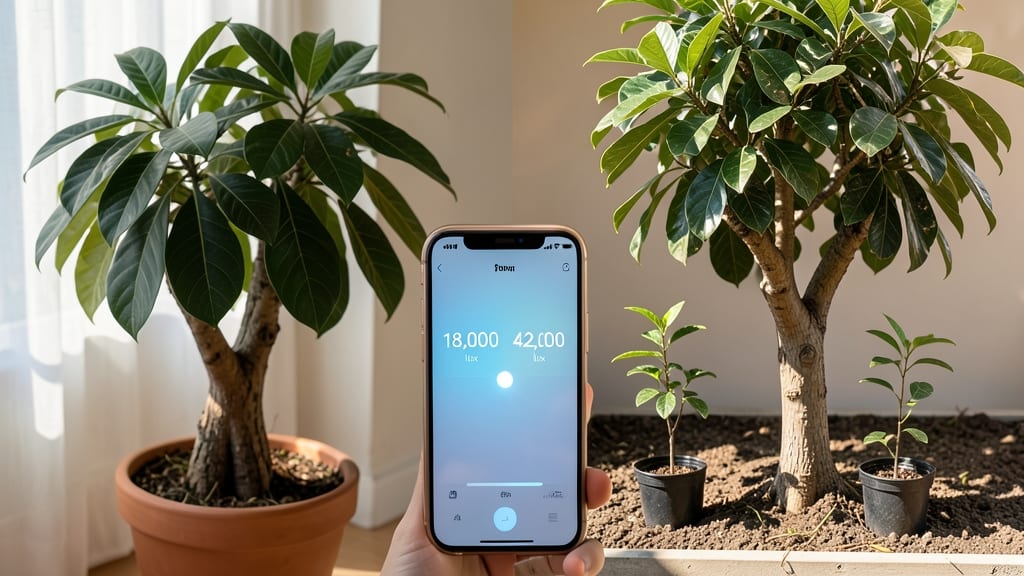
Optimal light requirements for avocado plants: bright indirect sunlight explained
Avocado plants (Persea americana) are tropical natives that crave bright, indirect sunlight—but most gardeners overcorrect by giving them harsh direct sun, which can scorch their delicate leaves. Unlike desert plants, avocados need filtered sunlight similar to their natural under-canopy habitat in Mexican rainforests.
This means 6-8 hours of light daily, but with protection from intense midday rays.
The key is replicating their native environment: dappled sunlight through tree branches. In containers, this means placing your plant near a south-facing window with sheer curtains to diffuse harsh rays. Outdoors, partial shade from larger plants or a 50% shade cloth during peak sun hours (10 AM–2 PM) works perfectly.
Understanding these nuances prevents the yellowing leaves or brown leaf tips that signal light stress.
Here’s how light needs change by growth stage: Seedlings (0–1 year) tolerate 4-6 hours of bright indirect light to prevent legginess, while mature plants (2+ years) need 6-8+ hours to support fruiting.
The fruiting stage demands even more light—8+ hours daily—to develop heavy, energy-rich avocados. Skipping this can lead to small, underdeveloped fruit or total crop failure.
Seasonal adjustments are critical. During winter months (December–February), avocados enter a resting phase and can handle 4-5 hours of light with reduced watering. But in summer (June–August), they’ll push for growth with full sun tolerance—just avoid the 12–3 PM sun, which burns leaves faster than you can water.
🌱 Avocado Light Requirements by Growth Stage
| Stage | Light Type | Daily Hours | Signs of Stress |
|---|---|---|---|
| Seedling (0–1 yr) | Bright indirect | 4–6 hours | Leggy stems, pale leaves |
| Mature (2–5 yrs) | Partial shade | 6–8 hours | Brown leaf tips, slow growth |
| Fruiting (5+ yrs) | Full sun (filtered) | 8+ hours | Small fruit, leaf scorch |
💡 Pro Tip: Rotate your plant weekly to ensure even light exposure and prevent lopsided growth.
Identifying insufficient light is easier than you think. Look for yellowing leaves (chlorosis) starting at the bottom, stretched stems reaching for light, and small, sparse foliage. These are classic signs your avocado is light-deprived.
On the flip side, excessive light causes crispy brown edges, bleached leaf spots, and drooping—even with adequate water. The fix? Move indoor plants 3 feet back from the window or use a sheer curtain.
Outdoor avocados in USDA Zones 9–11 can handle direct afternoon sun if acclimated gradually. Start by placing them in morning sun only for 2 weeks, then transition to 2–3 hours of afternoon sun over 4 weeks.
This hardening-off process prevents sunburn. For container growers, terracotta pots (which dry faster) help regulate temperature, reducing heat stress during peak sun.
Myth-busting time: Avocados do NOT thrive in full sun like succulents or citrus. While they tolerate full sun in ideal climates, bright indirect light is their sweet spot. Think of it like a coffee plant—they need shade to prevent leaf burn.
Even in greenhouses, use shade nets or reflective mulch to mimic their natural habitat. This small adjustment can double your fruit yield.
For indoor growers, a south-facing window is non-negotiable. West-facing windows offer too much intense afternoon light, while north-facing windows provide weak, cool light that stunts growth.
If your space lacks natural light, grow lights (LED or fluorescent) can supplement, but they must run 12–14 hours daily to mimic summer conditions. Place lights 6–12 inches above the plant and adjust as it grows.
🌿 Key Takeaway: Avocados need bright indirect sunlight—think dappled shade under a canopy. Seedlings: 4–6 hours; Mature plants: 6–8 hours; Fruiting trees: 8+ hours. Avoid harsh midday sun to prevent leaf scorch, and rotate plants weekly for even growth.
How to provide perfect light conditions: 5 proven solutions for indoor and outdoor growing
If you've struggled with avocado plant light needs, don't worry—there are simple ways to create the perfect environment. Avocados thrive with bright indirect sunlight, but many homes and gardens can't provide enough natural light. The key is combining smart placement with supplementary solutions when needed.
For indoor avocado plants, the best spot is near a south-facing window where they'll receive 4-6 hours of direct sunlight daily. If your windows don't get enough sun, don't despair—grow lights can bridge the gap.
A full-spectrum LED grow light placed 12-18 inches above the plant for 12-14 hours daily mimics natural sunlight perfectly.
- 1 South-facing window placement: Rotate pot weekly for even growth and maximize morning/afternoon sun exposure.
- 2 LED grow lights (12-14 hrs/day): Use full-spectrum bulbs 12-18" above plant for consistent growth when natural light is insufficient.
- 3 Greenhouse or sunroom setup: Extend growing season with controlled light exposure and temperature regulation for outdoor plants.
- 4 Reflective surfaces: Place white walls or mirrors behind plants to bounce 20-30% more light onto leaves without direct sun exposure.
- 5 Seasonal light adjustments: Move plants closer to windows in winter when daylight is shorter, or supplement with grow lights for 14-hour days.
Outdoor avocado plants need 6-8 hours of direct sunlight daily, but even here, seasonal changes matter. In summer months, provide afternoon shade to prevent sunburn on young leaves. A simple 50% shade cloth stretched over the plant during peak sun hours (12-4 PM) works wonders.
For container-grown avocados, mobility is your best friend. Place pots on casters or wheels so you can move them daily to follow the sun's path. This mimics natural growing conditions and prevents the plant from leaning toward one light source, which causes uneven growth and weak stems.
Remember, avocado plants are sensitive to sudden light changes. If moving your plant to a sunnier spot, do it gradually over 7-10 days to avoid shock. Start with 2 hours of extra sunlight daily, then increase by 2 hours each day until reaching the ideal 6-8 hours.