
Plants
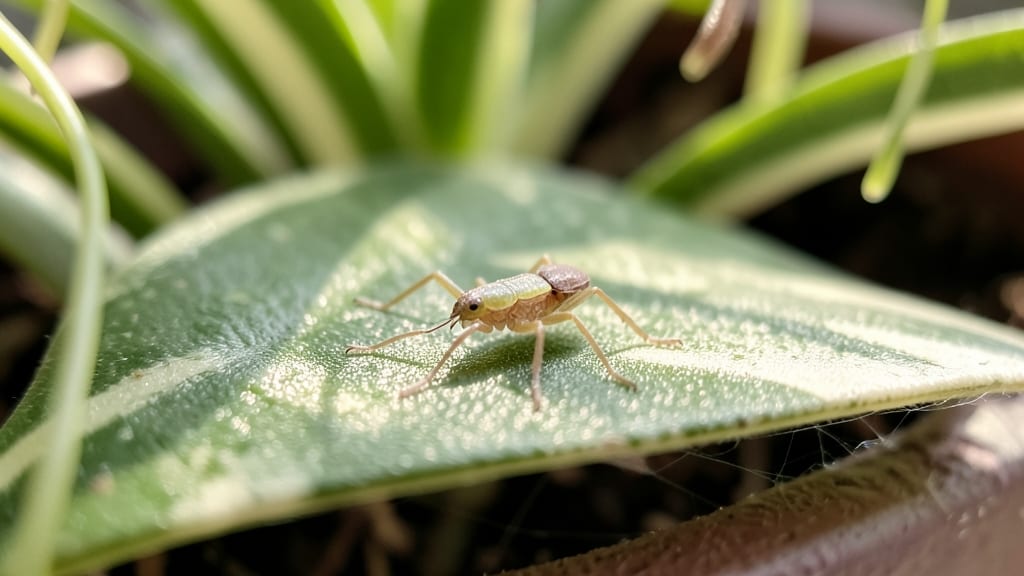
To get your spider plant 🌿 thriving, light exposure is the game-changer—too little and you’ll end up with sad, stretched-out leaves, while too much can fry those gorgeous variegated stripes.
The right balance isn’t just about placing it anywhere near a window; it’s about understanding how much brightness your plant can handle without stress.
Most people assume spider plants are low-maintenance, but the truth is, they’re surprisingly picky about their lighting. Too dim, and their growth slows to a crawl; too harsh, and those delicate leaves start browning at the tips.
The secret lies in bright, indirect light—think of it as a goldilocks zone where your plant isn’t too hot or too cold.
If you’ve ever wondered why your spider plant’s leaves are losing their vibrancy or why new growth looks weak, the answer is likely hiding in its light conditions.
I’ll walk you through exactly how to spot the signs of over- or under-exposure and how to adjust your care routine to keep those leaves lush and happy year-round.
Whether you’re dealing with a north-facing window that barely lets in sunlight or a south-facing spot that feels like a mini greenhouse, I’ve got the practical tips you need to create the perfect lighting setup. Let’s make sure your spider plant gets just the right amount of glow to flourish.
 Best Window Placement
The ideal light range for spider plants: bright indirect sunlight explained
Spider plants (Chlorophytum comosum) thrive in bright indirect sunlight, but understanding the exact light spectrum is key to avoiding common issues like brown leaf tips or stretched, weak growth. Too little light leads to leggy stems, while too much direct sun causes sunburn.
The goal is to mimic their natural understory habitat—think of a dappled forest floor where light filters through leaves.
Most gardeners get this wrong by placing spider plants in direct southern exposure, which mimics harsh afternoon sun. Instead, aim for east-facing windows where morning light is gentle, or north-facing windows that provide consistent, soft illumination.
Even west-facing windows work if you use a sheer curtain to diffuse the intensity.
Here’s the light intensity scale spider plants prefer, ranked from lowest to highest:
| Light Level | Description | Ideal for Spider Plant? | Window Placement |
|---|---|---|---|
| Low Light (10-20%) | Dim corners, north-facing windows with obstructions | ❌ Tolerates but struggles | Avoid long-term |
| Medium Light (20-40%) | Bright indirect light, 2-3 feet from east/north windows | ✅ Perfect for growth | East or north window |
| Bright Indirect (40-60%) | Filtered sun, 3-5 feet from west windows with sheer curtain | ✅ Ideal with adjustments | West window + curtain |
| Direct Sun (60%+) | Harsh afternoon sun, south-facing windows | ❌ Risk of sunburn | Avoid direct exposure |
Seasonal adjustments are crucial. In winter, when natural light dims, move your spider plant closer to the window (within 2 feet) to compensate.
Conversely, in summer, if you notice yellowing leaves, it’s a sign of too much direct light—rotate the pot quarter-turn weekly to ensure even exposure.
Pro tip: Use a light meter app (like Light Meter for iOS/Android) to measure foot-candles in your space. Spider plants thrive in 250-500 foot-candles—any lower, and growth slows dramatically. If your reading is below 200, consider supplemental grow lights (more on this in Section 3).
Window type matters! North-facing windows provide the most consistent light, while south-facing windows deliver intense afternoon rays. For west-facing windows, use a white sheer curtain to diffuse light without blocking it entirely. East-facing windows are ideal because they offer gentle morning sun without the heat buildup of afternoon exposure.
If you’re unsure about your space, start with a trial period: Place your spider plant in a medium-light spot (2-3 feet from an east window) for 2 weeks.
Monitor the leaves—if they stay upright with vibrant stripes, you’ve nailed the sweet spot. If they lean or lose color, adjust gradually.
Remember, spider plants are forgiving, but they’ll always tell you when light is off. Watch for stretched stems (not enough light) or crispy edges (too much). With the right balance, you’ll reward yourself with lush, arching foliage and those adorable baby spiderettes!
The ideal light range for spider plants: bright indirect sunlight explained
Spider plants (Chlorophytum comosum) thrive in bright indirect sunlight, but many gardeners struggle to find the perfect balance. Too little light leads to leggy growth, while too much causes brown leaf tips.
The key is mimicking their natural habitat under dappled forest light—think of them as sunbathers with built-in sunscreen!
For optimal health, place your spider plant 2-3 feet from an east-facing window where it gets 4-6 hours of filtered light daily. South-facing windows work too, but use sheer curtains to diffuse harsh afternoon rays. North-facing windows are safer but may require supplemental grow lights during winter’s shorter days.
| Light Condition | Window Type | Distance from Window | Growth Effect |
|---|---|---|---|
| Bright Indirect | East/West | 2-3 feet | Ideal: Vibrant green leaves, compact growth |
| Medium Indirect | North | 1-2 feet | Tolerable: Slower growth, paler leaves |
| Low Light | Corner, no window | N/A | Stress: Leggy stems, sparse foliage |
| Direct Sun | South (no curtain) | Close | Burn Risk: Brown leaf tips, crispy edges |
Seasonal adjustments are crucial. During spring and summer, your spider plant can handle up to 6 hours of morning sun, but always shield it from hot afternoon rays. In fall and winter, reduce light exposure slightly—3-4 hours of indirect light prevents stress during shorter days.
Pro tip: Rotate your plant quarter-turn weekly to ensure even light exposure. This prevents one-sided growth and keeps those signature striped leaves looking their best. A simple habit that makes a huge difference!
For gardeners with south-facing windows, place your spider plant at least 5 feet away to avoid leaf scorch. If you notice yellowing edges, it’s a clear sign of too much direct sun. Move it back immediately—your plant will thank you with lush, arching foliage!
Remember: Bright indirect light is the golden rule, but flexibility is key. With these adjustments, your spider plant will reward you with year-round vitality and those adorable baby spiderettes for propagation.