
How To
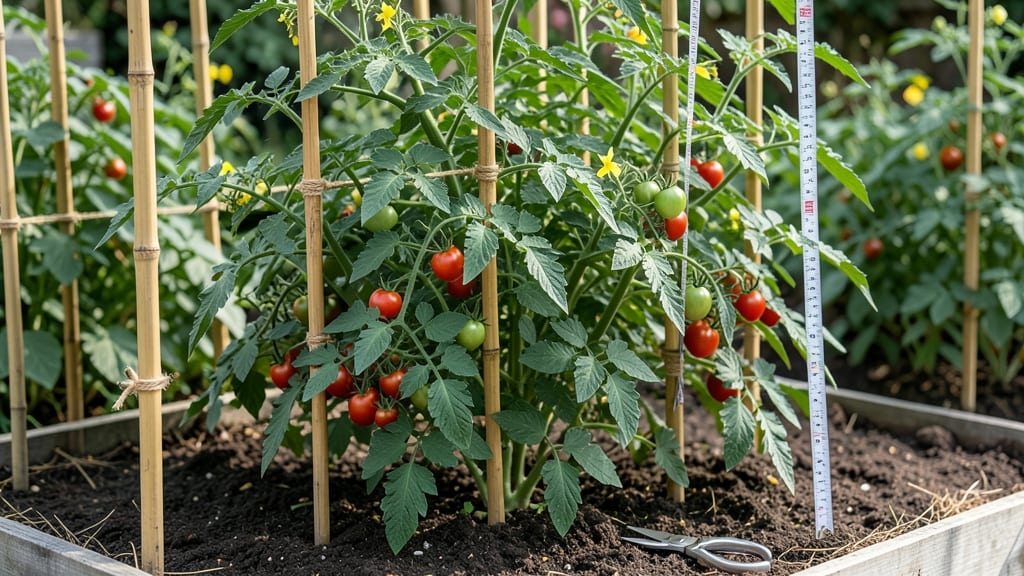
If you're dreaming of a backyard tomato harvest but wondering how tall a tomato plant will grow and whether your 🍅 plants will sprawl like vines or stay neatly contained, the answer depends on one key factor: the variety you choose—and how you support them.
Some tomato plants grow just 3 feet tall, perfect for containers or small gardens, while others can reach 6 feet or more, climbing like jungle gyms if left unchecked.
The difference comes down to whether you're growing determinate (bush-type) or indeterminate (vining) varieties—and whether you're using stakes, cages, or letting them sprawl.
I’ve grown tomatoes in everything from window boxes to full sun gardens, and the right approach can mean the difference between a manageable plant and one that takes over your patio.
Let’s break down how tall your tomatoes will grow—and how to keep them at your ideal height, no matter your space.
Whether you’re a beginner with limited room or an experienced gardener planning a vertical garden, you’ll learn exactly what to expect from your plants and how to guide their growth. Ready to turn those 6-foot vines into a well-behaved harvest? Let’s get started.


Tomato plant height by variety: determinate vs indeterminate growth patterns
If you're planning your garden layout, understanding how tall your tomato plants will grow is essential. The first thing to know is that tomato plants fall into two main categories: determinate and indeterminate, each with distinct growth habits and height ranges.
Determinate varieties grow to a specific height and produce fruit all at once, while indeterminate types keep growing and fruiting until frost. Let's break down the key differences and popular varieties for each type.
Determinate tomatoes typically reach 3 to 5 feet tall and are perfect for container gardening or small spaces. They produce fruit in clusters near the top of the plant, making them ideal for canning or preserving.
Indeterminate varieties, on the other hand, can grow 6 to 10 feet tall or even higher with proper support, producing fruit continuously throughout the growing season. This makes them great for fresh eating and continuous harvests.
Here’s a quick comparison to help you visualize the differences between these two growth patterns and their mature heights:
| Variety Type | Height Range | Growth Habit | Popular Cultivars |
|---|---|---|---|
| Determinate | 3–5 ft | Bushy, compact | Roma, Celebrity, Bush Early Girl |
| Indeterminate | 6–10+ ft | Vining, continuous growth | Sungold, Cherokee Purple, Brandywine |
For gardeners with limited space, determinate varieties are often the best choice because they stay compact and don’t require extensive support. They’re also great for canning since they produce a large harvest all at once.
On the other hand, indeterminate varieties are ideal if you want a continuous supply of tomatoes throughout the summer. These plants need strong support, like trellises or cages, to handle their weight and prevent them from toppling over.
If you're growing tomatoes in containers, opt for dwarf or semi-dwarf varieties, which typically stay between 1 to 4 feet tall. Varieties like 'Tiny Tim' or 'Patio' are specifically bred for containers and can thrive in small spaces.
Just make sure your container is at least 12 inches deep and wide enough to accommodate the plant’s root system as it grows.
Another factor to consider is your climate. In cooler regions, indeterminate varieties may not reach their full height due to shorter growing seasons. However, they can still produce fruit if given enough warmth and sunlight.
In warmer climates, indeterminate tomatoes can grow much taller and may even need additional support to keep them upright and healthy.
When selecting your tomato varieties, think about your garden layout and how much space you can dedicate to each plant. If you're growing multiple plants, consider mixing determinate and indeterminate varieties to create a layered effect.
For example, place taller indeterminate varieties at the back of your garden bed and shorter determinate varieties in the front. This not only maximizes space but also creates a visually appealing garden design.
Finally, remember that the height of your tomato plants can be influenced by how you care for them. Proper pruning, adequate watering, and regular feeding can all help your plants reach their full potential.
Whether you choose determinate or indeterminate varieties, understanding their growth patterns will help you plan for a successful and bountiful harvest.
How to control tomato plant height: pruning, Trellising, and support techniques
Once you’ve chosen your tomato varieties, managing their height becomes key to maximizing your harvest—and preventing your plants from becoming unruly giants. The good news? With the right techniques, you can guide even the tallest indeterminate varieties to grow neatly within your space.
I’ve experimented with everything from simple cages to DIY trellises, and here’s what works best for controlling height while keeping your plants healthy and productive.
Pruning is one of the most effective ways to manage tomato plant height, especially for indeterminate varieties. By removing excess foliage and suckers (the small shoots that grow between the main stem and branches), you encourage the plant to focus its energy on fruit production rather than excessive growth.
For determinate varieties, pruning is less critical, but light pruning can still improve airflow and reduce disease risk.
Here’s a step-by-step guide to controlling your tomato plant’s height using proven techniques:
-
🪴 Pruning for Height Control
Remove suckers (side shoots) regularly to limit vertical growth. For indeterminate varieties, prune suckers larger than a pencil to redirect energy to fruit production.
-
✂️ Topping Indeterminate Varieties
Pinch off the top growth of indeterminate plants once they reach your desired height (e.g., 5–6 feet) to stop further vertical growth while maintaining fruit production.
-
🪣 Trellising for Vertical Growth
Use sturdy trellises, stakes, or cages (6–8 feet tall) to support indeterminate varieties. This not only controls height but also improves airflow, reducing disease risk.
-
🏺 Container Gardening Hacks
For dwarf or semi-dwarf varieties, use containers with built-in supports like tomato towers or fabric pots with integrated stakes to limit root spread and height.
-
💧 Watering and Fertilizing Balance
Over-fertilizing with nitrogen can encourage excessive foliage growth. Use a balanced fertilizer (10-10-10) and water deeply but consistently to promote healthy, controlled growth.
If you’re growing tomatoes in a small space, like a balcony or patio, consider using tomato cages or fabric grow bags with built-in supports. These are perfect for determinate varieties and can also work for shorter indeterminate types like 'Sungold' if you prune regularly.
For larger gardens, a DIY trellis made from bamboo stakes and twine is a budget-friendly way to support tall varieties while keeping them off the ground.
One common mistake I’ve seen is letting indeterminate plants sprawl without support, which can lead to broken stems and poor fruit development. Always install supports at planting time—waiting until the plant is already tall makes it much harder to add support without damaging the roots.
For extra stability, bury stakes at least 18 inches deep or use heavy-duty cages that can handle the weight of a fully loaded plant.
For container gardeners, remember that root-bound plants grow slower but may also produce less fruit. To encourage healthy growth, repot dwarf varieties into slightly larger containers (1–2 gallons) if you notice roots circling the bottom.
And if you’re growing in pots, always place them where they’ll get at least 6–8 hours of sunlight daily—this is non-negotiable for controlling height and ensuring a good harvest.
Finally, don’t forget that pruning isn’t just about height control—it’s also about improving your plant’s overall health. By removing diseased or yellowing leaves, you reduce the risk of fungal infections like blight, which can devastate your crop.
Just be sure to sterilize your pruners with rubbing alcohol between cuts to prevent spreading disease.