
How To
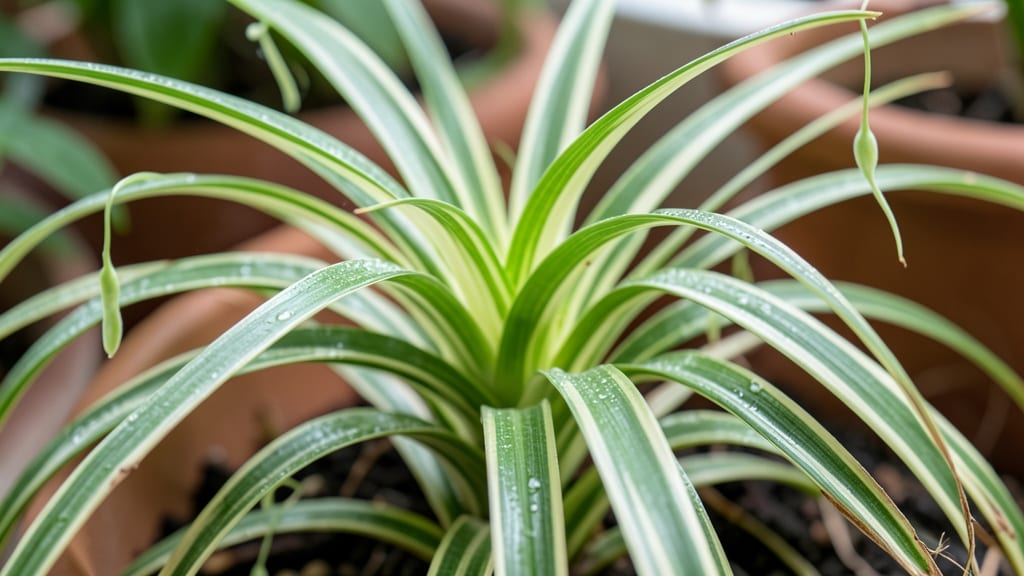
If your 🕷️ spider plant how much light it needs is the key to keeping those signature striped leaves vibrant and preventing leggy growth, the answer might be simpler than you think—it’s all about finding the right balance.
Too little and those vibrant stripes fade, too much and you’ll see crispy brown edges. The good news? Nailing the perfect light conditions is easier than you’d expect, and I’ll show you exactly how to do it.
Most people assume spider plants thrive in any light, but the truth is they’re picky about brightness. They love bright, indirect light—think east or west-facing windows—where they get enough sunshine without scorching.
Too dim? Your plant will stretch toward the light, and those pretty stripes might dull. Too harsh? Watch for brown tips that scream "I’m struggling!"
Here’s the game-changer: spider plants actually tolerate low-light conditions better than many houseplants, but they’ll reward you with lush, striped foliage when given the right balance.
Whether you’re dealing with a north-facing room or a bright kitchen, I’ll walk you through how to adjust placement and even use artificial lighting to keep your plant happy year-round.
Ready to transform your spider plant from lackluster to showstopping? Let’s dive into the exact light levels your plant craves—and how to spot the signs when it’s not getting enough (or too much). Your striped leaves will thank you!

Ideal light levels for spider plant striped leaves (with exact brightness guidelines)
Your spider plant (Chlorophytum comosum) thrives in bright indirect light, but the exact brightness matters more than you think. Too little light = dull, stretched leaves.
Too much = crispy brown tips. The sweet spot? 1,000–2,500 lux of filtered sunlight daily. This range keeps those signature striped leaves vibrant and encourages healthy spiderette production.
Think of your spider plant’s light needs like a goldilocks scenario: not too dim, not too harsh. Low light (under 1,000 lux) slows growth and fades variegation, while direct sun (over 3,000 lux) scorches delicate foliage.
Even a south-facing window without a sheer curtain can be too intense for this tropical beauty.
Here’s how light intensity breaks down for your spider plant’s health:
| Light Level | Lux Range | Leaf Effects | Best For |
|---|---|---|---|
| Low Light | Under 1,000 lux | Pale, stretched leaves; lost variegation | North-facing rooms, deep interiors |
| Ideal Bright Indirect | 1,000–2,500 lux | Vibrant stripes; compact growth; frequent spiderettes | East/west windows, 3–5 ft away |
| Medium Light | 2,500–3,000 lux | Healthy but may develop slight brown tips | Bright rooms with filtered sun |
| Direct Sun | Over 3,000 lux | Brown patches, crispy edges; stunted growth | South windows without curtains |
Pro tip: Use a light meter app (like Light Meter for iOS) to check your space. If readings dip below 1,000 lux, supplement with a grow light 12 inches away for 6–8 hours daily.
For variegated varieties (like ‘Variegatum’), aim for the higher end of the ideal range—2,000–2,500 lux—to maintain those stunning stripes.
Notice how your spider plant’s growth rate changes with light? In bright indirect light, expect new leaves every 4–6 weeks and spiderettes forming within 2–3 months.
In low light, growth slows to a crawl, and those baby plants? They’ll take 6+ months to appear—or never show up at all.
Seasonal shifts matter too. During winter months, natural light weakens, so move your plant closer to the window (within 2–3 feet) to compensate. Conversely, in summer’s harsh glare, use a sheer curtain to diffuse intensity while keeping those 2,500 lux levels intact.
Watch for these light-related clues your spider plant sends:
- 🟢 Healthy: Bright green/yellow stripes; upright leaves; frequent spiderettes
- 🟡 Warning: Pale leaves or brown tips (adjust light or water)
- 🔴 Crisis: Leggy stems or crispy edges (move immediately)
Remember, spider plants are forgiving but not resilient. If you’ve had brown tips before, it’s often a light + water combo issue. Overwatering in low light = root rot; underwatering in bright light = stress. Balance both for plump, happy leaves.
For urban dwellers with limited natural light, a LED grow bulb (6,500K color temp) placed 12–18 inches above your plant mimics bright indirect sunlight perfectly. Run it for 10–12 hours daily to keep your spider plant thriving year-round.
Your spider plant’s striped leaves are its superpower—and light is the secret to unlocking their full potential. Get those lux levels right, and you’ll enjoy lush foliage and endless spiderettes to share with friends. 🕷️
Ideal light levels for spider plant striped leaves (with exact brightness guidelines)
Your spider plant’s striped leaves thrive when exposed to bright indirect light, which is the sweet spot between too dim and too harsh. Think of it as morning sunlight filtered through a sheer curtain—enough to fuel growth but not enough to cause leaf burn.
The ideal range is 1,000–2,500 lux, a measurement of light intensity that mimics natural dappled shade in a forest understory.
In this zone, your plant will produce vibrant variegated leaves with crisp white stripes, while also maintaining a compact, bushy shape. Too little light (below 1,000 lux) triggers leggy growth and faded stripes, while too much direct sun (above 3,000 lux) causes brown leaf tips and crispy edges.
The key is consistency—your spider plant adapts poorly to fluctuating light conditions.
Here’s how the light spectrum breaks down for your plant’s health:
| Light Level | Lux Range | Leaf Effects | Best For |
|---|---|---|---|
| Low Light | Below 1,000 lux | Pale, stretched leaves; dull stripes | North-facing windows or dim rooms |
| Ideal Bright Indirect | 1,000–2,500 lux | Vibrant stripes, compact growth | East/west windows, 3–5 ft away |
| Too Much Direct Sun | Above 3,000 lux | Brown tips, crispy edges | South-facing windows without filter |
To visualize this, imagine your spider plant in a kitchen with an east-facing window—it gets gentle morning sun that fades by midday, perfect for maintaining those iconic striped leaves.
If you notice your plant leaning toward the light, it’s a clear sign it needs to be moved closer to the window or rotated weekly to encourage even growth.
Artificial lighting can also work in a pinch, especially in low-light offices. Use a grow light with a 6,500K color temperature (cool white) and place it 6–12 inches above the plant for 12–14 hours daily. This mimics natural daylight and prevents the leggy growth that plagues underlit spider plants.
Pro tip: If your plant’s stripes are fading, it’s likely not getting enough light. Move it closer to a window or supplement with a grow bulb. The goal is to keep those leaves bright and bold—just like they were when you first brought it home!