
Companion Plants
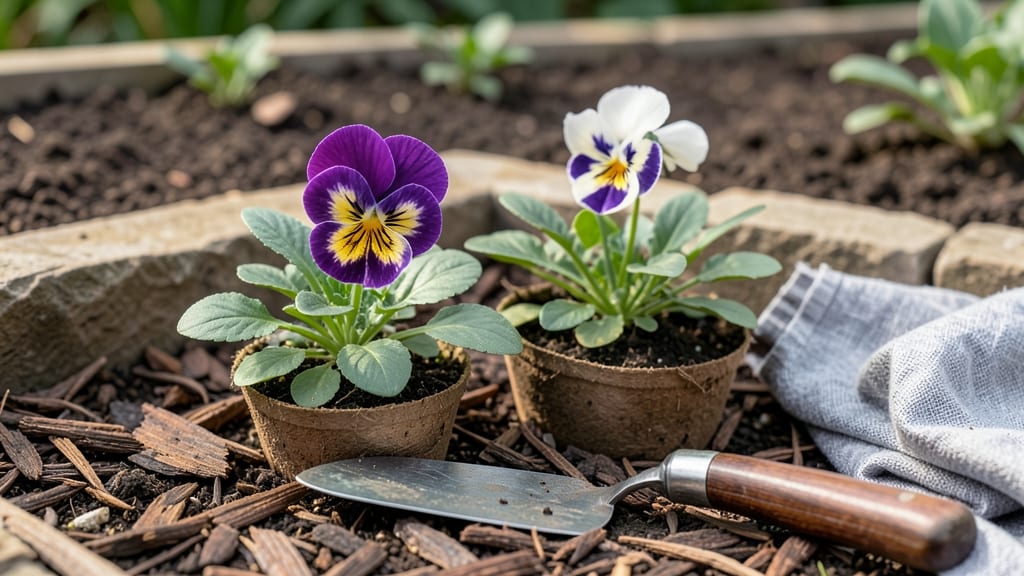
Planting pansies in the Northeast at the wrong time means either frost-killed blooms or sad, leggy plants that never thrive. These cool-weather 🌸 stars need precise timing to survive your region's unpredictable swings from snow to heatwaves.
Most gardeners in zones 5-7 get it wrong by planting too early in spring or too late in fall. The key is working with your last frost date—typically mid-April—but also accounting for microclimates that can shift that window by weeks.
Let me show you exactly when to plant for vibrant blooms that last from fall through spring.
Whether you're aiming for fall color or spring cheer, the right planting window makes all the difference. We'll cover zone-specific deadlines, soil prep secrets, and how to protect your pansies from late frosts that sneak in even after the calendar says spring.
Ready to grow pansies that outlast the competition? Here's your step-by-step guide to timing it perfectly—no more guessing, just gorgeous blooms all season long.
Northeast pansy planting deadlines by USDA hardiness Zone (with microclimate adjustments)
Timing your pansy planting in the Northeast means balancing USDA hardiness zones, local frost dates, and microclimates like urban heat islands or coastal winds. The Northeast spans zones 3-8, so your exact window depends on where you live.
For spring blooms, aim for 4-6 weeks before your last frost, while fall planting should happen 6-8 weeks before your first frost.
Pansies are cool-season champions, thriving when temperatures hover between 40°F and 75°F. In Zone 3 (e.g., northern New York, Maine), plant late May to early June for summer blooms or late August for fall color.
Meanwhile, Zone 7-8 gardeners (e.g., Virginia, DC) can plant as early as March for spring or September for fall.
Microclimates shift these deadlines. Urban areas like NYC or Boston may experience earlier springs due to heat retention, while coastal regions (e.g., Cape Cod) often have cooler, delayed springs. High-altitude gardens (e.g., Catskills) can plant 2-3 weeks later than valley gardens at the same latitude.
🌱
| USDA Zone | Spring Planting Window | Fall Planting Window | Microclimate Adjustments |
|---|---|---|---|
| 3 (e.g., northern NY, Maine) | Late May–early June | Late August–early September | Plant 1–2 weeks later in high-altitude areas. |
| 4 (e.g., upstate NY, Vermont) | Early May–mid-May | Early–mid September | Urban areas: plant 1 week earlier. |
| 5 (e.g., Philadelphia, Pittsburgh) | Late March–early April | Mid–late September | Coastal: delay spring planting by 10–14 days. |
| 6 (e.g., Baltimore, DC) | Early March–mid-April | Late August–early October | Heat islands: plant spring pansies in partial shade. |
| 7–8 (e.g., Richmond, Virginia) | February–early March | September–early October | Coastal: extend fall planting to November. |
Check your local frost dates using the National Weather Service or your state agricultural extension. For example, Boston’s last frost averages April 15, so plant pansies March 15–April 1 for spring color. In Pittsburgh (Zone 6), aim for March 1–March 15.
For fall planting, prioritize 6-8 weeks before your first frost. In Zone 5 (Philadelphia), that’s mid-September, while Zone 7 (Richmond) can plant until early October. Late fall plantings may bloom until Christmas with proper mulching.
Use soil thermometers to confirm 50°F soil temps before planting. Cool soil speeds up root establishment, helping pansies outcompete weeds and bloom faster. In Zone 4, wait until soil warms to 50°F—usually late May—before transplanting.
🌿
Pro tip: Start pansies indoors 6–8 weeks before your outdoor planting window if you’re in Zones 3–4. Use seed trays with well-draining mix and keep them in a cool (60°F) location under grow lights for 12–14 hours/day. Harden off seedlings 1 week before transplanting.
If you miss the ideal window, don’t panic! Pansies tolerate light frosts (down to 20°F for hardy varieties like ‘Matrix’ or ‘Cool Wave’). In Zones 5–7, you can plant as late as October for winter color, though blooms may slow in sub-freezing temps.
Northeast pansy planting deadlines by USDA hardiness Zone (with microclimate adjustments)
Timing pansy plantings to your USDA hardiness zone and local microclimate ensures vibrant blooms from fall through spring. In the Northeast, zones 3 through 8 experience wildly different frost patterns—even within the same city.
For example, New York City (Zone 7) has a last frost around April 15, while Burlington, VT (Zone 4), waits until May 10. Adjust your schedule accordingly.
Pansies thrive in cool weather, so the key is planting 4-6 weeks before the average last frost for spring blooms or 6-8 weeks before the first frost for fall color.
In Zone 5 (e.g., Pittsburgh, PA), that means late March to early April for spring plantings and late August to early September for fall. Coastal areas like Portland, ME (Zone 5), may need to plant slightly earlier due to milder winters.
| Zone | Spring Planting Window | Fall Planting Window | Microclimate Adjustments |
|---|---|---|---|
| 3 (e.g., Duluth, MN) | Late April - Early May | Late August - Early September | High-altitude areas: plant 2 weeks later |
| 4 (e.g., Burlington, VT) | Early to Mid-April | Late August - Early September | Urban heat islands: plant 1 week earlier |
| 5 (e.g., Pittsburgh, PA) | Late March - Early April | Mid-August - Early September | Coastal areas: plant 1 week earlier |
| 6 (e.g., Philadelphia, PA) | Mid-March - Late March | Late August - Mid-September | Wind-exposed gardens: use windbreaks |
| 7 (e.g., NYC, DC) | Early to Mid-March | Mid-August - Late September | Urban areas: plant 1 week earlier |
| 8 (e.g., Richmond, VA) | Late February - Early March | Late August - Early October | Coastal areas: extend fall planting to October |
For urban gardens, heat from pavement and buildings can create microclimates that delay frost. Plant pansies 1 week earlier in these areas. Conversely, high-altitude gardens (e.g., Western PA or Upstate NY) may need a 2-week delay due to colder temperatures.
Always check your local USDA frost map or use a frost calendar from your state's agricultural extension service for precise dates.
If you’re unsure about your exact frost dates, use pansies as indicator plants. They’ll tell you when it’s safe to plant other cool-season crops. For example, if your pansies survive unprotected in late March, you’re likely in the clear for other frost-sensitive plants like lettuce or spinach.
Just remember: pansies can handle light frosts (down to 20°F), but prolonged freezing will damage them.
Pro tip: Mulch heavily with 2-3 inches of straw after planting to protect roots from temperature swings. This is especially critical in Zone 3-4, where winter temperatures can plunge below 0°F. Mulch acts like a blanket, keeping soil temps stable and reducing freeze-thaw stress on young roots.
🌸