
Companion Plants
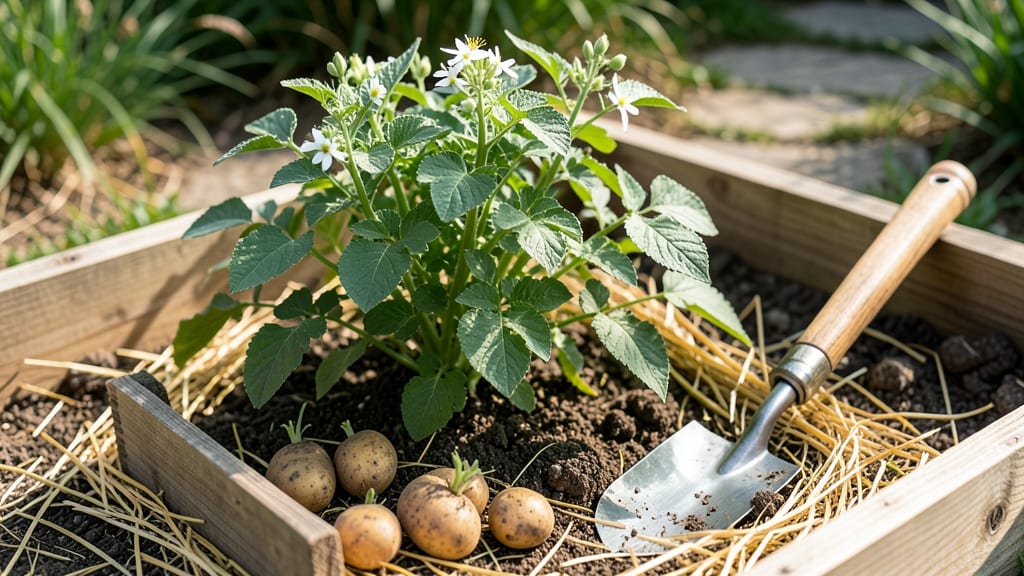
If you're dreaming of a bountiful potato harvest in Georgia, the right timing is everything—plant too early, and frost will ruin your potatoes; wait too long, and the heat will stifle your crop.
The perfect window isn’t just about the calendar but understanding Georgia’s unique climate, from the chilly springs of the north to the balmy starts of the south.
Most gardeners in Georgia’s USDA zones 7a–8b can start planting as early as February in the south, but those in the cooler northern regions should wait until mid-March when soil temperatures hit that sweet spot of 45°F+.
The trick? Choosing the right variety—early maturers like Yukon Gold for quick harvests or heat-tolerant types like Red Pontiac for summer planting.
But here’s the catch: Georgia’s unpredictable spring weather can throw off even the best-laid plans. A late frost or sudden heatwave can turn your carefully planned schedule into a gamble.
That’s why I’ll walk you through exact planting dates, soil prep tips, and how to adjust for your specific corner of the state—so you’re not left wondering if your potatoes will ever sprout.
Skip the guesswork and learn the proven strategies that work for Georgia gardeners. Whether you’re a first-timer or a seasoned grower, this guide will help you plant with confidence and avoid the most common mistakes that waste time and effort.
Georgia potato planting calendar: exact dates by variety for frost-free success
Georgia’s USDA zones 7a–8b offer two prime potato planting windows: early spring (March–April) and late summer/fall (August–September). The key? Planting when soil reaches 45°F+ and frost risk is minimal.
In North Georgia, aim for mid-March to early April; in South Georgia, you can start as early as late February for heat-tolerant varieties.
Your potato variety dictates exact timing. Early varieties like Yukon Gold thrive with 60–75 days to maturity, while late varieties like Purple Viking need 90–110 days. Plant early varieties first to harvest before summer heat stresses plants.
For fall planting, choose short-season varieties to harvest before first frost (mid-October in North Georgia, November in South Georgia).
Here’s your Georgia-specific planting calendar by variety, accounting for frost dates and soil warmth:
| Variety | Planting Window | Days to Maturity | Notes for Georgia |
|---|---|---|---|
| Yukon Gold | Mid-March to early April | 75–90 days | Best for spring planting; harvest before July heat. |
| Red Pontiac | Late March to April | 60–75 days | Ideal for early harvests; resistant to late blight. |
| Purple Viking | Mid-April to early May | 90–110 days | Plant for fall harvest; needs cooler temps. |
| Fingerling (e.g., French Finger) | Late March or August | 60–80 days | Great for fall planting; harvest before frost. |
| Kennebec | April to early May | 80–100 days | Tolerates heat and humidity; store well. |
For fall planting, start seeds indoors in July and transplant in August to harvest before frost. Use black plastic mulch to warm soil faster in early spring or cool it in summer for fall crops.
In South Georgia, you can even plant late varieties in September for a winter harvest if protected from frost.
Soil temperature is your best guide. Use a soil thermometer to confirm 45°F+—cold soil delays sprouting. In North Georgia’s cooler microclimates, wait until mid-April even if frost risk drops. In South Georgia’s heat, plant early varieties by late February to avoid summer stress.
Pro tip: Chit your seed potatoes (expose to light for 2–3 weeks before planting) to jumpstart growth. This is especially critical for slow-starting varieties like Purple Viking in Georgia’s humid climate. Store seed potatoes in a cool, dark place until planting to prevent sprouting too early.
If you’re in Zone 8b (South Georgia), you can even try a year-round potato patch by planting every 2–3 weeks from March to September. This staggered approach ensures a continuous harvest and reduces disease risk from overcrowding.
Remember: Late blight (a fungal disease) thrives in Georgia’s humidity. Space plants 12–18 inches apart and avoid overhead watering to prevent outbreaks. For fall crops, prioritize disease-resistant varieties like Red LaSoda or Adirondack Blue.
🌱
How to adjust planting dates for Georgia’s unpredictable spring weather
Georgia’s spring weather can be as unpredictable as a tornado warning—one day it’s 60°F and sunny, the next it’s 32°F with frost. If you plant potatoes too early, your seed pieces will rot in cold soil. Too late, and you’ll miss the optimal growing window before summer heat sets in. The key is flexibility: knowing how to shift your schedule based on real-time conditions. Start by monitoring your local frost dates. In North Georgia (USDA Zone 7a), the last frost typically hits around April 15, while South Georgia (Zone 8a) usually sees its last frost by March 15. But don’t rely on averages—check the National Weather Service or a local garden club for updates. If frost is forecasted within 3–5 days of your planned planting, delay by 2–3 weeks.🚨 Frost Warning
Never plant potatoes in soil colder than 45°F. Use a soil thermometer to confirm—cold soil slows germination and invites rot. If temps drop below 50°F, cover newly planted rows with black plastic mulch or straw to warm the soil faster.
For early varieties like Red LaSoda (60–70 days to harvest), you can push the envelope by planting 2–3 weeks before your average last frost date—but only if you’re prepared to protect them. Use frost blankets or low tunnels to shield seedlings from late frosts. If you’re planting late varieties like Yukon Gold (90–110 days), wait until mid-April in North Georgia or early March in South Georgia to avoid stunted growth from heat stress.
Rainy springs can also derail your plans. If your soil stays waterlogged for more than 3 days, potatoes won’t sprout properly. Amend heavy clay soil with compost or sand before planting, and avoid working the soil when it’s soggy. If downpours delay planting, switch to container growing—potatoes thrive in 5-gallon buckets filled with well-draining mix, giving you control over moisture.
Pro tip: Plant a successive crop every 2 weeks to stagger harvests. This way, if your first planting gets hit by frost or rain, your second or third batch will still yield harvest-ready potatoes. For example:
- First planting: Early April (North GA) / Late March (South GA)
- Second planting: Mid-April / Early April
- Third planting: Late April / Mid-April
Finally, keep an eye on heat waves. If temperatures climb above 85°F before your potatoes are fully established, they’ll stop growing and may develop scab disease. Use shade cloth (30–50% coverage) during peak heat, and water deeply in the early morning to cool the soil.
Adjusting your planting dates isn’t just about avoiding frost—it’s about working with Georgia’s quirks. By staying flexible and using protective tools, you’ll turn unpredictable weather into your advantage, ensuring a reliable harvest no matter what Mother Nature throws your way. 🌱