
Companion Plants
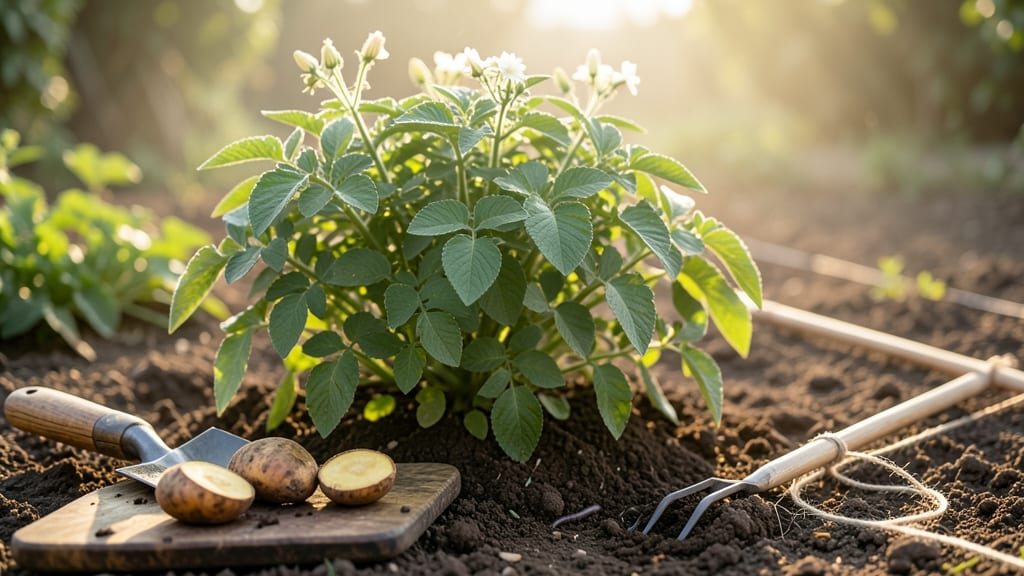
Planting your 🥔 potatoes in Zone 7 at the wrong time can turn your hard work into a sad pile of shrunken tubers—unless you know the secret to timing it just right.
The difference between a harvest that fills your kitchen and one that barely covers your plate often comes down to when you put those seed potatoes in the ground.
Most gardeners in Zone 7 make one of two mistakes: planting too early and risking frost damage, or waiting too long and missing the ideal growing window.
But here’s the good news—with a simple soil temperature checklist, you can pinpoint the fastest way to get those sprouts popping and your harvest on track.
In this guide, I’ll walk you through the exact windows for early vs. late varieties, how to test your soil without fancy tools, and the best potato types for Zone 7’s unpredictable spring weather. No more guessing—just a foolproof plan for bigger, healthier potatoes in record time.
Let’s get your 🥔 potatoes growing like a pro, starting with the one thing every successful Zone 7 gardener checks first: soil temperature. Ready to dig in?
Optimal planting windows for potatoes in Zone 7 by soil temperature
Getting your potato planting timed right in Zone 7 means understanding two critical factors: soil temperature and last frost dates.
In this zone, your window spans from early March to mid-April, but the exact timing depends on whether you're growing early varieties (like Red Norland) or late-season types (like Yukon Gold). The key is planting when soil reaches 40-50°F for early varieties and 50-60°F for late ones.
Zone 7’s last average frost date typically falls around March 15, but microclimates can shift this by 1-2 weeks. For example, areas near large bodies of water (like parts of Virginia or the Pacific Northwest) may stay cooler longer, while inland spots (like Kansas or Oklahoma) warm up faster.
Always check your local frost-free date and adjust accordingly.
Here’s the science-backed rule: Potatoes need consistent soil temps above 40°F to sprout reliably. Below that, growth stalls, and you risk rot or frost damage. The 4-inch depth rule is your friend—plant when the soil at that level hits your target temp.
Pro tip: Use a soil thermometer for accuracy, or try the finger test (more on this later!).
For early harvests, aim to plant 4-6 weeks before your last frost. This gives tubers time to form before summer heat sets in. Late varieties can handle slightly warmer soil and benefit from a late-March to early-April start. The trade-off? They’ll mature later but often yield larger tubers.
One common mistake is planting too early when soil is still cold. This delays sprouting and leaves potatoes vulnerable to late frosts. Conversely, planting too late (after mid-April) risks blight pressure as summer humidity rises. Balance is key!
🌱 Zone 7 Potato Planting Checklist by Soil Temp
| Stage | Soil Temp | Planting Window | Variety Fit | Harvest Window |
|---|---|---|---|---|
| Early Sprout | 40-50°F | Late Feb - Early March | Early (Red Norland, Kennebec) | Late May - Early June |
| Active Growth | 50-60°F | Mid-March - Mid-April | Mid/Late (Yukon Gold, Russet) | June - July |
| Late Start | 55-65°F | Late April (risky) | Late (Sweet Potato, Purple Peruvian) | July - August |
⏰ Pro Tip: Plant 2-4 weeks before last frost for early varieties; avoid planting after mid-April to reduce blight risk.
Zone 7 gardeners often ask about fall planting, but potatoes are cool-season crops that won’t tolerate summer heat. The exception? Fingerling varieties (like Purple Majesty) can handle slightly warmer soil and may sprout in late summer, but yields are usually poor. Stick to spring planting for reliable results.
Another critical factor is soil drainage. Potatoes rot in soggy soil, so amend clay-heavy areas with compost or sand before planting. Raised beds are ideal for Zone 7’s variable spring rains.
Pair this with mulching (straw or grass clippings) to maintain even moisture and suppress weeds—both of which stress potatoes and delay harvests.
To maximize your potato yield, rotate planting locations yearly. Potatoes are heavy feeders and deplete soil nutrients. If last year’s bed had tomatoes (another nightshade), wait 3-4 years before replanting to prevent disease buildup. Crop rotation isn’t just theory—it’s a Zone 7 gardener’s secret weapon for bigger, healthier tubers.
Finally, don’t overlook seed potato quality. Use certified disease-free tubers from reputable suppliers (like Johnny’s Selected Seeds or local nurseries). Old grocery-store potatoes may sprout, but they’re more likely to carry diseases like blight or produce small, deformed tubers.
Cut larger seed potatoes into 1.5-inch chunks with at least 2-3 eyes each, let them cure for 24 hours, and plant with the eyes facing up.
With these soil temperature guidelines and Zone 7-specific tips, you’ll avoid the most common mistakes and enjoy a bountiful potato harvest by midsummer. Next, we’ll cover how to test soil readiness without a thermometer—because even the best gardeners forget their tools sometimes! 🌱
Optimal planting windows for potatoes in Zone 7 by soil temperature
Planting potatoes in Zone 7 requires precise timing to avoid frost damage while maximizing tuber growth. The key is soil temperature—early varieties thrive in 40-50°F soil, while late-season types need 50-60°F.
In Zone 7, this typically translates to mid-March to early April for most varieties, but regional microclimates can shift this window by 1-2 weeks.
Zone 7’s last frost usually lands around March 15, so aim to plant 2-4 weeks before this date. For example, Yukon Gold potatoes (a mid-season variety) planted in late February will have enough time to mature before summer heat sets in.
Meanwhile, Red Pontiac (a late variety) should wait until early April to avoid stunted growth.
Here’s the science-backed rule: Soil should stay above 40°F for at least 10 days before planting. Cold soil slows sprouting and increases rot risk. Use this soil temperature checklist to time your planting perfectly for faster, healthier tubers.
| Planting Window | Soil Temp | Best Varieties | Notes |
|---|---|---|---|
| Late February | 40-45°F | Early varieties (e.g., Red Norland) | Risk of frost; use row covers. |
| Mid-March | 45-50°F | Mid-season (e.g., Yukon Gold) | Ideal for most Zone 7 gardeners. |
| Early April | 50-60°F | Late varieties (e.g., Red Pontiac) | Best for summer harvests. |
Don’t overlook fall planting in Zone 7! Some gardeners plant seed potatoes in late August for a fall harvest before the first frost. Choose early-maturing varieties like Kennebec and plant them 10-12 weeks before frost (around November 15).
This method works best in cooler microclimates or high-altitude areas within Zone 7.
Pro tip: Chit your seed potatoes (expose them to light for 2-3 weeks before planting) to jumpstart sprouting. This 3-5 day head start ensures faster emergence, especially if you’re planting in cooler soil. Pair this with mulching (straw or leaves) to retain heat and moisture for consistent growth.
Finally, watch for false springs—warm spells in February can trick you into planting too early. Wait until soil temps stay consistently warm for at least 5 days before committing. Use a soil thermometer (or the finger test) to confirm readiness and avoid cold-soil setbacks that delay harvests by weeks.