
Plants
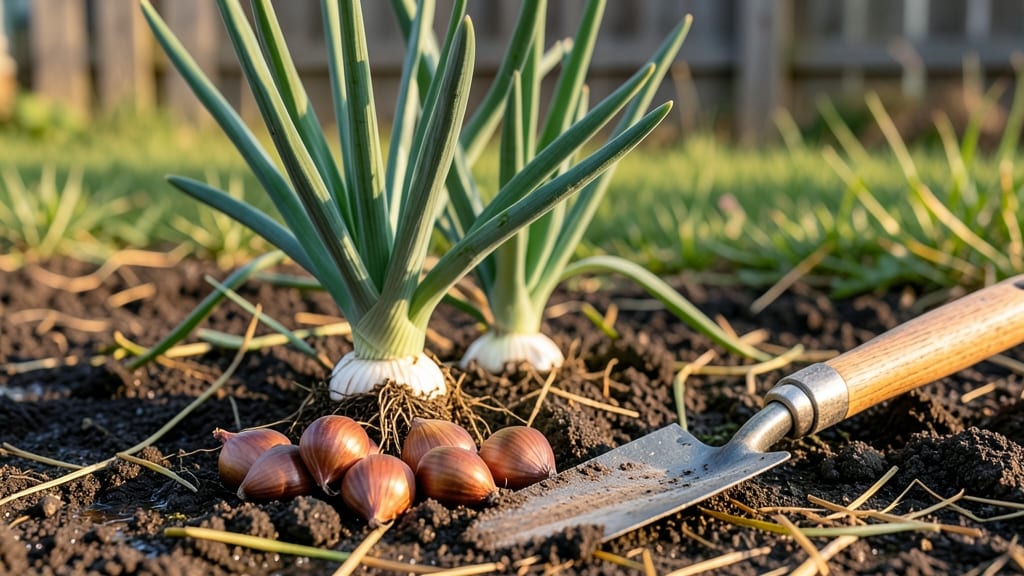
Planting garlic in Missouri at the wrong time can mean the difference between a bountiful harvest of hardneck varieties and wasted effort.
The key window for fall planting—when soil temps dip but before hard frost sets in—is October to November, but getting it right requires more than just checking a calendar.
Missouri’s 5b-6b climate throws a curveball with unpredictable freezes, making timing critical. Too early, and your 🧄 cloves may rot; too late, and they’ll struggle to establish roots before winter. I’ll break down exactly how to read your local frost dates and adjust planting for northern vs. southern Missouri’s microclimates.
Why does this matter? Because hardneck garlic—Missouri’s best bet for cold-hardy harvests—needs 60 days of cold dormancy to form those prized cloves. Miss that window, and you’ll end up with weak bulbs or no harvest at all. Let’s fix that.
You’ll learn the exact soil temperature thresholds to watch for, how to protect your plants from early freezes, and which garlic varieties thrive best in Missouri’s conditions. Plus, I’ll share my go-to mulching tricks to keep your garlic happy through winter—so you can enjoy fresh, homegrown 🧄 come next summer.
Best fall planting window for Missouri garlic (hardneck varieties)
Missouri’s hardneck garlic thrives when planted in fall, but timing is critical. The ideal window spans from mid-October to early November, aligning with soil temperatures between 40°F and 50°F. This period ensures bulbs establish roots before winter dormancy, setting the stage for a robust summer harvest.
Planting too early risks rot, while late planting may leave bulbs vulnerable to winter heaving.
For Missouri’s USDA zones 5–7, the last frost date (typically mid-November) acts as your deadline. Aim to plant 4–6 weeks before the ground freezes—this gives garlic enough time to root deeply while avoiding winter stress.
Northern Missouri (zone 5) may need earlier planting, while southern regions (zone 7) can extend the window slightly into December.
Soil temperature is your best indicator. Use a soil thermometer to confirm readings between 40°F and 50°F at 4-inch depth. If temperatures drop below 32°F consistently, garlic may suffer frost damage before root establishment.
In unpredictable years, err on the earlier side—late October is safer than waiting for November.
Regional adjustments matter in Missouri. In northern counties (e.g., St. Joseph or Kansas City), plant by October 15 to avoid early freezes. Southern areas (e.g., Springfield or Sedalia) can push to November 1, but monitor forecasts. Microclimates near rivers or lakes may stay warmer—adjust accordingly.
Here’s your Missouri garlic planting guide, broken down by zone and key factors:
| Zone | Ideal Planting Window | Soil Temp Threshold | Key Adjustments |
|---|---|---|---|
| 5 (North) | Mid-October – October 31 | 40°F–50°F | Plant by October 15; use mulch early |
| 6 (Central) | Late October – November 1 | 40°F–50°F | Flexible; watch for early frost |
| 7 (South) | October 20 – November 10 | 45°F–55°F | Can plant later; soil stays warmer |
| All Zones | 4–6 weeks before freeze | Below 32°F = risk | Use straw mulch (4–6 inches) |
Avoid the common mistake of planting garlic in September. Warm soils encourage early growth, which can lead to rot or weak bulbs before winter. Conversely, planting after November 15 risks shallow roots—garlic needs 6–8 weeks to establish before dormancy.
If you miss the fall window, spring planting (March) is a backup, but yields will be smaller.
Missouri’s variable weather demands preparation. After planting, cover beds with 4–6 inches of straw mulch to insulate soil and prevent temperature fluctuations. This layer also suppresses weeds and retains moisture.
In extreme cold snaps (below 10°F), add a light row cover or burlap for extra protection without smothering the plants.
Pro tip: Test your soil before planting. Hardneck garlic prefers well-draining, slightly acidic soil (pH 6.0–7.0). Amend clay-heavy soils with compost or sand to improve drainage. If your soil is too alkaline, mix in peat moss
Best fall planting window for Missouri garlic (hardneck varieties)
Missouri’s USDA zones 5b-6b create a tight window for planting hardneck garlic—typically October through early November. This timeline ensures your cloves establish roots before the ground freezes, but getting it wrong can mean wasted effort.
The magic happens when soil temperatures drop to 40–50°F, signaling garlic to start rooting while still allowing enough warmth for growth.
For most of Missouri, aim to plant 4–6 weeks before your average first frost date. In northern Missouri (zone 5b), this usually means mid-October to early November, while southern Missouri (zone 6b) can stretch planting until late November.
Check your local USDA frost map or extension service for precise dates—this isn’t a one-size-fits-all rule.
Here’s the critical detail: Soil temperature matters more than air temperature. Use a soil thermometer to confirm temps are consistently below 50°F at night but above 32°F during the day.
If nights dip below freezing before roots establish, your garlic will fail. This is where Missouri’s unpredictable weather throws curveballs—one year might bring an early freeze, while another stays unseasonably warm.
🌱 Missouri Garlic Planting Timeline Summary
| Stage | Action | Key Details |
|---|---|---|
| Soil Prep | Test pH (6.0–7.0) | Add compost for drainage |
| Planting Window | October–November | 4–6 weeks before frost |
| Soil Temp Check | 40–50°F nights | Use soil thermometer |
| Depth | 2 inches deep | Pointy end up, 4–6" apart |
| Mulch | Straw or leaves | 3–4 inches after planting |
Missouri’s northern regions (like St. Joseph) often see earlier freezes, so plant by October 15 to avoid risks. Meanwhile, southern Missouri (e.g., Springfield) can sometimes push planting into early December, but only if soil temps stay above freezing.
Pro tip: If your area had an early frost warning, prioritize planting hardneck varieties like ‘German White’—they handle cold better than softer-necked types.
One common mistake? Planting too early in September. Warm soil temps can cause garlic to sprout prematurely, leaving it vulnerable to rot or pest damage before winter. Wait until soil cools naturally—this usually aligns with late September to October in Missouri’s climate.
If you’re unsure, err on the side of planting later rather than risking early-season rot.
Remember: The goal is to give your garlic 60+ days of cold dormancy (below 40°F) before harvest. This cold period is what triggers those hardneck bulbs to form. In Missouri, planting in mid-October typically ensures this happens naturally, but always double-check your local frost dates and adjust accordingly.