
Plants
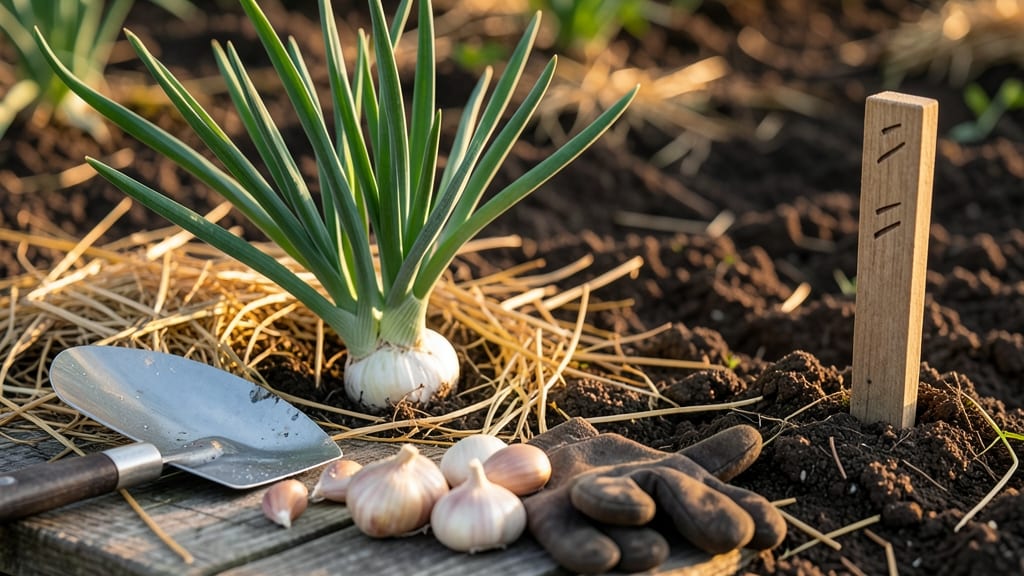
Planting garlic at the wrong time in North Carolina can mean the difference between a bountiful harvest and wasted effort—so timing is everything. The key is understanding your heat zone, because USDA zones 6b-8a have different frost dates that dictate when to plant those 🧄 cloves for maximum success.
Most gardeners know fall is the prime window, but did you realize planting too early or late can stunt growth? In North Carolina, the sweet spot is typically between October and November, when soil temperatures drop but haven't frozen solid.
This gives roots time to establish before winter dormancy kicks in.
What you might not know is that hardneck varieties (like Rocambole) thrive better in cooler zones, while softnecks (like Silverskin) handle warmer climates. I'll show you exactly how to match your garlic type to your local frost dates for foolproof results.
Whether you're a first-time grower or a seasoned gardener, these insights will help you avoid common mistakes that derail even the most well-intentioned plantings. Let's get those cloves in the ground at the perfect time!
North Carolina garlic planting deadlines by heat zone (7a-8b)
North Carolina’s diverse climate—from the mountains of zone 7a to the coastal plains of zone 8b—means your garlic planting window can vary by 4-6 weeks. The key is planting when soil temperatures drop below 70°F but before the first hard frost.
For most of NC, that’s mid-October to early November, but timing shifts earlier in the mountains and later near the coast.
Garlic is a cool-season crop that needs 60-80 days of cold dormancy to form bulbs. Planting too early (like in September) risks premature sprouting, while planting too late (December+) exposes cloves to rot from wet soil.
Hardneck varieties (like ‘Music’ or ‘German White’) need cold vernalization for bulb formation, while softneck types (like ‘Artichoke’) are more flexible but still thrive with proper timing.
| Heat Zone | Optimal Planting Window | Soil Temperature Threshold (°F) | Last Chance Before Frost | Key Variety Recommendations |
|---|---|---|---|---|
| 7a (Mountains: Boone, Asheville) | Mid-September to early October | 65-70°F | November 1 | ‘Music’, ‘Chesnok Red’, ‘Silverskin’ |
| 7b (Piedmont: Raleigh, Greensboro) | Late September to mid-October | 68-72°F | November 15 | ‘German White’, ‘Inchelium Red’, ‘Creole’ |
| 8a (Coastal: Wilmington, Fayetteville) | October 15 to November 1 | 70-75°F | December 1 | ‘Silverwhite’, ‘California Early’, ‘Artichoke’ |
| 8b (Outer Banks, Eastern NC) | November 1 to November 15 | 72-78°F | December 15 | ‘Silverskin’, ‘California Late’, ‘Turkish’ |
Data sourced from NC State Extension (2020-2023 climate averages)
Soil temperature is your best guide, not calendar dates. Use a soil thermometer to confirm temps are below 70°F at a 4-inch depth.
In zone 7a, this often means waiting until late September, while zone 8b gardeners can plant as late as mid-November—but only if frost isn’t forecasted within 4-6 weeks.
Hardneck garlic (the type with scape stalks) performs best in colder zones (7a-7b), where the winter chill triggers bulb formation. Softneck varieties (like ‘Artichoke’) are more adaptable and work well in warmer zones (8a-8b), though they may produce smaller bulbs if planted too late.
For zone 8b, consider spring planting in February to avoid summer heat stress.
Pro tip: If you’re unsure about your exact heat zone, check the NC State Extension’s interactive map or use the USDA Plant Hardiness Zone Map. Even a 1-zone difference can shift your planting window by 2-3 weeks.
For example, Asheville (7a) might plant in late September, while Wilmington (8a) waits until mid-October.
One common mistake is assuming “earlier is better”. Planting garlic in August or early September can lead to bolting (premature flowering) or weak bulb development. The 4-6 weeks before frost rule is your safest bet—this gives roots time to establish before winter dormancy.
For example, if your average first frost is November 15, aim to plant by October 1.
For gardeners in transition zones (7b/8a), like the Triangle region, flexibility is key. If you miss the fall window, you can still plant garlic in early spring (February), though bulbs will be smaller and less flavorful.
Spring-planted garlic is ideal for green garlic (harvested young) rather than mature bulbs.
North Carolina garlic planting deadlines by heat zone (7a-8b)
North Carolina's diverse USDA heat zones (7a through 8b) create critical timing differences for garlic planting. In zone 7a, you have until mid-November to plant, while zone 8b gardeners must finish by early October. These windows ensure garlic establishes roots before winter dormancy begins.
Garlic thrives when planted in cool soil (40-50°F) and 6-8 weeks before ground freezes. Miss this window, and you risk rotting cloves or stunted growth. The key is aligning planting with soil temperature thresholds, not calendar dates.
📌 Data Tip: Use a soil thermometer to verify readiness—garlic won’t sprout until soil hits 40°F consistently. In zone 7b, this typically occurs in late October.
| Heat Zone | Optimal Planting Window | Soil Temperature Threshold (°F) | Last Chance Before Frost | Key Variety Recommendations |
|---|---|---|---|---|
| 7a | October 15–November 15 | 40–50°F | November 20 | German Red, Silverskin |
| 7b | October 1–November 10 | 40–50°F | November 10 | Music, Chesnok Red |
| 8a | September 15–October 15 | 45–55°F | October 25 | Inchelium Red, California Early |
| 8b | September 1–October 5 | 50–60°F | October 10 | Artichoke, Creole |
Hardneck varieties (like Music) prefer cooler zones (7a-7b) and need cold vernalization to form bulbs. Softnecks (like Silverskin) thrive in warmer zones (8a-8b) and store longer but require earlier planting to avoid heat stress.
For zone 8b, planting after October 5 risks premature sprouting or bolting. Use row covers to extend the window by 1-2 weeks if needed. Always plant 4-6 weeks before first frost—this is non-negotiable for bulbs to mature properly.
Pro tip: Chit your cloves (sprout indoors for 2 weeks) to jumpstart growth in late plantings. This compensates for shorter fall windows in warmer zones like zone 8a.