
Plants
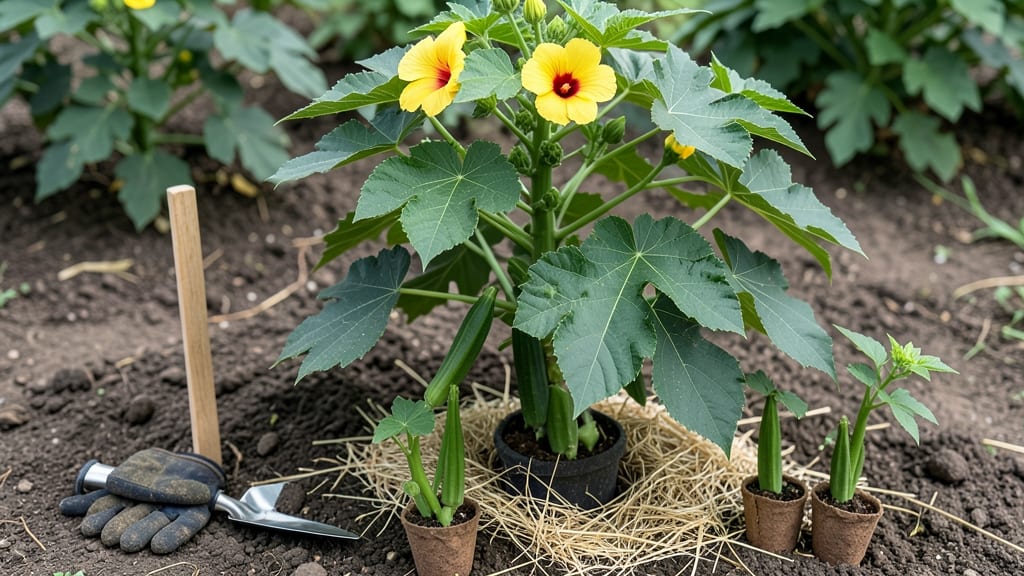
Planting okra in Oklahoma at the wrong time means waiting weeks for those crisp, tender pods—or worse, watching your plants bolt before they produce. With the right timing, you can enjoy a summer harvest of bold, flavorful okra that thrives in the heat.
Unlike cool-weather crops, okra demands warmth to germinate and grow. In Oklahoma’s USDA zones 7a-7b, the ideal window opens around mid-April when soil temperatures hit at least 60°F. But here’s the catch: planting too early risks frost damage, while waiting too long cuts your harvest short.
I’ll break down the exact frost-free window for your region, soil temperature tricks to speed up growth, and how to stretch your okra season with simple frost protection. No guesswork—just proven strategies for Oklahoma gardeners.
Ready to grow okra that’s ready to harvest by July? Let’s get started with the perfect planting schedule for your Oklahoma garden.
Oklahoma’s frost-free window for planting okra: exact dates by region
Timing your okra planting in Oklahoma is all about avoiding late frosts while giving your plants enough warmth to thrive. The state’s USDA zones 7a-7b mean you have a 210-day frost-free window, but regional differences matter.
Northern Oklahoma (like Oklahoma City) has a later last frost date than southern areas like Tulsa or Lawton, so adjust accordingly.
Okra is a heat-loving plant that won’t germinate until soil temperatures hit 65°F or warmer. This usually aligns with mid-April to mid-May across most of Oklahoma, but cooler microclimates may need a 2-3 week delay. Planting too early risks seed rot or stunted growth from lingering cool soil.
Here’s how to pinpoint your ideal planting window based on Oklahoma’s three key regions:
| Region | Last Frost Date | Ideal Planting Window | Soil Temp Goal | Notes |
|---|---|---|---|---|
| Northern OK (Oklahoma City, Stillwater) | April 15 | April 25 – May 10 | 65°F+ | Cooler nights; use black plastic mulch |
| Central OK (Norman, Moore) | April 1 | April 15 – May 5 | 65°F+ | Moderate climate; best for long harvests |
| Southern OK (Tulsa, Lawton) | March 15 | April 1 – April 20 | 65°F+ | Warmest zone; can plant earlier |
🌱 Pro Tip: Use a soil thermometer to confirm warmth before planting.
If you’re in a cooler microclimate (like high elevation areas), consider starting seeds indoors 2-3 weeks before your target outdoor date. Okra seeds germinate best at 75-90°F soil temperatures, so don’t rush—patience pays off with faster, stronger plants.
For gardeners in southern Oklahoma, you can even squeeze in a second planting around June 1 for a late-summer harvest. Just ensure your plants get full sun and consistent water to compensate for shorter daylight in fall.
Always check your local Cooperative Extension Service for year-specific frost data, as Oklahoma’s climate can shift yearly. A 5-10 day delay might save your crop from unexpected late frosts!
Once you’ve nailed your planting window, the next critical step is soil preparation. Okra hates cold, wet soil, so warming it up is just as important as timing. We’ll cover that in the next section—how to test and prepare your soil for okra success.
Soil temperature requirements for okra: how to test and prepare your garden
Okra thrives in Oklahoma’s heat, but it won’t germinate until your soil warms up to at least 65°F. Cold soil can leave your seeds sitting dormant for weeks—or worse, rot before sprouting.
I’ve learned the hard way that rushing planting because the air feels warm won’t cut it; the soil needs consistent warmth deep enough for roots to establish.
Most Oklahoma gardeners in USDA zones 7a-7b should wait until mid-April to early May, when daytime soil temperatures reliably stay above 65°F. In northern Oklahoma, you might need to push planting to late May, while southern regions can start as early as late March.
The key is checking soil temperature—not just air temperature—before planting.
Planting okra in soil below 60°F can cause seeds to rot or sprout unevenly. Even if the air is warm, cool soil slows germination to a crawl. Use a soil thermometer ($10 at garden centers) to check temperatures at a 2-inch depth—that’s where okra roots start.
Pro Tip: If your soil is still cool, try black plastic mulch to warm it up 5–10°F faster. Lay it down 1–2 weeks before planting to jumpstart soil temperature.
Testing soil temperature is easier than you think. Grab a soil thermometer (they look like meat thermometers but with a long probe) and check readings on a sunny afternoon—that’s when soil is warmest. If it’s below 65°F, wait a few days and test again.
Patience here means stronger plants and a longer harvest. I once planted okra in April when the soil was only 62°F, and it took 21 days to germinate—half the usual time!
If you’re eager to get a head start, consider using row covers or greenhouse beds to warm soil earlier. These methods can shave off 2–3 weeks from your planting timeline, giving you an earlier harvest.
Just be prepared to remove covers once plants are established to prevent overheating. Okra hates being smothered once it’s growing!
Another common mistake? Planting too deep. Okra seeds need light to germinate, so only bury them ½ inch deep. If you plant them deeper, they may rot before sprouting.
I’ve seen gardeners accidentally plant them 1 inch deep and wonder why nothing came up—turns out, they were waiting for a miracle instead of checking their depth!
Once your soil hits the sweet spot, okra grows fast. Within 5–7 days, you’ll see tiny sprouts pushing through the soil. Keep an eye out for uniform germination—if some seeds sprout and others don’t, it’s often a sign of inconsistent soil warmth or poor seed quality.
If you’re using saved seeds, test a few in a seed starter tray indoors first to gauge viability.
Remember, okra’s love for heat means it’s also sensitive to late frosts. Even if your soil is warm, a 28°F night can wipe out young plants. Always have a frost watch plan—like row covers or a nearby greenhouse—just in case Mother Nature throws a curveball.
With the right soil prep, you’ll be harvesting tender, 3-inch pods by early summer! 🌱