
Plants
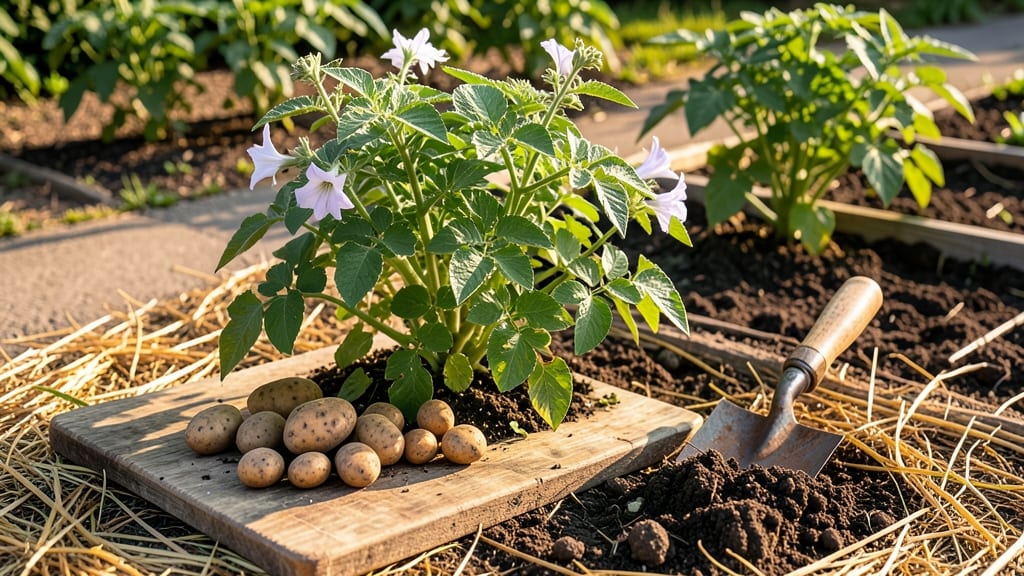
Timing when do you plant potatoes in Colorado isn't just about the calendar—it's about surviving the state's dramatic elevation shifts and unpredictable frost dates. Whether you're in the lowlands near Denver or high in the mountains, planting too early risks frost damage, while waiting too long cuts your harvest short.
Most Colorado gardeners aim to plant 2–4 weeks before the last frost, but that window shifts dramatically depending on whether you're at 5,000 feet or 10,000 feet.
I'll break down the exact months for each zone and share my top tips for chitting seed potatoes indoors to give your crop a head start in Colorado's cool springs.
You'll also discover how to adjust planting times for microclimates—whether you're dealing with windy plains or sheltered mountain valleys—and which potato varieties thrive best in Colorado's short growing season. Let's make sure your 🥔 harvest is bountiful, not bust.
From soil temperature tricks to frost-proofing techniques, I've got the insider knowledge to help you avoid common mistakes and maximize your yield. Ready to dig in?
Colorado potato planting calendar by elevation zone (with frost-date guidelines)
Colorado’s three distinct elevation zones create wildly different growing conditions for potatoes. The Lowlands (3,000–5,000 ft) enjoy longer seasons, while Mountain regions (above 8,000 ft) face shorter frost-free windows. Even the Foothills (5,000–7,000 ft) require careful timing to avoid late frosts.
Let’s break down the ideal planting windows for each zone, including soil temperature thresholds and last frost dates.
For all zones, potatoes thrive when soil reaches 45°F (7°C)—a critical threshold for sprouting. Use a soil thermometer to check, especially in high elevations where cold soils delay germination.
In Lowlands, this typically happens by mid-April, while Mountain gardens may wait until late May or early June. The key is planting 2–4 weeks before your last frost date to give tubers time to establish roots before warm weather arrives.
Here’s how to determine your local last frost date: Check the Colorado State University Extension frost maps or use the National Weather Service historical data for your county.
For example, Denver (5,280 ft) averages its last frost around April 20, while Fort Collins (5,046 ft) sees it slightly earlier (April 10). Adjust your planting date accordingly—earlier varieties for high elevations and longer-season types for Lowlands.
Pro tip: Chitting potatoes (pre-sprouting indoors) gives you a 2-week head start in cold climates. Place seed potatoes in a bright, cool spot (50–60°F) 4–6 weeks before planting. Look for 1-inch sprouts before setting them in the ground—this ensures faster emergence and higher yields.
Now, let’s dive into the zone-specific planting calendar with frost guidelines and variety recommendations tailored to Colorado’s climate.
Colorado Potato Planting Calendar by Elevation Zone
| Elevation Zone | Avg. Last Frost | Ideal Planting Window | Soil Temp. Threshold | Best Varieties |
|---|---|---|---|---|
| Lowlands (3,000–5,000 ft) | Mid-April | Late March–Early May | 45°F (7°C) | Yukon Gold, Red LaSoda, Kennebec |
| Foothills (5,000–7,000 ft) | Early May | Early April–Mid-May | 45°F (7°C) | Russian Banana, Purple Viking, Fingerlings |
| Mountains (7,000+ ft) | Late May–Early June | Late April–Early June | 50°F (10°C) | Early Rose, Red Norland, Gold Rush |
Notice how Mountain zones require a higher soil temperature (50°F) and later planting dates? This is because cold soils slow germination, and late frosts are more common. If you’re in a high-altitude area, opt for early-maturing varieties like Early Rose (60 days) to avoid frost damage.
In contrast, Lowlands can support longer-season varieties like Kennebec (100 days), giving you a bigger harvest window.
For Foothills gardeners, the April–May window is ideal, but watch for late spring frosts—they can devastate young plants. Use row covers or black plastic mulch to warm the soil and protect sprouts. I’ve seen 30% yield losses in Foothills gardens where potatoes were planted too early without protection.
One more tip: Plant in blocks, not rows, to maximize space and make harvesting easier. Space potatoes 12 inches apart in rows 30 inches apart for Lowlands, and reduce spacing to 10 inches apart in rows 24 inches apart for Mountains.
This adjustment accounts for smaller tubers in high elevations due to shorter growing seasons.
Finally, don’t forget about fall planting for a second harvest! In Lowlands and Foothills, you can plant late-summer varieties like Red LaSoda in July for a fall harvest before first frost. This extends your growing season and reduces pressure on your garden space.
With this zone-specific calendar, you’ll avoid the two biggest mistakes
How to adjust planting times for Colorado’s microclimates (and avoid common mistakes)
Colorado’s microclimates can shift potato planting windows by weeks or even months. A sunny urban garden in Denver may thrive with early April planting, while a windy high-plains farm near Yuma might need to wait until May. Understanding these variations helps you avoid frost damage or wasted seed potatoes.
First, identify your local microclimate—urban areas often warm faster than rural spots due to concrete heat absorption. Use a soil thermometer ($10 at garden centers) to confirm when soil reaches 45°F (7°C), the ideal temperature for planting.
In windy zones like the Eastern Plains, delay planting until winds subside or use windbreaks to protect young sprouts.
Here’s how to adjust timing for common Colorado microclimates:
| Microclimate | Adjustment | Why It Matters |
|---|---|---|
| Urban Gardens (Denver, Colorado Springs) | Plant 2–3 weeks earlier than rural areas | Concrete and buildings warm soil faster |
| Windy Plains (Yuma, Sterling) | Wait until soil is 50°F+ or use row covers | Strong winds dry soil and stunt growth |
| High-Altitude Farms (10,000+ ft) | Plant late May–June with cold-hardy varieties | Short growing season; frost risk lingers |
| Mountain Valleys (Grand Junction, Durango) | Use black plastic mulch to warm soil 2–3 weeks earlier | Cooler nights delay soil warming |
Three common mistakes Colorado gardeners make—and how to fix them:
Problem: Seed potatoes rot in cold, wet soil below 45°F.
Fix: Wait until soil is consistently 50°F+ for 5+ days. Test with a soil thermometer at 4" depth.
Another pitfall is ignoring late-season frosts. Even after last frost dates, mountain valleys can see unpredictable cold snaps. Use frost cloth or plant late-maturing varieties like Yukon Golds in high-risk areas.
For urban gardens, consider container growing—pots warm faster and let you move plants to sheltered spots if frost threatens.
Pro tip: Chit your seed potatoes indoors 4–6 weeks before planting. Place them in a bright, cool spot (60–65°F) with sprouts facing up. This gives you a 2–3 week head start on growth, critical for Colorado’s short season. Just avoid planting chitted potatoes in frozen ground—they’ll rot!
🌱