
Plants
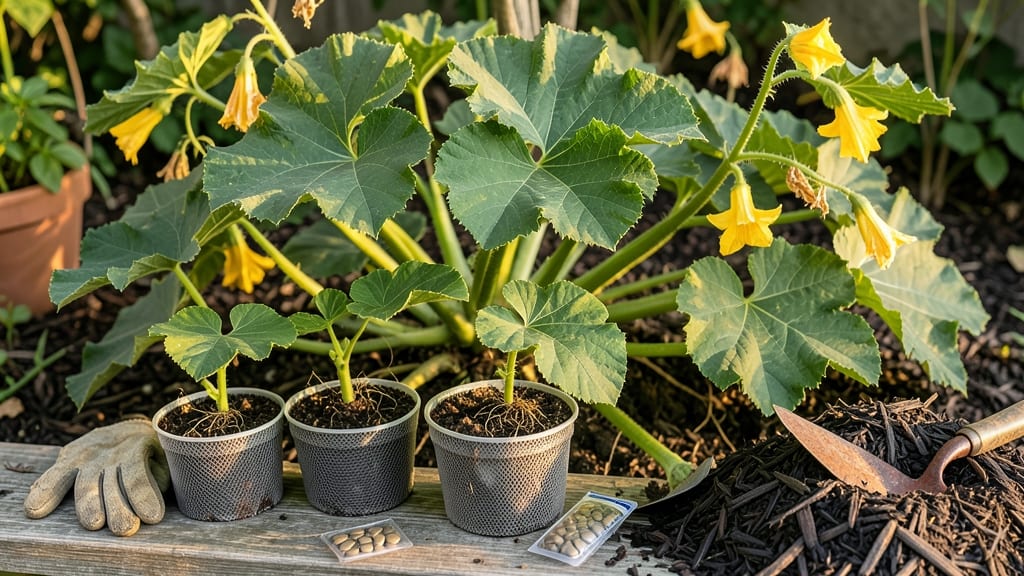
If you're dreaming of planting pumpkins in Pennsylvania this fall, getting the timing right is the key to a bountiful harvest. Planting too early risks frost damage to your vines, while waiting too long cuts your growing season short—especially in zones 5b-7a where late frosts linger.
Most gardeners in Pennsylvania plant pumpkin seeds in late May or early June, once soil temperatures hit 70°F and the threat of frost has passed. But with Pennsylvania’s varied climate—from Philadelphia’s coastal breezes to Pittsburgh’s inland chill—your exact timing depends on where you live.
In this guide, I’ll break down the best planting windows for your specific zone, share tricks to protect your pumpkins from unexpected cold snaps, and help you choose varieties that thrive in Pennsylvania’s 90-day growing season.
Whether you’re growing mini pumpkins for pies or giant gourds for competitions, these local tips will ensure your vines flourish—so you can enjoy a harvest of healthy, vine-ripened pumpkins ready for fall.
Pennsylvania pumpkin planting dates by hardiness Zone (with frost risk charts)
Pennsylvania’s USDA zones 5b-7a create a 100-day window for pumpkin growth, but frost dates vary wildly across regions. In Erie (Zone 6a), last frost hits April 25, while Philadelphia (Zone 7a) waits until May 10.
First frost arrives October 15 in Erie but October 25 in Pittsburgh (Zone 6b). These differences mean your planting timeline must shift depending on where you live.
For maximum yield, aim to plant pumpkins when soil temperatures reach 70°F—typically late May to early June in most of PA. However, early varieties like 'Jack Be Little' can tolerate cooler soils (60°F) and may be planted 2-3 weeks earlier.
Always use a soil thermometer to confirm readiness, as cold soil slows germination and invites damping-off disease.
Here’s how to align your planting with Pennsylvania’s frost-free season and USDA zones:
If you’re in Zone 5b, prioritize fast-maturing varieties like 'Howden' (75 days) to avoid early frost. In Zone 7a, you can experiment with longer-season varieties like 'Atlantic Giant' (120+ days) for giant pumpkins.
However, even in warmer zones, late summer heat waves can stress vines, so mulch heavily to retain moisture and prevent blossom-end rot.
For transplanting seedlings, wait until all danger of frost has passed—even if soil is warm. Seedlings are far more vulnerable to cold snaps than seeds. If you start indoors, harden off seedlings for 7-10 days before moving them outside.
Use black plastic mulch to warm soil faster and row covers for early protection if nights dip below 50°F.
Pro tip: Use Penn State Extension’s frost date maps to pinpoint your exact last frost date. Count backward 100-120 days from your first frost date to determine your planting deadline.
For example, if frost hits October 15, plant by June 25 for a 90-day variety or July 15 for a 120-day giant.
Never plant pumpkins in cool, wet soil—this invites fungal diseases like powdery mildew. Instead, raise beds or use straw mulch to warm soil faster. In northern PA, consider green
How to adjust planting time for giant pumpkins vs. small varieties in PA
Pennsylvania’s diverse USDA zones 5b-7a mean your pumpkin variety directly impacts planting timing. Giant varieties like Atlantic Giant need 120+ days to mature, while small pie pumpkins like Jack Be Little thrive in just 75-90 days. This difference changes everything—from soil prep to harvest windows.
For giant pumpkins, start seeds indoors by late April (4-6 weeks before last frost) and transplant after May 15 when soil hits 70°F. Small varieties can go directly into the ground as soon as soil warms, often by mid-May.
The key? Match your variety’s days to maturity with your local frost-free season (typically 165 days in PA).
Soil temperature is non-negotiable—giant pumpkins stall growth below 60°F, while small varieties tolerate cooler starts. Use a soil thermometer to confirm readiness. In Zone 5b (e.g., Erie), plant giants by May 1; in Zone 7a (e.g., Philadelphia), you’ve got until May 15. Small varieties? You’ve got 3 extra weeks of flexibility.
Succession planting works for small varieties—sow every 2 weeks from May to June for staggered harvests. Giant pumpkins? One planting is your best bet, with 4-6 seeds per hill spaced 5-6 feet apart. Crowding stresses giants, while small varieties handle 3-foot spacing like champs. Pro tip: Mulch heavily (straw or black plastic) to retain heat for slow starters.
Fertilizer strategy shifts too. Giants need heavy feeding—side-dress with 10-10-10 at 4-week intervals starting 6 weeks after transplanting. Small varieties? Light feed at planting, then skip mid-season to avoid excess foliage (which steals energy from fruit). Both types hate wet feet, so raise beds in clay-heavy areas like Pittsburgh’s Zone 6b.
Harvest timing is where variety rules supreme. Giant pumpkins must be off the vine by October 1 in most of PA—late frosts turn them mushy. Small varieties? You’ve got until first frost (often mid-October) to harvest. Test readiness by checking for a hard rind and shriveled stem. Miss these cues, and rot sets in fast in PA’s damp autumn air.
Giant vs. Small Pumpkin Planting Comparison
Factor
Giant Varieties (e.g., Atlantic Giant)
Small Varieties (e.g., Jack Be Little)
Days to Maturity
120+ days
75-90 days
Ideal Planting Time
Indoors by late April; transplant after May 15
Direct sow after May 1 (soil 70°F)
Spacing
5-6 feet apart
3 feet apart
Fertilizer Needs
Heavy feeding (4-week intervals)
Light feed at planting
Harvest Window
By October 1 (frost risk)
Until first frost (mid-October)
PA Zone Flexibility
Zone 6b+ only (e.g., Philadelphia)
Zones 5b-7a (statewide)
Local microclimates add another layer—Pittsburgh’s valleys stay cooler longer than Harrisburg’s hills. Use row covers for early plantings in Zone 5b to buy 2-3 weeks. For small varieties, succession plant every 10 days in June to stretch harvests into November. And remember: pumpkins need space. A 10-foot vine isn’t just long—it’s aggressive. Plan your layout like a maze, not a crowded garden.
🎃