
Plants
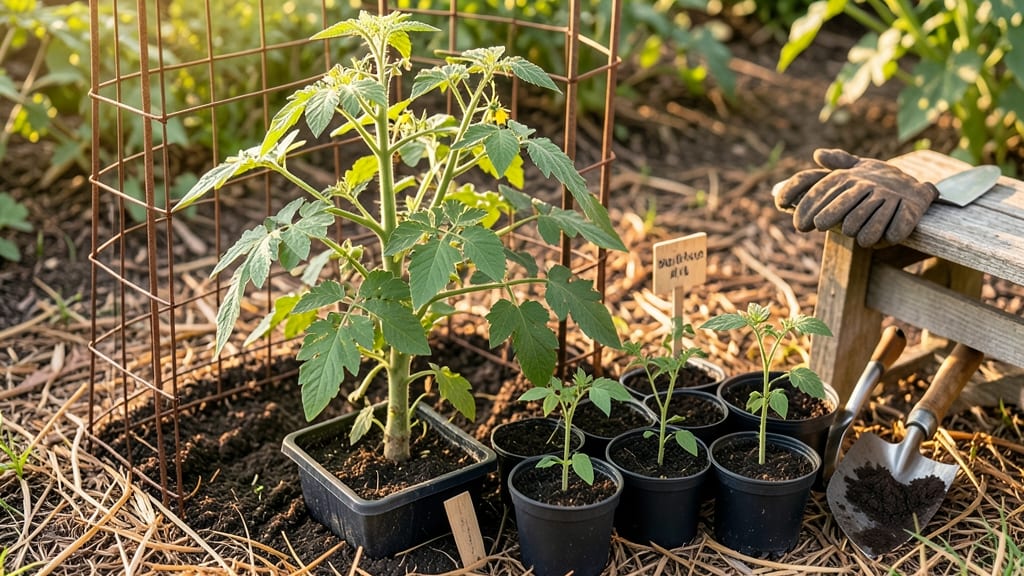
Planting your 🍅 tomatoes at the wrong time in North Carolina can mean the difference between a bountiful harvest and wasted effort.
Whether you're a seasoned gardener or just starting, knowing the exact window for planting—from the mountains to the coast—is the key to avoiding frost damage or heat stress that ruins flavor.
In zones 7a-8b, where NC spans from the cool Appalachians to the humid coast, timing matters more than most gardeners realize. Too early, and a late frost will kill your seedlings; too late, and summer heat can stunt growth or cause blossom drop.
The ideal transplant window varies by variety and location, but getting it right means more tomatoes on your plate from June through October.
I’ll break down the exact deadlines for planting heirloom, cherry, and hybrid tomatoes in each NC zone, plus pro tips for extending your season—whether you’re starting seeds indoors or sowing directly into warm soil.
By the end, you’ll know not just when to plant, but how to give your tomatoes the best shot at success.
Ready to turn your NC garden into a tomato powerhouse? Let’s dive into the zone-specific schedule that’ll have you harvesting like a local by midsummer.
NC planting deadlines for tomatoes by growing zone (7a-8b)
North Carolina’s three distinct growing zones (7a, 7b, and 8a-8b) mean your tomato planting schedule should vary by region. Zone 7a (mountains) has shorter seasons, while zone 8b (coastal) enjoys longer growing windows.
The key is planting after your last frost date, which ranges from mid-March in zone 8b to early April in zone 7a.
For most NC gardeners, transplanting seedlings outdoors begins in mid-April to early May, but fall tomatoes can be planted as late as late July. Heirloom varieties need extra warmth, while cherry tomatoes tolerate cooler temps better. Always check soil temperatures—they should stay above 60°F for healthy growth.
Here’s your zone-by-zone planting timeline, based on NC State Extension data and local frost averages:
| Zone | Last Frost Date | Transplant Window | Fall Planting Window | Notes |
|---|---|---|---|---|
| 7a (Mountains) | Early April | Late April - Early May | Late July - Early August | Short season; choose early varieties. |
| 7b (Foothills) | Mid-April | Early May | Mid-July - Late July | Moderate season; good for heirlooms. |
| 8a-8b (Coastal/Central) | Mid-March | Mid-April - Early June | Late July - Mid-August | Long season; ideal for indeterminate types. |
If you’re starting seeds indoors, begin 6-8 weeks before your target transplant date. Zone 7a gardeners should start by mid-March, while zone 8b can wait until late April. Use grow lights to ensure strong seedlings before moving them outside.
For direct sowing, wait until soil temps hit 60°F and nighttime temps stay above 50°F. In NC, this usually aligns with late April to early May, but coastal areas can start earlier. Direct-sown tomatoes may take 5-7 days longer to mature than transplanted ones.
One critical mistake NC gardeners make is planting too early. Frost-sensitive tomato seedlings can die if temps dip below 40°F. Use row covers or a cold frame if you’re eager to get an early start in zone 7a.
Always monitor your local NC State Extension forecast for updates on frost risks.
Pro tip: Succession planting every 2-3 weeks after your initial transplant date extends your harvest. In zone 8b, this means planting through early June for a continuous supply of tomatoes. Pair early varieties like ‘Stupice’ with late-season types like ‘Brandywine’ for a balanced harvest.
Remember, heat stress is just as dangerous as frost. In zone 8b, avoid planting after early June unless you’re growing heat-tolerant varieties. Look for ‘Solar Fire’ or ‘Heatmaster’—these thrive in NC’s 90°F+ summers.
For fall tomatoes, focus on determinate varieties that ripen quickly. Plant late July to early August in all zones, aiming for harvest before first frost. ‘Celebrity’ and ‘Roma’ are reliable choices for NC’s shorter fall seasons.
🌱
Best tomato varieties for NC’s short vs. long seasons (and when to plant them)
Choosing the right tomato varieties for North Carolina’s diverse climate zones can make or break your harvest. In zone 7a (mountains), cooler springs demand cold-hardy types, while zone 8b (coastal) thrives with heat-tolerant picks. The key is matching determinate (bush) or indeterminate (vining) varieties to your season length.
For short-season gardens (zones 7a-7b), prioritize early-maturing varieties like 'Stupice' or 'Mountain Spring'—they ripen in 60-70 days before summer heat sets in. In longer seasons (zones 8a-8b), heat-tolerant 'Solar Fire' or 'Heatmaster' shine, handling temps up to 95°F without stress.
🌱 Pro Tip: Indeterminate varieties (e.g., 'Brandywine') produce all season but need staking and succession planting to avoid heat-related blossom drop in July.
Top NC Tomato Varieties by Season
Determinate varieties like 'Celebrity' or 'Roma' are ideal for container gardening in urban NC areas—they top out at 3-4 feet and produce a single flush of fruit. Indeterminate types (e.g., 'Cherokee Purple') need trellises and regular pruning to channel energy into fruit rather than foliage.
🌿 Zone-Specific Hack: In zone 7a, start seeds indoors 8-10 weeks before last frost (early February) to get a jump on the short season.
In zone 8b, you can direct-sow as late as July 1 for a fall crop—just use shade cloth to protect seedlings from intense afternoon sun.
For fall planting, opt for heat-set varieties like 'Arkansas Traveler' that tolerate cooler nights. These ripen just in time for October harvests before the first frost hits.
Always check NC State Extension’s frost maps to adjust your timeline—some years, the first frost arrives as early as October 10 in the mountains!