
Plants
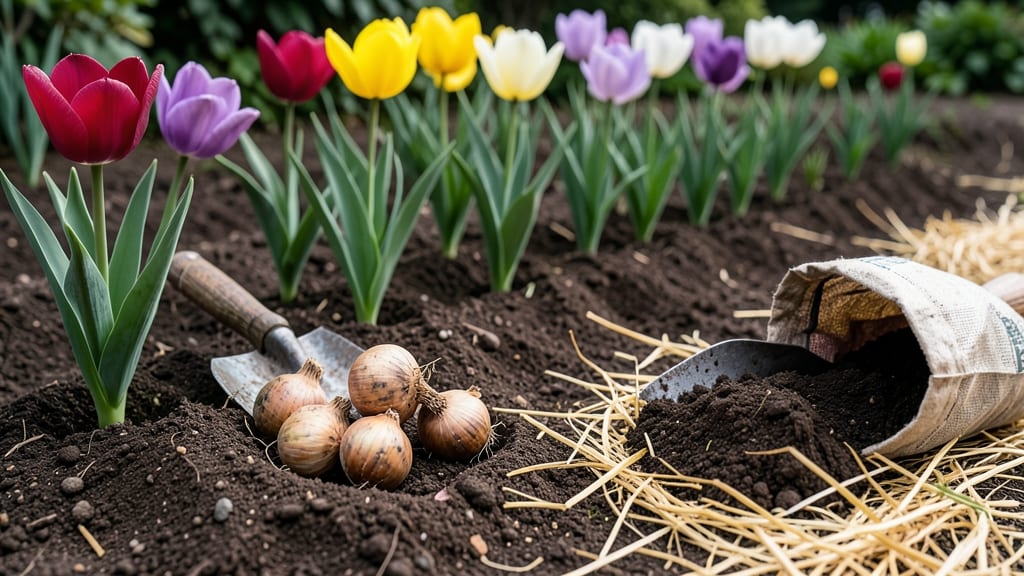
Planting tulips in Georgia at the wrong time could mean skipping next spring’s vibrant blooms—🌷—and missing out on the joy they bring to your garden.
The secret lies in timing your fall planting just right, between October and December, when soil temperatures drop but before the first frost hits.
Georgia’s 7b-8b zones offer a unique window for tulip lovers, but rushing the process can leave bulbs vulnerable to winter’s chill. I’ll walk you through the exact deadlines for each zone, so you can plant with confidence and avoid common mistakes that kill tulips before they bloom.
Whether you’re a first-time gardener or a seasoned pro, understanding your local climate is the key to success. From soil prep to post-planting care, I’ve got the tips you need to ensure your tulips thrive—and return year after year.
Let’s dive into the perfect planting schedule, so you can enjoy a garden bursting with color come spring. Ready to get started?
Georgia tulip planting deadlines by hardiness Zone (7a-8b)
Georgia’s USDA zones 7a-8b offer a unique window for tulip planting, but timing is everything. The ideal time to plant is when soil temperatures drop to 70-75°F—typically between mid-October and mid-December.
Planting too early means bulbs may sprout before winter, while planting too late risks frost damage before roots establish.
In Zone 7a, where the first frost often arrives by November 15, aim to plant by late October. For Zone 7b and 8a, you have until mid-November, while Zone 8b gardeners can plant as late as early December, thanks to milder winters.
Soil temperature is your best guide—use a soil thermometer to confirm it’s below 75°F before planting. If you miss the window, don’t despair: January planting is still possible in Zone 8b, though blooms may be delayed or smaller.
Here’s a quick breakdown of your planting deadlines by zone, including soil temperature thresholds and frost risks:
| Zone | Last Planting Date | Soil Temp Threshold | Frost Risk | Notes |
|---|---|---|---|---|
| 7a | Late October | 70-75°F | High | Plant by October 31 for best results. |
| 7b | Mid-November | 70-75°F | Moderate | Extend window to November 15 if soil is cool. |
| 8a | Mid-November | 70-75°F | Low | January planting possible in mild winters. |
| 8b | Early December | 70-75°F | Minimal | Best for late varieties like Darwin Hybrids. |
For early-blooming varieties like Greigii or Fosteriana, plant by October 15 to ensure they get enough chill hours. Late varieties, such as Darwin Hybrids, can wait until November—they thrive in Georgia’s milder winters and often produce larger blooms.
Pro tip: If you’re unsure about frost dates, use a frost calendar for your specific Georgia county. For example, Athens (Zone 8a) has a later frost date than Dahlonega (Zone 7a), so adjust accordingly.
Always plant at least 6 weeks before the first frost to give bulbs time to root.
One common mistake is waiting until the ground is frozen. Plant now while soil is workable but cooling—this is your best shot at vibrant spring blooms. In Georgia, that means acting before Halloween for most zones.
After planting, mulch with 2-3 inches of straw to insulate bulbs during winter. This extra layer helps prevent freeze-thaw cycles, which can damage emerging shoots. Remove mulch in early spring once new growth appears.
Remember, tulips need 12-16 weeks of cold to bloom properly. Georgia’s winters often provide this naturally, but if you’re in a warmer microclimate (like near the coast), consider chilling bulbs in the fridge for 8-10 weeks before planting.
With these deadlines in mind, you’re ready to plant with confidence. Next, we’ll explore the best tulip varieties for Georgia’s climate—some thrive here better than others! 🌷
Georgia tulip planting deadlines by hardiness Zone (7a-8b)
Georgia’s 7a-8b zones offer a 6-8 week window for tulip planting, but missing the mark can mean bulbs rotting in soggy soil or freezing before rooting. The key is planting when soil temps hit 70-75°F—warm enough for root growth but cool enough to prevent premature sprouting.
For Zone 7a, aim to plant between mid-October and November 15, while Zone 8b gardeners have until early December. This timeline ensures bulbs establish roots before winter’s chill sets in, giving them the strength to push through Georgia’s mild winters and bloom in spring.
Here’s the breakdown by zone, including early vs. late varieties and soil temperature thresholds:
| Zone | Planting Window | Soil Temp Threshold | Early Varieties | Late Varieties |
|---|---|---|---|---|
| 7a | Mid-October - Nov 15 | 70-75°F | Darwin Hybrids | Fringed Tulips |
| 7b | Late Oct - Nov 25 | 65-70°F | Parrot Tulips | Double Late |
| 8a | Nov 1 - Dec 1 | 60-65°F | Kaufmanniana | Species Tulips |
| 8b | Nov 15 - Dec 10 | 55-60°F | Fosteriana | Greigii |
Pro tip: Use a soil thermometer to check temps before planting. If soil is still above 75°F, wait a week—hot soil can trigger premature sprouting, leaving bulbs vulnerable to frost damage.
For Zone 8b gardeners, late November is your last chance. Planting after December 10 risks bulbs not rooting before winter’s chill, especially in Georgia’s humid climate, which can cause rot if soil stays too wet.
Once planted, mulch with 2-3 inches of straw to insulate bulbs and retain moisture. This simple step can mean the difference between vibrant spring blooms and bulbs that fail to return year after year.