
Plants
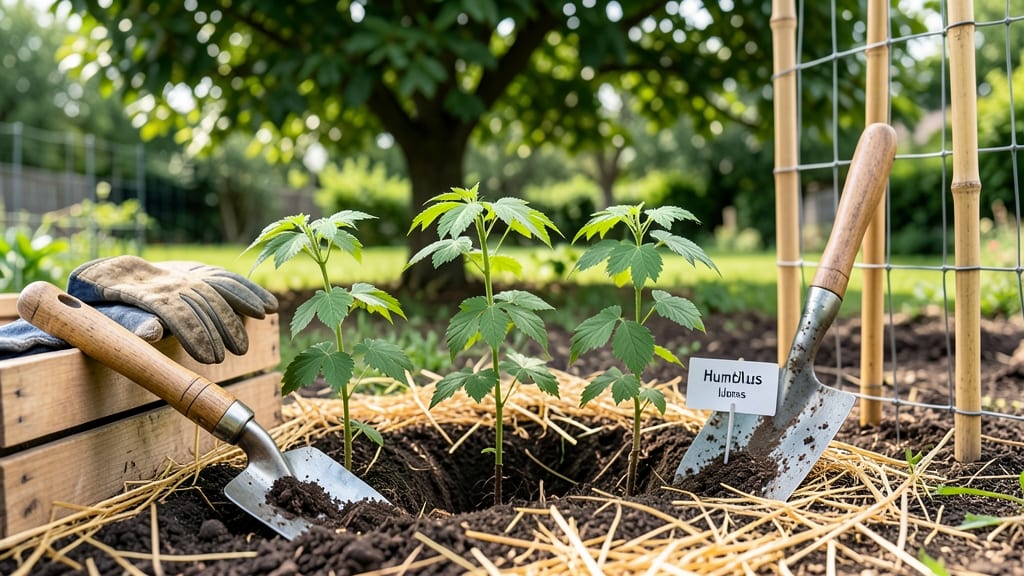
When is the best time to plant hops in Michigan? It isn’t just about throwing rhizomes into the ground—it’s about outsmarting frost, soil, and the Great Lakes’ whims to grow vibrant, cone-producing vines that thrive in zones 5b-6b. The wrong timing can mean wilted shoots or stunted growth, but get it right, and you’ll harvest aromatic cones by late summer.
Most Michigan gardeners swear by late April to early May as the sweet spot for planting hops, but your exact window depends on whether you’re in the Upper Peninsula’s cooler 5b or the Lower Peninsula’s milder 6b.
I’ll break down how to read frost forecasts, prep soil for zero-frost survival, and choose between seeds or rhizomes—because not all hops are created equal in Michigan’s climate.
Here’s the game-changer: even if your last frost lingers past the calendar’s deadline, you can still plant successfully with the right tricks—like black plastic mulch or row covers.
I’ll share my top strategies to extend your growing season without risking frost damage, so you’re not left scrambling when the first cold snap hits.
Ready to turn your backyard into a hop haven? Let’s dive into the exact steps, from soil prep to trellising, so your 🌿 hops grow tall, strong, and ready for harvest by October. No guesswork, just results.
Michigan’s hop planting zones: USDA Zone 5 vs. 6 deadlines
Michigan’s hop planting success hinges on understanding your USDA zone and last-frost dates. Most of the state falls in Zone 5b-6b, but the Upper Peninsula can dip into Zone 4, drastically altering your planting window.
The Lower Peninsula (where most home gardeners grow hops) typically sees its last frost between mid-April and early May, while northern regions may wait until late May.
Hops are perennial vines that need 150+ frost-free days to mature fully. Planting too early risks soil sickness or frost damage, while waiting too long stunts growth. Your goal is to transplant rhizomes when soil temperatures hit 50°F+—a critical threshold for root establishment.
To pinpoint your exact window, check the NOAA frost probability maps for your county. For example, Detroit (Zone 6a) averages a last frost on April 15th, while Traverse City (Zone 6b) often waits until May 1st.
The Upper Peninsula’s Marquette (Zone 5a) may not be frost-free until May 10th.
🌱
| Zone & Region | Last Frost Date | Ideal Planting Window | Soil Temp Threshold | Notes |
|---|---|---|---|---|
| Zone 5a (Upper Peninsula) | May 10–15 | Late May–early June | 50°F+ (consistent) | Use cold-hardy varieties like ‘Fuggle’. |
| Zone 5b (Northern Lower Peninsula) | April 25–May 5 | Early May–mid-May | 50°F+ (consistent) | Monitor for late frosts; use row covers. |
| Zone 6a (Southern Lower Peninsula) | April 10–20 | Late April–early May | 50°F+ (sooner in south) | Best for ‘Cascade’ and ‘Centennial’. |
| Zone 6b (Southwest Michigan) | April 5–15 | Early April–mid-May | 45°F+ (earlier risk) | Start rhizomes indoors in March. |
If you’re in Zone 6b, you can push the envelope by starting rhizomes indoors in March under grow lights. Harden them off by mid-April and transplant after the last frost. For Zone 5a gardeners, focus on late-May plantings and prioritize frost-resistant varieties like ‘Willamette’, which tolerates cooler soils.
Pro tip: Use a soil thermometer to confirm readiness. Bury it 4 inches deep—the depth where hop roots will establish. If temps dip below 50°F at night, delay planting or use black plastic mulch to warm the soil faster.
For container growing, aim for May 15th in most zones. Containers warm up faster but dry out quicker, so pair them with self-watering systems and move them to a south-facing wall for extra heat.
🌿
Remember: Hops need 6–8 hours of sunlight daily, so choose a south-facing location with 6+ feet of vertical space for trellising. Install supports before planting—hops despise being transplanted after they start climbing!
✂️
Michigan’s hop planting zones: USDA Zone 5 vs. 6 deadlines
Michigan’s USDA zones 5b and 6a/6b create a tight window for planting hops—just 2–3 weeks between last frost averages and soil warming. In Zone 5b (northern Michigan), the last frost date typically falls between May 1–15, while Zone 6a/6b (southern Michigan) sees frost-free conditions by April 15–May 1.
These dates shift yearly, so always check NOAA’s Michigan frost maps or your local MDARD weather station for real-time updates.
For rhizome planting (the preferred method), soil must reach 50°F+ at 4-inch depth—usually 1–2 weeks after your region’s last frost.
In Zone 5b, this often means waiting until late May, while Zone 6a/6b gardeners can plant as early as mid-April if using black plastic mulch to warm the soil faster.
| Zone & Region | Last Frost Date | Ideal Planting Window | Soil Temp Threshold |
|---|---|---|---|
| Zone 5b (Upper Peninsula, Northern Lower) | May 1–15 | Late May (after May 15) | 50°F+ at 4" |
| Zone 6a (Southern Lower) | April 15–May 1 | Mid-April to early May | 50°F+ at 4" |
| Zone 6b (Southwest Michigan) | April 1–15 | Late March–early April (with protection) | 50°F+ at 4" |
Pro tip: Use a soil thermometer to confirm readiness—hops won’t thrive in cold, wet soil. If your area experiences late frosts (common in Zone 5b), opt for early-maturing varieties like ‘Fuggle’ or ‘Cascade’, which can complete their 90–120-day growth cycle before first frost in October.
Another critical factor is microclimates. South-facing slopes or urban areas (like Detroit or Grand Rapids) warm up faster than rural fields.
If you’re in doubt, start rhizomes indoors in late March and transplant after last frost—just be sure to harden off seedlings for 10–14 days before moving them outside.
For seed-starting (less common but viable for homebrewers), begin indoors 8–10 weeks before your last frost date. Seedlings are far more frost-sensitive than rhizomes, so row covers or a cold frame are essential if planting early.
Remember: Hops grow aggressively once established, so trellis installation should happen before planting. A 10–15-foot trellis (or string system) is non-negotiable—these vines can reach 20+ feet in a single season if given the right conditions.