
Planting
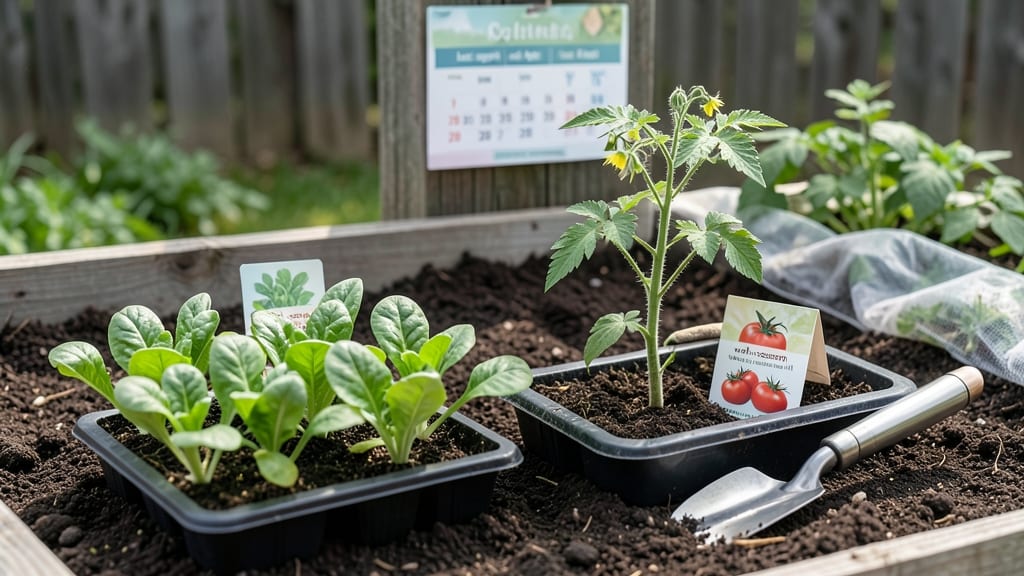
When should you plant a garden in Ohio? Timing your garden just right in Ohio isn’t just about following a calendar—it’s about outsmarting the state’s tricky frost dates and unpredictable weather. Plant too soon, and a late freeze could turn your tender seedlings into sad, wilted memories. Too late, and you’ll miss the sweet spot for bumper crops of tomatoes, peppers, and fresh greens.
I’ve spent years watching Ohio’s 🌱 garden vegetables (General) thrive (and sometimes struggle) in Zone 6a, and the secret lies in knowing when to start seeds indoors, when to brave the soil for direct sowing, and how to stretch the growing season.
Whether you’re a first-time gardener or a seasoned pro, getting the timing right means the difference between a harvest that feeds your family and one that barely keeps up with your expectations.
This guide breaks down the exact planting windows for Ohio—from cool-season crops like lettuce and spinach to heat-lovers like peppers and eggplants—so you can avoid common mistakes and maximize your garden’s potential. No more guessing games or wasted seeds; just a clear roadmap to a garden that delivers.
Ready to turn your Ohio garden into a productivity powerhouse? Let’s dive into the frost-free timeline that’ll have your plants growing strong from mid-April through early June and beyond.
Ohio’s frost dates and planting zones: key timelines by region
Ohio’s USDA Hardiness Zones 5b–6a mean your planting schedule should shift slightly depending on whether you’re in southern Cincinnati or northern Cleveland. The last spring frost typically arrives between mid-April and early May, while the first fall frost hits mid-October to early November.
These dates create a 165-day growing season—just enough time to grow heat-loving crops like tomatoes and peppers if you time it right.
For example, Columbus (Zone 6a) usually sees its last frost around April 15, while Toledo (Zone 5b) can wait until May 1. In Cincinnati (Zone 6b), gardeners often plant cool-season crops like spinach and peas as early as March 15 under row covers.
Understanding these regional differences helps you avoid late-season surprises that can ruin your harvest.
Here’s how Ohio’s frost dates break down by region and what they mean for your planting strategy:
| Region/City | Last Spring Frost | First Fall Frost | Planting Window | Key Crops |
|---|---|---|---|---|
| Northern Ohio (Cleveland, Toledo) | May 1–10 | October 10–20 | Late April–early June | Peas, lettuce, tomatoes, peppers |
| Central Ohio (Columbus, Dayton) | April 15–25 | October 15–25 | Mid-April–late May | Spinach, radishes, cucumbers, beans |
| Southern Ohio (Cincinnati, Lexington) | April 1–10 | November 1–10 | Early April–early June | Broccoli, carrots, okra, sweet potatoes |
*Dates vary yearly; use local weather alerts for real-time updates.
In northern Ohio, where frosts linger longer, focus on cold-hardy crops like kale and Swiss chard for early spring planting. Meanwhile, southern Ohio’s longer season lets you experiment with heat-loving crops like okra and sweet potatoes, which need more time to mature.
Always check the National Weather Service or Ohio State University Extension for yearly adjustments—last year’s frost dates might not match this year’s!
Another critical factor is soil temperature. Warm-season crops like tomatoes and peppers won’t thrive until the soil reaches 60°F. Use a soil thermometer to monitor—planting too early in cold soil stunts growth.
In Columbus, this usually means waiting until mid-May for tomatoes, while Cincinnati can start a week earlier.
For cool-season crops, like lettuce and spinach, you can start seeds 4–6 weeks before the last frost. In Toledo, that’s around mid-March, while Cincinnati gardeners can begin in early March.
Use row covers to protect tender seedlings from unexpected late frosts, which can still hit in early May even in southern Ohio.
Urban gardeners in cities like Cleveland or Akron often face microclimates that can be 2–3°F cooler than rural areas. If you’re in a city garden, err on the side of caution—plant 2 weeks later than rural recommendations to account for these cooler pockets.
Conversely, southern exposure areas in cities can warm up faster, allowing earlier planting of warm-season crops.
Pro tip: Mark your calendar for Mother’s Day weekend (May 12–14), a traditional Ohio benchmark. By this time, most of the state is safe for planting tomatoes, peppers, and cucumbers, though northern Ohio may still need to wait until Memorial Day.
Keep a planting journal to track your local frost dates—over time, you’ll spot patterns unique to your microclimate.
Finally, don’t overlook fall planting. In southern Ohio, you can sow spinach and radishes as late as September 15 for a winter harvest. In northern Ohio, stick to hardy greens like kale by August 15.
With the right timing, Ohio’s growing season can be twice as productive as you might think!
Best planting schedule for Ohio gardens: month-by-month guide
Ohio’s planting calendar hinges on frost dates and soil temperatures, but even then, local microclimates can shift timelines by weeks. Start by checking your last average frost date—most of Ohio falls between April 15 (south) and May 15 (north).
For warm-season crops like tomatoes and peppers, wait until soil hits 60°F+, typically late May. Cool-season crops like spinach or kale? Plant them 4–6 weeks before your last frost.
Use this month-by-month breakdown to align your garden with Ohio’s climate. For example, March is prime for cool-season starts indoors (like broccoli or cabbage), while June is your last chance to direct-sow warm-season crops for a fall harvest.
Containers and raised beds warm up faster than in-ground soil, so adjust timelines 1–2 weeks earlier for these setups.
📅 Ohio Planting Calendar by Month
- 🌱 March: Start cool-season seeds indoors (lettuce, spinach, onions). Harden off seedlings by month’s end.
- 🌿 April: Direct-sow peas, radishes, carrots (soil should be 40°F+). Transplant broccoli, cabbage if frost-free.
- ☀️ May: Last frost risk! Plant potatoes, beans, cucumbers. Start tomatoes/peppers indoors for June transplanting.
- 🌞 June: Warm-season peak: Transplant tomatoes, peppers, eggplants. Direct-sow corn, squash, melons (soil 65°F+).
- 🍂 July: Succession plant bush beans, lettuce, beets for fall harvest. Start cool-season crops indoors for August transplanting.
- 🌧️ August: Transplant kale, spinach, Brussels sprouts for fall/winter harvests. Last chance for fast-maturing crops (radishes, turnips).
Pro Tip: Use row covers to extend spring/fall planting by 2–3 weeks in Ohio’s cooler zones.
For herbs like basil and cilantro, timing is critical—basil thrives in hot summer months (plant after May 15), while cilantro bolts in heat, so sow it in early spring or late summer. Perennials like asparagus or rhubarb need patience: plant crowns in early spring (March–April) for roots to establish before winter.
Urban gardeners in Cincinnati or Columbus can push timelines slightly earlier than rural areas due to heat-island effects.
Container gardens offer flexibility—potted tomatoes can go out 2 weeks before in-ground plants when soil is still chilly. Just ensure containers have drainage holes and use lightweight potting mix to prevent overheating. Monitor soil moisture closely; containers dry out 3x faster than garden beds in Ohio’s summer heat.
Don’t forget fall planting! Ohio’s first frost typically hits October 15 (south) to November 1 (north), leaving room for hardy crops like garlic, onions, and kale. Plant these in September for a winter harvest. Use mulch to insulate roots and protect tender greens from early frosts.
Track your garden’s progress with a planting journal—note when you sow, transplant, and harvest each crop. Over time, you’ll refine your Ohio-specific schedule.
For example, my tomato plants in Toledo always need a row cover until June 1, while my Columbus garden can skip it by May 15. Small adjustments make a big difference!