
Plants
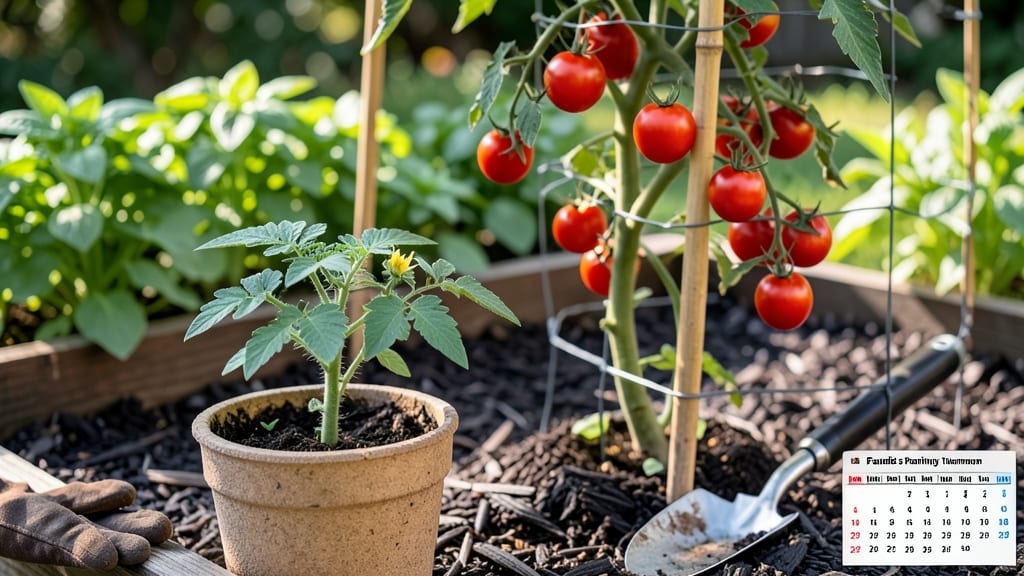
Planting tomatoes in Florida isn't just about grabbing seeds and sticking them in the dirt—it’s about timing them perfectly to beat the heat and humidity while avoiding common pitfalls that ruin harvests.
With 300+ frost-free days and year-round growing potential, Florida’s climate is a tomato gardener’s dream, but getting the schedule wrong can mean stunted plants, disease, or even total failure.
Most gardeners in USDA Zones 9a-11 assume they can plant anytime, but the truth is far more nuanced. The key lies in staggering plantings to avoid summer’s brutal heat and humidity, which stress plants and invite pests.
Whether you’re in North Florida’s cooler pockets or South Florida’s tropical zones, optimal planting windows shift with the seasons—and missing them can cost you a bountiful harvest.
In this guide, I’ll break down the exact months to plant for your region, from early spring’s mild weather to fall’s cooler temperatures, plus heat-tolerant varieties that thrive when others bolt.
You’ll also discover how to prep your soil, manage watering, and avoid overplanting in Florida’s sticky summers—so you can enjoy homegrown 🍅 all year long.
Ready to turn your Florida garden into a tomato powerhouse? Let’s dive into the science-backed schedule that’ll keep your plants happy, healthy, and producing until the last frost—even though, let’s be honest, frost is the least of your worries down here.
Florida heat-zone planting calendar: best months by region (avoid these mistakes)
Florida’s frost-free climate means you can grow tomatoes year-round—but timing still matters. Unlike northern states, your USDA zones 8A–11 create microclimates where summer heat and humidity demand strategic planting. North Florida (Panhandle) faces occasional light frosts in winter, while South Florida (Miami, Key West) enjoys consistent 80°F+ soil year-round.
Planting too early in Zone 9A+ risks heat stress or bolting (premature flowering), while late starts in Zone 8A may miss the fall harvest window.
The key? Staggered plantings every 2–3 weeks for continuous tomatoes. Let’s break down the best months by region, including soil temp cues and common pitfalls.
🌱 PRO TIP: Use a soil thermometer—tomatoes thrive when soil hits 60°F+ (spring) or 70°F+ (summer). In Zone 10A–11, you can plant year-round, but June–August may require shade cloth to prevent bolting.
For Zone 8A gardeners (like those in Jacksonville or Gainesville), focus on early spring (February–March) and late summer (August–September) plantings. These windows align with cooler soil temps and lower humidity, reducing disease risk. Transplant shock is less likely when nighttime temps stay above 55°F.
In Zones 9A–10A (Orlando, Tampa, Fort Myers), you can push three planting cycles: January–February (early), July–August (mid), and September–October (late). Use shade cloth (30–50%) for summer starts to prevent bolting—when plants flower too quickly without fruiting. I’ve had success with ‘Solar Fire’ and ‘Heatmaster’ varieties in these cycles.
South Florida (Zone 10B–11) is the tomato paradise—you can plant month-round! But even here, June–August demands extra care: drip irrigation, mulch, and afternoon shade are non-negotiable. I’ve grown ‘Celebrity’ tomatoes in December with no issues, but July plantings often struggle without
Tomato varieties that thrive in Florida’s heat: early vs. late planting strategies
Florida’s heat and humidity can turn tomato plants into sad, leafy shadows if you’re not strategic about variety selection and planting timing. The key is choosing heat-tolerant varieties that won’t bolt (flower prematurely) and staggering plantings to avoid summer’s peak stress.
For example, ‘Celebrity’ tomatoes thrive in Florida’s heat, while heirlooms like ‘Brandywine’ need cooler conditions to perform well.
Early planting (January–March) focuses on cool-season varieties like ‘Mountain Merit’, which handle Florida’s mild winters. Late plantings (August–October) should use heat-resistant types such as ‘Solar Fire’ or ‘Heatmaster’, which won’t shut down when temperatures climb.
The trick? Match the variety to the season and avoid planting heat-sensitive types during summer’s brutal months.
Here’s how to pair varieties with planting windows for year-round success:
Early Planting (Jan–Mar) – Cool-Season Varieties
- Milder temperatures reduce stress
- Fewer pests (e.g., hornworms, whiteflies)
- Longer harvest window before summer heat
- Risk of cold snaps in North FL (Zone 9a)
- Slower growth in cooler months
- Limited heat-tolerant options
Late Planting (Aug–Oct) – Heat-Tolerant Varieties
- Resistant to bolting in heat
- Faster maturation in warm soil
- Harvests align with fall’s cooler temps
- Higher disease risk (e.g., early blight)
- Requires shade cloth in peak summer
- Shorter harvest window before frost (rare but possible)
Avoid planting heat-sensitive varieties like ‘Cherokee Purple’ in summer—they’ll bolt faster than you can say “humidity.” Instead, opt for ‘Heatmaster’ or ‘Solar Fire’, which stay productive even when temps hit 95°F+.
For transplanting, wait until soil temps reach 60°F+ in spring or use shade cloth in summer to protect seedlings from scorching.
Pro tip: Stagger plantings every 2–3 weeks to extend your harvest. For example, plant ‘Celebrity’ tomatoes in January, then again in March, and finally in August for a year-round supply. This strategy ensures you’re always eating homegrown 🍅 without gaps in production.
Finally, monitor your plants for transplant shock—a common issue in Florida’s heat. Harden off seedlings gradually and mulch heavily to retain moisture. With the right varieties and timing, you’ll enjoy tomatoes from January through November, even in Florida’s toughest zones.