
Planting
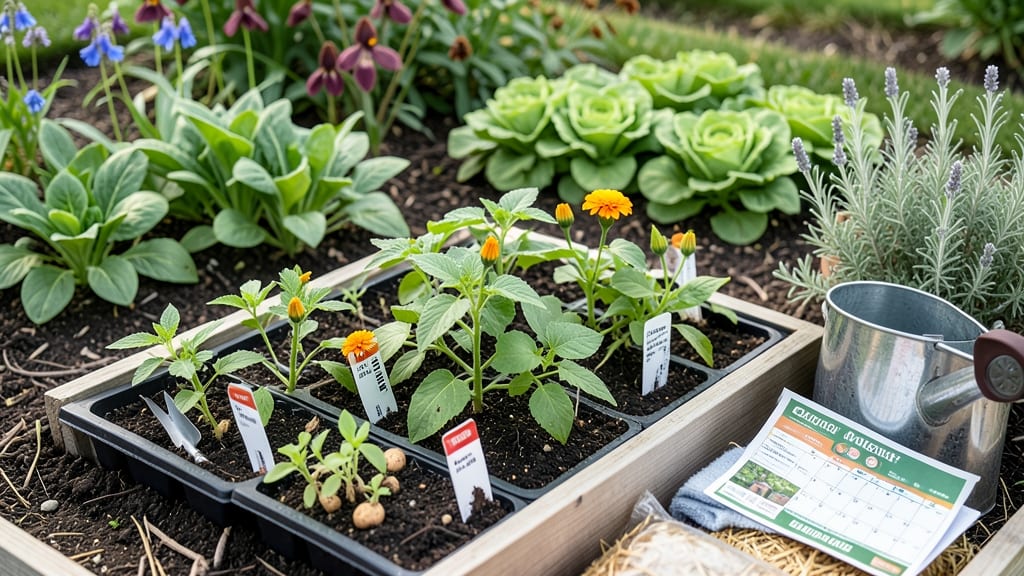
Planting your garden in Colorado isn't just about checking a calendar—it's about reading the land. With elevations ranging from 5,000 to over 10,000 feet, your 🌱 General Garden Plants thrive on timing that varies by microclimate, not just zip code.
Skip the guesswork and plant when the soil is ready, not just when the calendar says "go."
Most gardeners in zones 4-7 wait until after the last frost—typically mid-April—but that rule crumbles in high-altitude areas where snow lingers until May. The key? Start seeds indoors 6-8 weeks before your last frost date, then transplant when nights stay above 50°F.
For fall crops, August-September is your window before early frosts hit.
Why does this matter? Plant too early, and frost will wipe out your hard work. Plant too late, and you’ll miss the growing season entirely.
I’ll break down the exact deadlines for your elevation zone—whether you’re gardening in Denver’s Front Range or the Western Slope’s arid plains—so you can align your planting with Colorado’s unpredictable weather.
Ready to grow a garden that thrives? Let’s dive into the microclimate-specific schedule that turns "maybe next year" into a bountiful harvest this season. Your soil—and your dinner table—will thank you.
Colorado planting zones by elevation: when to start seeds indoors vs. direct-sow outdoors
Colorado’s dramatic elevation shifts create unique gardening challenges. While Denver’s Front Range enjoys 120 frost-free days, mountain towns like Leadville (9,000+ ft) may have just 60 days.
This means your tomato seedlings started in March in Fort Collins might freeze overnight in Aspen. Understanding these microclimate differences is key to avoiding wasted effort and failed harvests.
Let’s break down the three major Colorado gardening regions: Front Range (5,000–7,000 ft), Western Slope (4,000–6,000 ft), and High Country (7,000–10,000+ ft). Each has distinct last frost dates, soil warming times, and ideal planting windows for cold-hardy crops like kale versus heat-lovers like peppers.
The table below shows your exact actionable deadlines.
| Region | Avg. Last Frost | Start Seeds Indoors | Direct-Sow Outdoors | Transplant Outdoors | Cold-Hardy Crops | Heat-Lovers |
|---|---|---|---|---|---|---|
| Front Range (Denver/Boulder) | April 15–May 1 | March 1–15 (peppers, tomatoes) | April 15–May 10 (lettuce, peas) | May 1–15 (after frost) | Kale, spinach, peas, radishes | Tomatoes, peppers, basil |
| Western Slope (Grand Junction) | March 15–April 1 | February 15–March 1 (earlier) | March 20–April 10 (earlier) | April 1–15 (soil warms faster) | Broccoli, carrots, Swiss chard | Cucumbers, melons, okra |
| High Country (Aspen/Leadville) | June 1–15 (late!) | April 15–May 1 (delayed) | June 1–15 (after snowmelt) | June 15–July 1 (short season) | Potatoes, cabbage, turnips | Bush beans, zucchini (fast growers) |
For Front Range gardeners, starting tomato seeds indoors in early March gives them a head start before the May 1 last frost. But in Aspen, those same seeds won’t survive outdoors until June 15—so focus on fast-maturing varieties like ‘Early Girl’ tomatoes or ‘Bush Blue Lake’ beans.
The Western Slope’s warmer climate lets you plant cucumbers and melons by April 1, while high-altitude gardeners should stick to cool-season crops like potatoes and cabbage.
One critical trick for high-elevation gardens: use row covers to extend your season by 2–3 weeks. In Leadville, this can mean the difference between a failed harvest and a bountiful garden.
For example, covering spinach with frost cloth until May 15 lets you harvest greens 3 weeks earlier than unprotected plants. Pair this with black plastic mulch to warm soil faster—critical for tomatoes and peppers in cooler zones.
Another pro tip: soil temperature matters more than air temperature. Use a soil thermometer to confirm it’s 50°F+ before planting warm-season crops. In Denver, this often means waiting until mid-May, while Grand Junction can plant peppers by April 15.
Cold soil slows germination, leading to weak seedlings that struggle to establish. For high-altitude gardens, consider a cold frame to jumpstart seedlings in April.
Don’t overlook fall planting—it’s a game-changer for Colorado’s short seasons. In the Front Range, sow spinach and kale by August 15 for harvests before the first frost (October 15). Western Slope gardeners can push this to September
5 Critical mistakes Colorado gardeners make with planting timing (and how to Fix them)
Colorado’s unpredictable weather makes planting timing tricky, and even experienced gardeners fall into common traps. The first mistake? Ignoring elevation-based frost dates.
A Denver gardener might plant peas in March, only to lose them to a late frost, while a Grand Junction grower waits too long for heat-loving tomatoes. Always check your last frost date—not the state average—but your local microclimate’s history.
Another pitfall is planting too early without soil warming. Cold soil slows germination, leaving seeds vulnerable to rot. Test your soil temperature with a soil thermometer—most vegetables need 50°F+ for roots to establish. If it’s cooler, use black plastic mulch or a cold frame to speed up warming.
Microclimates matter more than zip codes. A south-facing urban garden in Denver can be 10°F warmer than a shaded backyard, extending your growing season. Map your yard’s sun exposure: Full sun (6+ hours) areas can handle tomatoes, while partial shade (3-6 hours) suits lettuce or spinach.
⚠️ Warning: Overlooking High-Altitude Delays
Gardeners in Aspen (8,000+ ft) often plant 4-6 weeks later than Denver. Delaying cold-hardy crops like kale or peas until May 15 avoids frost damage, while heat-lovers (peppers, eggplants) may need to wait until June 1 for soil to warm.
🌱 Fix: Use row covers to extend early spring planting by 2-3 weeks in high-altitude zones.
Skipping seed-starting indoors is another rookie error. For tomatoes, peppers, and basil, begin seeds 6-8 weeks before your last frost. Without this head start, seedlings won’t mature in time. Use grow lights if natural light is weak—Colorado’s short spring days can stunt seedlings.
Finally, neglecting fall planting wastes Colorado’s second growing season. Many gardeners stop after summer, but kale, broccoli, and carrots thrive when sown in August-September. These crops tolerate light frosts and even improve flavor after a frost. Mark your calendar for mid-August to avoid early October frosts.
Pro tip: Keep a garden journal to track your mistakes and successes. Note which crops thrive in your microclimate and adjust next year’s schedule. With these fixes, you’ll avoid frost traps and grow a garden that outperforms the neighbors’. 🌿