
Plants
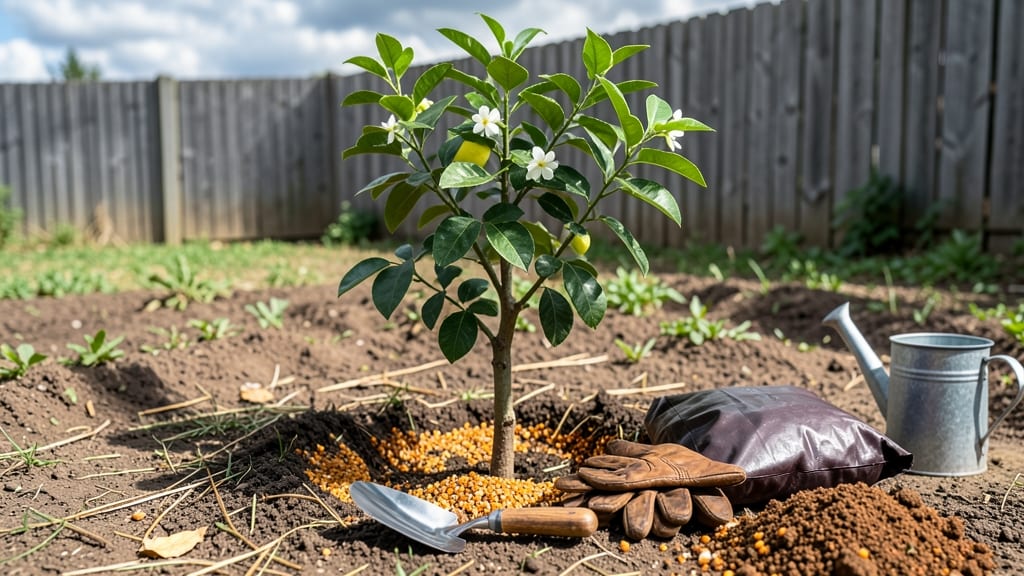
Planting a 🍋 lemon tree in Louisiana might seem like a no-brainer with its warm climate, but timing can make or break your harvest. The key to success isn’t just waiting for spring—it’s understanding how your specific microclimate (like New Orleans vs. Shreveport) affects frost risk and soil conditions.
Most gardeners in USDA Zones 9B-10A swear by late winter to early spring planting, but there’s more to it. Whether you’re growing a dwarf variety for containers or a standard tree in the ground, knowing when to plant ensures your tree avoids early frosts and thrives year-round.
In this guide, I’ll break down the exact planting windows, frost protection tips, and soil prep tricks that work for Louisiana’s unique climate. You’ll learn how to time your planting for maximum growth and fruit production—without the guesswork.
Ready to grow a lemon tree that actually bears fruit? Let’s get started with the perfect planting schedule for your corner of the state.
Best planting windows for lemon trees in Louisiana’s USDA Zones 9B-10A
In Louisiana’s USDA Zones 9B-10A, the ideal planting window for lemon trees spans from late February to early April, right after the last frost date. This timing ensures your tree establishes roots before summer heat arrives, setting the stage for year-round fruit production.
However, local microclimates—like coastal humidity or inland heat—can shift this window by weeks.
For container-grown lemon trees, you can plant as early as February in warmer southern regions (e.g., New Orleans), but wait until mid-March in northern areas (e.g., Shreveport) to avoid unexpected late frosts.
Bare-root trees, meanwhile, thrive when planted in late winter to early spring, giving them time to harden off before summer.
If you’re in a high-risk frost zone (like north Louisiana), consider a dwarf variety or potted lemon tree for flexibility. These can be moved indoors or under cover during cold snaps, extending your planting window into early May if needed.
For container-grown trees, timing is flexible—you can plant anytime the soil isn’t frozen, but spring planting (March-April) ensures the best root establishment. If you plant in fall, focus on bare-root trees and protect them with mulch or frost cloth, as they’re more vulnerable to winter chill.
Pro tip: Check your local last frost date (typically mid-March in most of Louisiana) and wait 2-3 weeks after to plant. This buffer gives young roots time to adapt before summer heat peaks.
Use a soil thermometer to confirm the ground is above 60°F—the ideal temperature for citrus root growth.
In coastal areas, like Grand Isle, humidity can delay planting slightly, but the longer growing season makes up for it. Inland areas, however, may need to plant earlier to avoid summer drought stress.
Always choose a sunny, sheltered spot—lemon trees need 6+ hours of sun daily and hate wind exposure.
If you’re unsure about your local microclimate, observe nearby citrus trees (like orange groves) for cues. Their foliage health and fruit set can guide your planting timing. For example, if nearby trees flower in late winter, your lemon tree will thrive with a similar schedule.
Finally, avoid planting in summer—the intense heat stresses young trees. Instead, opt for early spring or fall (with winter protection) to give your lemon tree the best start. With the right timing, you’ll be harvesting homegrown lemons in as little as 1-2 years!
🍋
Best planting windows for lemon trees in Louisiana’s USDA Zones 9B-10A
In Louisiana’s USDA Zones 9B-10A, the ideal planting window for lemon trees spans from late February to early April. This timing ensures your tree establishes roots before the peak summer heat and avoids early frost risks that can damage young roots.
For container-grown lemon trees, you can plant as late as May in coastal areas like New Orleans, where frost is rare. However, in inland zones like Shreveport, stick to February-March to give your tree a head start before summer arrives.
If you prefer bare-root lemon trees, plant them in late winter (January-February) to allow roots to establish before warm weather. This is especially critical for dwarf varieties, which need extra time to adapt to Louisiana’s humid climate.
| Planting Window | Best For | Key Consideration |
|---|---|---|
| Late February - Early March | Standard & Dwarf Trees | Avoids frost risk, warm soil for root growth |
| April - May (Coastal Areas) | Container-Grown Trees | Lower frost risk, but monitor humidity |
| January - February (Bare-Root) | All Varieties | Max root establishment before spring |
For fall planting, Louisiana’s mild winters allow for a secondary window in October-November, but this is riskier due to early frost potential. If you choose this route, opt for dwarf varieties or use row covers for protection.
Always check your local last frost date—even in Zone 10A, unexpected cold snaps can occur. In my experience, planting after March 15th reduces frost damage risks significantly in most areas.
Pro tip: If you’re in Zone 9B, wait until after March 1st to plant. In Zone 10A, you can push it to April for container-grown trees, but monitor weather forecasts closely.