
Plants
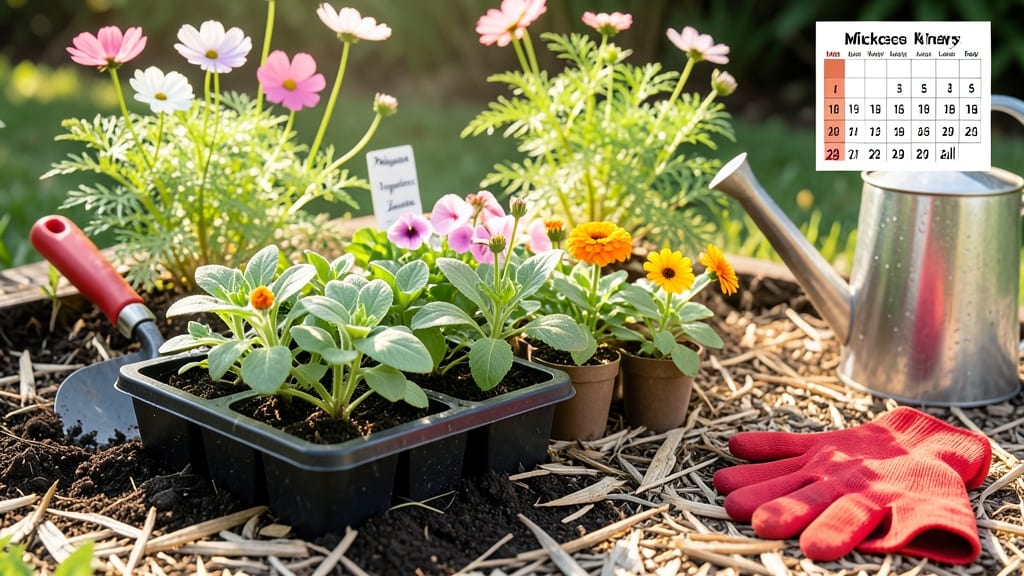
When to plant annuals in Michigan is the secret to a garden that bursts with color and flavor—wait too long, and you’ll miss the blooms; rush it, and frost will take its toll. With USDA zones 5b-6b and frost dates that shift from the Upper Peninsula to Detroit, knowing when to plant isn’t just helpful—it’s essential.
Most gardeners in Michigan start their 🌸 annuals after the last frost, typically between mid-April and mid-May, but the real trick lies in adjusting for your specific region. Whether you’re sowing marigolds in the Lower Peninsula or zucchini in the UP, the 130-160 frost-free days shape your entire planting calendar.
This guide breaks down the exact windows for cool-season stars like pansies and warm-season favorites like tomatoes, plus how to stretch your season with containers or cold frames. No more guessing—just a thriving garden from spring to fall.
Ready to turn Michigan’s unpredictable climate into your advantage? Let’s dive into the zone-specific planting schedule that’ll keep your annuals happy—and your garden buzzing all season long.
Michigan’s USDA zones & frost dates: when to start planting annuals by region
Michigan’s USDA zones 5a-6b and variable frost dates make planting annuals a regional balancing act. The Lower Peninsula typically enjoys 130-160 frost-free days, while the Upper Peninsula often has 100-130 days, forcing gardeners to adjust timelines.
Knowing your exact last frost date (usually mid-April in southern regions to late May in the north) is critical for avoiding frost damage to tender annuals like tomatoes or petunias.
For southern Michigan (zones 5b-6a), the average last frost falls around April 15-25, while northern Michigan (zones 4b-5a) may not see frost-free conditions until May 10-30. The first frost usually arrives between October 10-25, depending on elevation and proximity to Lake Michigan, which creates microclimates.
Always check your local Almanac or Michigan State University Extension for precise dates.
Here’s how to use this data: Cool-season annuals like pansies or lettuce can handle light frosts and should be planted 4-6 weeks before your last frost. Meanwhile, warm-season annuals like marigolds or basil need soil temperatures above 50°F (10°C) and should wait until 2 weeks after your last frost.
In USDA Zone 5a, that might mean waiting until May 15, while Zone 6a gardeners can plant by May 1.
🌱
If you’re in a microclimate—like near Lake Michigan—expect 2-3 weeks earlier last frosts due to the lake’s moderating effect. Conversely, inland valleys or higher elevations may experience later frosts.
Always monitor weekly forecasts and have frost cloth ready for late surprises. For container gardening, you can push planting dates by 1-2 weeks since pots warm up faster.
For fall planting, aim to sow cool-season annuals like kale or pansies by August 1-15 in southern Michigan and August 15-September 1 in northern areas. These plants thrive in cooler temperatures and can handle light frosts, extending your garden’s life until October or November.
Just avoid planting warm-season crops after July 15, as they won’t mature before frost.
Pro tip: Use Michigan State University’s interactive frost map to pinpoint your exact last frost date. This tool accounts for elevation and local topography, giving you the most accurate timeline for your specific location. Bookmark it—it’s a game-changer for first-time gardeners
Cool-season vs. warm-season annuals: Michigan-specific planting timelines
Michigan’s short growing season demands smart planning—cool-season annuals like pansies and lettuce thrive in spring and fall, while warm-season stars like tomatoes and marigolds need summer’s heat. The key? Planting at the right time to avoid frost damage or stunted growth.
For cool-season annuals, start seeds indoors 4-6 weeks before your last frost date (typically mid-March for most of Michigan). Transplant outdoors in early spring (March-April) or late summer (August-September) for fall blooms. These varieties handle cooler temps and even light frosts.
Warm-season annuals, however, are frost-sensitive. Wait until after the last frost (mid-May to early June) to plant outdoors. For a head start, sow seeds indoors 6-8 weeks before transplanting. Succession planting—sowing every 2-3 weeks—keeps your garden productive all season.
| Plant Type | Planting Window | Michigan Regions | Notes |
|---|---|---|---|
| Cool-Season Flowers | March-April (spring) or August-September (fall) | All zones (5b-6b) | Pansies, Snapdragons, Sweet Alyssum |
| Cool-Season Veggies | March-April (spring) or July-August (fall) | All zones (5b-6b) | Lettuce, Spinach, Kale, Radishes |
| Warm-Season Flowers | May-June (after last frost) | Lower Peninsula (earlier) | Marigolds, Petunias, Zinnias |
| Warm-Season Veggies | May-June (after last frost) | All zones (5b-6b) | Tomatoes, Peppers, Basil, Cucumbers |
| Fall-Blooming Annuals | August-September | All zones (5b-6b) | Cosmos, Sunflowers, Calendula |
Succession planting is a game-changer in Michigan. For example, sow bush beans every 2 weeks from May to July to ensure a steady harvest. Similarly, marigolds planted in early June and again in late July will bloom nonstop until frost.
Don’t forget about container gardening—it’s perfect for extending seasons. Plant warm-season veggies like peppers in pots and move them indoors when nights turn chilly. This trick adds 2-4 extra weeks of growing time for heat-loving plants.
Timing isn’t just about months—it’s about soil and air temperatures. Always check that nighttime temps stay above 50°F (10°C) for warm-season plants. Use a soil thermometer to confirm—cool soil can stunt growth even if air temps are warm.