
Plants
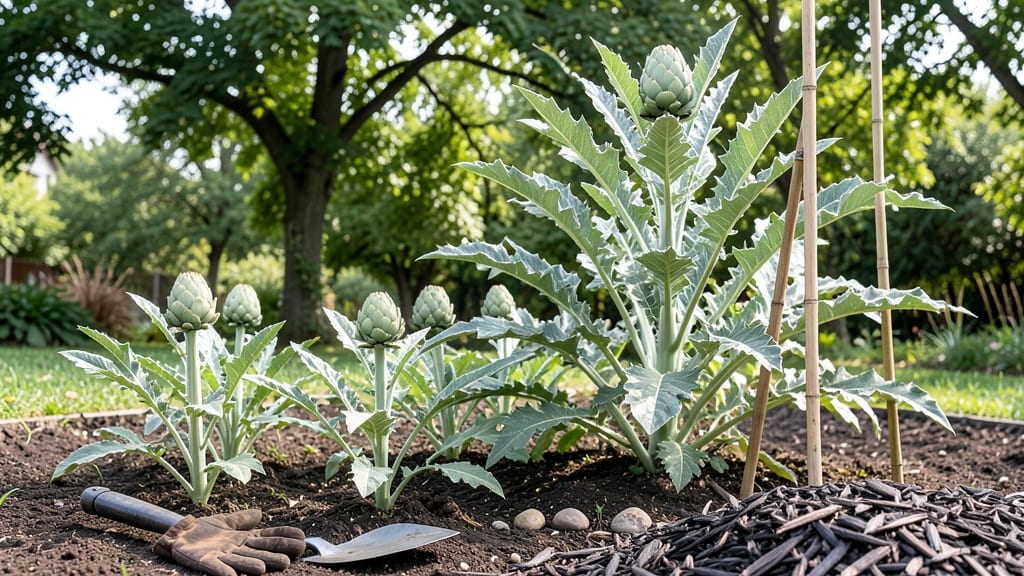
To plant artichokes in Zone 9 without risking heat stress or missed harvests, timing is everything—but most gardeners get it wrong. The coolest months between November and February offer the perfect window for these Mediterranean plants to thrive, even in frost-free climates like Southern California or Phoenix.
Artichokes 🌱 aren’t built for summer’s scorching temperatures, so planting too late means bolting (flowering prematurely) or stunted growth.
But here’s the game-changer: starting seeds indoors 6–8 weeks before your target outdoor date gives you a head start on the ideal winter window—when days are cool but still long enough for steady growth.
Whether you’re in coastal L.A. or inland Phoenix, microclimates shift your schedule slightly. Coastal areas can plant a little later thanks to milder winters, while inland zones need to push seedlings in earlier to avoid spring heat.
I’ll break down the exact deadlines and soil prep tricks to ensure your artichokes hit the ground running.
Ready to skip the guesswork? Let’s dive into the step-by-step schedule that guarantees zero frost risk and a bumper crop by March—without the common mistakes that waste your time and money.
Optimal planting windows for artichokes in Zone 9 (with frost-free guarantees)
Artichokes thrive in Zone 9’s mild winters, but timing your planting is critical to avoid heat stress or poor germination. Unlike frost-prone zones, Zone 9’s 365 frost-free days mean you focus on temperature thresholds rather than frost dates.
The ideal window spans November through February, when daytime temps hover between 60–75°F—perfect for seedling establishment.
Zone 9’s microclimates vary wildly: coastal areas like San Diego enjoy milder winters, while inland spots like Phoenix experience hotter summers. This means your planting schedule should account for whether you’re near the ocean or tucked in a desert valley.
For coastal gardeners, October starts work well, while inland growers should wait until November 15th to avoid early heat spikes.
Artichokes are cool-season crops, so your goal is to establish roots before spring heat arrives. Seedlings take 60–90 days to mature enough for transplanting, so sow seeds 8–10 weeks before your last 90°F+ day—typically mid-March in Zone 9
| Stage | Zone 9 Coastal | Zone 9 Inland | Key Tip |
|---|---|---|---|
| Seed Starting Indoors | October 1–15 | November 1–15 | Use grow lights if temps exceed 75°F |
| Transplant Outdoors | November 15–December 15 | December 1–January 15 | Hardening takes 10–14 days—gradually expose to outdoor temps |
| Harvest Window | March–May | April–June | Harvest before buds open—cut stems at 2" below bud |
| Soil Temp Threshold | 55–75°F | 60–72°F | Use soil thermometer—below 55°F delays germination |
For direct sowing (skipping seedlings), aim for November 1st in coastal areas or December 1st inland. Seeds need consistent moisture and 60–70°F soil temps to germinate. Inland gardeners should mulch heavily to retain moisture during daytime heat, while coastal growers can use lightweight row covers for extra protection.
Missed the fall window? Don’t panic—Zone 9’s winter rains create a second chance. Plant transplants in January for a spring harvest, though yields may be smaller.
The key is avoiding summer heat: artichokes bolt (flower prematurely) when temps exceed 85°F, so plan for shade cloth if extending into late spring.
Pro tip: Green Globe and Imperial Star varieties handle Zone 9’s heat better than Violetto. For container growing, use 5-gallon pots with well-draining mix—artichokes hate soggy roots. Move containers to shadier spots as temps rise above 80°F.
Remember: Zone 9’s artichoke success hinges on cool-season timing. Plant too early, and your seedlings will wilt in summer heat; too late, and you’ll miss the ideal harvest window.
Stick to November–February, and you’ll enjoy homegrown artichokes from March to June—just in time for grilling season!
Optimal planting windows for artichokes in Zone 9 (with frost-free guarantees)
Zone 9’s frost-free climate means artichokes can thrive year-round—but only if you plant during the coolest months. Unlike northern zones, we skip spring planting entirely. The ideal window runs from mid-November through February, when daytime temps stay between 60°F–75°F and nights dip below 55°F.
This mimics their Mediterranean origins while avoiding summer’s bolting trigger (heat over 80°F).
For direct-sown seeds, start in late November—soil temps should be 55°F–65°F for germination. If using transplants, wait until December when roots can establish before spring heat arrives.
Coastal areas like San Diego can plant slightly earlier (October), while inland Phoenix should delay until January to avoid premature bolting.
🌱 Artichoke Planting Timeline for Zone 9
| Stage | Action | Key Notes |
|---|---|---|
| Soil Prep | Test pH (6.5–7.5), amend with compost | Zone 9 soils often need organic matter |
| Seed Starting | Direct sow Nov 15–Dec 15 | Soil temp: 55°F–65°F |
| Transplanting | Dec 1–Feb 15 | Hardening for 7–10 days first |
| Harvest Window | March–June | Pick before buds open fully |
Artichokes in Zone 9 need 150–180 days to mature, so February-planted seeds will yield by June–July, just as summer heat arrives. For a second harvest, try late summer transplants (August) if you use shade cloth—but expect smaller yields. Always prioritize cool-season planting for maximum success.
One common mistake? Planting in September or March. September seeds germinate poorly (soil too hot), while March transplants bolt before forming buds. Stick to the November–February window for reliable results. Coastal gardeners can push October starts, but inland areas should wait until December to avoid heat stress.
Pro tip: Use row covers in late winter to protect young plants from unpredictable cold snaps (even Zone 9 gets 32°F nights occasionally). Remove covers by March to prevent overheating. Mulch heavily with straw or wood chips to maintain even soil temps—this is critical for preventing bolting as spring approaches.
If you miss the winter window, don’t despair—transplants can still work in early spring, but you’ll need shade cloth (30–50%) to shield them from midday sun.
Just be prepared for slower growth and smaller harvests. The November–February window remains your best bet for large, flavorful artichokes in Zone 9.