
Plants
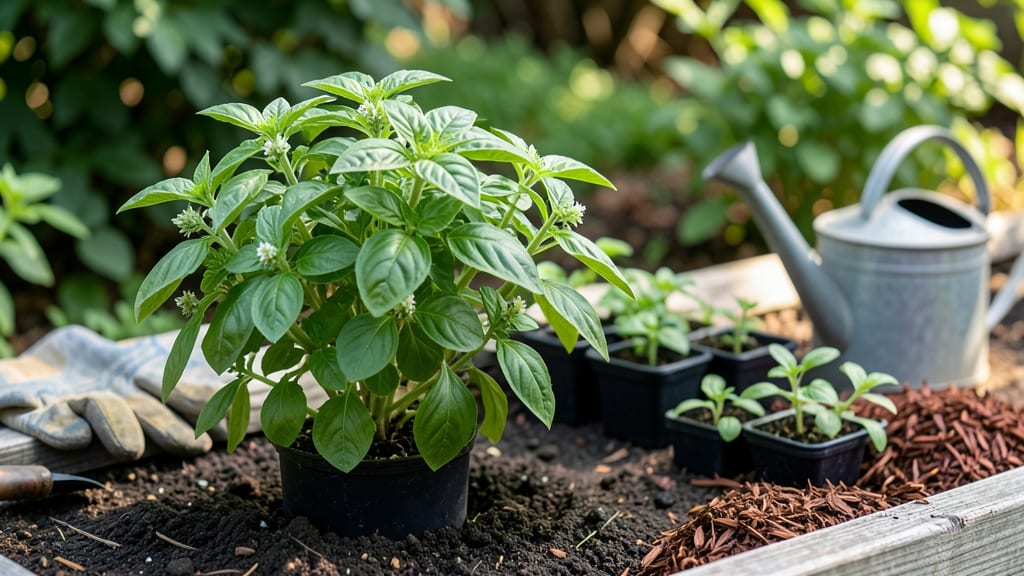
Planting basil in Oregon at the wrong time can turn your 🌿 dreams into a sad, leggy mess—especially when those late spring frosts sneak in or summer heat arrives too soon.
The key to bold, flavorful harvests lies in knowing exactly when to get those seeds in the ground, whether you're in the Willamette Valley or along the coast.
Most gardeners here wait until after the last frost (usually mid-April), but that’s just the starting point. What you really need is a strategy that accounts for Oregon’s 7b-9a zones, where soil warmth and microclimates can shift your ideal planting window by weeks.
Skip the guesswork and learn the precise timing that keeps your basil thriving from June through September.
I’ve grown basil in Oregon for years, and the difference between a 30-day harvest and a bolted, bitter plant comes down to three things: soil temperature, succession planting, and choosing the right varieties for our mild summers.
Let me walk you through the exact steps to avoid common mistakes and maximize your harvest.
From cold frames to companion planting, we’ll cover everything you need to know to turn your Oregon garden into a basil powerhouse—no more wasted seeds or disappointed pesto nights. Ready to grow the freshest basil you’ve ever tasted?
Oregon’s ideal basil planting windows by microclimate (Zone 8 vs. 9)
Oregon’s USDA Zones 8 and 9 create distinct planting windows for basil, where timing can mean the difference between a bountiful harvest and bolting plants.
The Willamette Valley (Zone 8) and coastal areas (Zone 9) experience different frost patterns, while inland regions like Bend or Pendleton face earlier spring warmth. Understanding these nuances ensures your basil thrives from June through September.
In Zone 8 (e.g., Portland, Eugene), the last frost typically occurs around April 15, but soil may not warm enough for basil until mid-May. Meanwhile, Zone 9 (e.g., coastal towns like Astoria) enjoys a longer frost-free season, allowing earlier plantings as early as late March.
The key is waiting until soil reaches 50°F (10°C)—cold soil stunts germination and invites rot.
Basil hates chilly, wet soil, so rushing to plant before the last frost can backfire.
In my Zone 8 garden, I’ve lost entire batches of seedlings to fungal diseases because I planted too soon. Succession planting is your best friend here—stagger seeds every 2 weeks from May to June to ensure a continuous harvest.
Here’s the breakdown of optimal planting windows by zone, including critical soil temperature thresholds and risks to avoid:
| Zone | Last Frost Date | Optimal Planting Window | Soil Temp Requirement (°F) | Risks of Early/Late Planting |
|---|---|---|---|---|
| Zone 8 (Willamette Valley) | April 15 | May 15–June 1 | 50°F+ (10°C) | Early: Fungal rot, poor germination; Late: Bolting from heat stress |
| Zone 9 (Coastal) | March 1–April 1 | April 1–May 15 | 50°F+ (10°C) | Early: Slow growth in cool coastal air; Late: Limited harvest before fall |
| Inland (e.g., Bend) | April 1–May 1 | May 10–June 10 | 55°F+ (13°C) | Early: Frost damage; Late: Heat bolting by July |
For container gardening, you can push these windows slightly earlier by using black plastic mulch or heat mats to warm soil faster. I’ve had success planting in containers by mid-April in Zone 8 when the pots sit on a heat mat.
Just monitor soil temps with a soil thermometer—it’s worth the investment!
If you’re in a high-elevation area (e.g., Mount Hood foothills), aim for June 1 as your cutoff. Basil planted after this may bolt by early August, turning bitter and flowering prematurely. Succession planting every 2 weeks until July 1 ensures fresh leaves all season.
Pro tip: Use a row cover if planting in late April—it adds 2–4°F of warmth to soil and protects seedlings from late frosts. I’ve used this trick in Zone 8 to extend my planting window by 10–14 days without risking bolting.
Remember, basil hates cold feet. Even if air temps are warm, cool soil will stunt growth. Test soil temps with a thermometer or press your hand into the ground—if it feels chilly to you, it’s too cold for basil.
5 Pro tips to extend basil’s harvest season in Oregon’s unpredictable spring
Oregon’s cool springs and sudden heat spikes can throw off basil’s growth cycle, but with these strategies, you can extend harvests from early summer to September. The key is adapting to microclimates—whether you’re in the Willamette Valley or the coastal regions.
Start basil indoors 4-6 weeks before your last frost date (typically mid-April) using a cold frame or heat mat. This gives seedlings a head start in Zone 8-9 soil that may still be chilly. I’ve found that transplanting hardened-off seedlings into the garden by late May yields stronger plants.
- Use a cold frame or heat mat to start seeds indoors by March—basil germinates best at 70-80°F.
- Hardening off seedlings for 10-14 days before transplanting prevents shock from Oregon’s damp springs.
- Choose compact varieties like ‘Spicy Globe’ for container growing, which tolerates cooler temps better.
- Plant in well-draining containers to avoid root rot from Oregon’s frequent rain.
- Use row covers for early outdoor plants to protect from late frosts (common in Zone 8 areas).
For succession planting, sow new seeds every 2-3 weeks from late May to early July. This ensures a continuous harvest through September, even as summer heat arrives.
I’ve had success with shade cloth (30-50%) during peak afternoon sun to prevent bolting in Zone 9 areas like Medford.
Companion planting is another game-changer. Basil thrives near tomatoes, peppers, and oregano, which repel pests like aphids and whiteflies. Avoid planting near rue or fennel, which stunt basil’s growth.
In my Portland garden, I pair basil with bush beans to maximize space and deter pests naturally.
Watch for bolting—when basil flowers prematurely—caused by heat stress or long daylight hours. If you see flower buds, pinch them off immediately to redirect energy to leaf growth.
I’ve also had luck using lightweight shade cloth during July-August to lower soil temps and delay bolting in hot inland valleys.
Finally, harvest regularly to encourage bushier plants. Pinch off the top sets of leaves when the plant reaches 6 inches tall—this prevents flowering and keeps basil productive for weeks longer. Store harvested leaves in airtight containers in the fridge for up to 10 days to preserve flavor.