
Plants
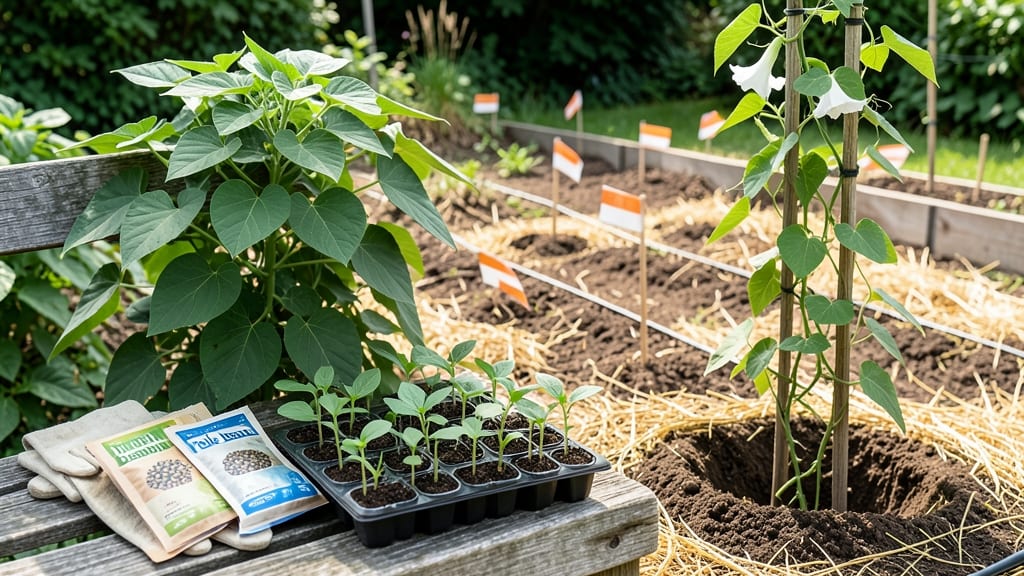
Timing your bean planting just right in Seattle can mean the difference between a bountiful harvest and a sad, frost-nipped failure. With the city’s unpredictable spring weather and chilly evenings, getting those seeds in the ground too early or too late throws off your entire growing season.
I’ve seen firsthand how a one-week mistake can turn 🌱 beans into a gamble—especially when urban microclimates like Ballard or West Seattle behave differently from rural areas. The key? Planting when soil temps hit 60°F and the last frost (usually around March 15) has passed for good.
In this guide, I’ll break down the exact windows for both spring and fall plantings, plus how to stretch your harvest with succession planting and frost protection.
Whether you’re growing bush beans on a balcony or pole varieties in your backyard, these tips will help you avoid common pitfalls and enjoy fresh pods from July through November.
Ready to stop guessing and start growing? Let’s dive into the perfect planting schedule for Seattle’s unique climate—so you can enjoy a garden full of crisp, homegrown beans all season long.
Seattle’s bean planting zones: when to start based on last frost dates
Seattle’s diverse microclimates mean your bean planting timeline should vary by neighborhood. The Puget Sound region (including West Seattle and Ballard) typically sees its last frost around April 15, while the Eastside (Bellevue, Kirkland) often warms up 1-2 weeks earlier.
For the South Sound (Tacoma, Olympia), push planting back to May 1 to avoid late frosts. Always check your local USDA Zone 8a guidelines—Seattle’s urban heat islands can create microclimates where soil warms faster than rural areas.
Beans need soil temperatures of 60°F+ to germinate properly. Use a soil thermometer to confirm—if it’s cooler, wait. In cold pockets (like higher elevations in the Cascades foothills), delay planting until May 15 or use row covers for early starts.
For container gardening on balconies, soil warms faster, so you can plant 2 weeks earlier than ground planting.
Here’s the breakdown for bush beans (compact, 1-2 ft tall) vs. pole beans (tall, 4-6 ft). Bush beans mature faster (50-60 days), so plant them first in late April to early May. Pole beans take 60-70 days, so wait until May 15 for them.
Both varieties thrive in Seattle’s 6+ hours of full sun—choose south-facing spots or use reflective surfaces to maximize light in shaded areas.
| Zone/Location | Last Frost Date | Ideal Planting Window | Soil Temp Threshold | Notes |
|---|---|---|---|---|
| Puget Sound (West Seattle, Ballard) | April 15 | April 20 - May 10 | 60°F+ | Urban heat islands may allow earlier planting |
| Eastside (Bellevue, Kirkland) | April 1 | April 10 - April 30 | 60°F+ | Warmer microclimate; watch for heat stress |
| South Sound (Tacoma, Olympia) | May 1 | May 10 - May 25 | 60°F+ | Later frosts; prioritize pole beans |
| Urban Containers (Balconies, Rooftops) | April 1 (soil warms faster) | April 15 - April 25 | 55°F+ | Use heat-retaining pots; monitor moisture |
| Cold Pockets (Higher Elevations) | May 15 | May 20 - June 1 | 65°F+ | Use row covers or cold frames |