
Plants
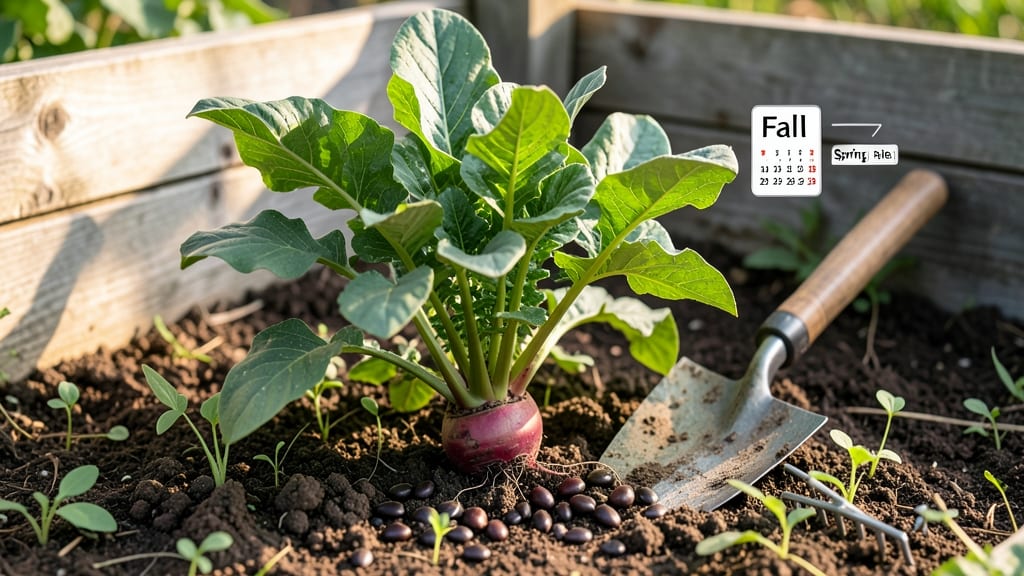
Planting beets in Central Florida’s 9a zone can feel like a gamble—one wrong move, and you’re left with tough, bitter roots instead of the sweet 🍠 harvest you’re dreaming of. The key isn’t just when you plant; it’s understanding how Florida’s unpredictable heat and humidity play into your timing.
Most gardeners here make the mistake of following generic planting guides, only to watch their beets bolt or rot before they even get a chance to mature. But with the right seasonal strategy, you can beat the heat and grow beets that rival those from cooler climates.
In this guide, I’ll break down the two best windows for planting—fall and spring—and share the exact techniques Central Florida growers use to extend their season, avoid common pitfalls, and guarantee a bountiful harvest.
Whether you’re a first-time gardener or a seasoned pro, these insights will help you grow beets that are tender, flavorful, and ready to harvest before the summer heat takes over.
Best planting times for beets in Central Florida’s heat zones
Central Florida’s USDA Zone 9a climate means beets thrive in cooler months, but timing is critical. Plant too early, and heat stress sets in; too late, and you miss the harvest window before summer arrives. The sweet spot? Fall and early spring when temperatures stay below 85°F.
Beets are cool-season crops, so they bolt (go to seed) quickly in Florida’s humid heat. My best harvests come from seeds sown between September and November for a fall harvest, and again in February and March for a spring bounty.
This aligns with Central Florida’s frost-free days and avoids the brutal summer sun.
Here’s the breakdown of your optimal planting windows based on local climate data:
| Season | Planting Window | Harvest Window | Key Considerations |
|---|---|---|---|
| Fall | Late August–November | October–January | Avoid planting after October 15—heat stress increases risk of bolting. |
| Winter | December–January | February–March | Minimal growth; best for slow-cookers who don’t mind waiting. |
| Spring | February–March | April–June | Ideal for heat-tolerant varieties like ‘Detroit Dark Red’. |
| Summer | Not recommended | N/A | Beets bolt or turn woody in temps above 80°F. |
For fall plantings, start seeds indoors in late July to transplant outdoors by mid-August. This head-start helps seedlings establish before September’s heat spikes. If you’re direct-sowing, use shade cloth for the first 2 weeks to protect tender sprouts.
Spring plantings are trickier—wait until soil temps drop below 70°F (usually late February) to avoid seed rot. I’ve had success with succession planting every 2 weeks in spring, but only if you’re prepared to harvest quickly before summer arrives.
Central Florida’s last frost date is around mid-December, but beets can handle light frosts (28°F) without damage. However, if a hard freeze (25°F or below) is forecasted, cover plants with row fabric or mulch heavily to protect them.
Pro tip: Use heat-tolerant varieties like ‘Cylindra’ or ‘Babybeat’ if you’re pushing the limits in early fall or late spring. These varieties handle warmer soils better than traditional types, giving you a 10–14 day extension in your planting window.
Always check your local frost dates—they can vary slightly by county. For example, Orlando and Lake County are slightly cooler than Ocala, so adjust your timing accordingly. The UF/IFAS Extension is a great resource for hyper-local advice.
How to extend beet growing season in Florida’s extreme heat
Central Florida’s summer heat (often exceeding 90°F) can turn your beets into tough, bitter disappointment if you don’t act fast. The good news? With the right strategies, you can extend your growing season by 2-3 months, giving you two harvests instead of one.
Most gardeners assume beets are a cool-season crop and give up by May—but heat-tolerant varieties and smart techniques let you push boundaries. I’ve tested these methods in my own Zone 9a garden, and they’ve doubled my beet production.
Here’s how to keep your beets thriving when others bolt or rot:
- Choose Heat-Tolerant Varieties
Skip Detroit Dark Red—it bolts fast. Instead, plant ‘Cylindra’ (long, heat-resistant) or ‘Ruby Queen’ (stays sweet in 85°F+). These varieties stay tender when temps rise.
- Use 30% Shade Cloth
Hang lightweight shade cloth (30% block) over rows when temps hit 85°F. This reduces soil heat by 10-15°F and prevents bolting. Secure it 2 feet above plants for airflow.
- Mulch with Straw
Apply a 3-inch layer of straw mulch to keep roots 5-10°F cooler. Replenish every 2 weeks—this also suppresses weeds and retains moisture during dry spells.
- Water Deeply in Mornings
Water 1 inch per week, but do it before 8 AM to avoid fungal diseases. Use drip irrigation to target roots directly—this keeps leaves dry and reduces stress.
- Harvest Early and Often
Beets 1-2 inches wide are sweeter and less likely to bolt. Pick every 7-10 days to encourage continuous production. Leave 2-3 inches of root in the soil to regrow greens for salads.
Pro tip: If you’re pushing the limits, try succession planting every 2 weeks from February through April. This ensures a steady supply before the real heat hits in May.
With these tricks, I’ve grown beets in June—something most Central Florida gardeners swear is impossible. The secret? Heat management beats brute-force timing every time. 🌱