
Plants
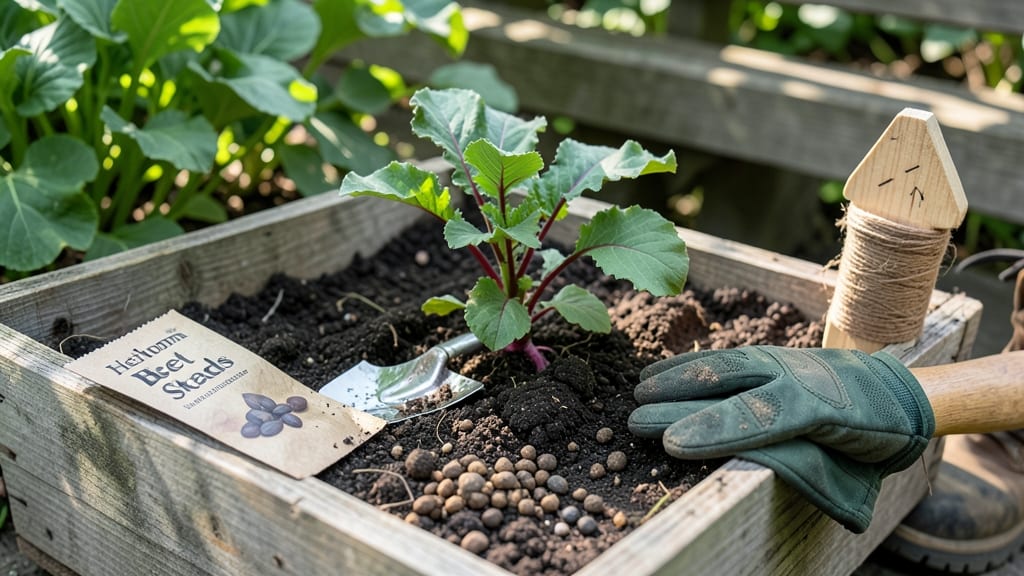
Planting beets in Illinois at the wrong time means woody roots and wasted effort—getting the timing right guarantees sweet, tender harvests straight from your garden.
The key is understanding your hardiness zone and Illinois' unpredictable frost patterns, which can vary from mid-April in northern areas to early May in southern regions.
For most of Illinois (zones 5-7), your best bet is to start seeds 4-6 weeks before your last frost date—typically between late March and early April. But don't stop there: a second planting in late July gives you a fall crop just in time for holiday meals.
Here's the game-changer: soil temperature matters just as much as calendar dates. Wait until the ground warms to at least 40°F for seeds to germinate reliably, and always plant ½ inch deep with 1-2 inches between seeds. This simple step makes all the difference in Illinois' variable climate.
I'll walk you through exact planting windows, soil prep tips, and how to stretch your harvest season—so you can enjoy crisp, colorful 🍠 beets from June through November without a single woody disappointment.
Best planting months for beets in Illinois by hardiness zone
Illinois spans USDA hardiness zones 5-7, but most home gardeners focus on zones 5 and 6 where beets thrive. The last spring frost typically arrives between mid-April and early May, while the first fall frost hits around mid-October.
These dates create a 165-day growing window—perfect for two beet harvests: one in early summer and another in late fall.
For spring plantings, aim to sow seeds 4-6 weeks before your last frost date. In northern Illinois (zone 5), this means early March to mid-April. In central/southern Illinois (zones 6-7), you can start as late as mid-April.
Soil temperatures should reach at least 40°F for germination—use a soil thermometer to confirm before planting.
Beets are cool-season crops, so they tolerate light frosts but won’t germinate in cold, wet soil. If your spring is unpredictable, use row covers to protect seedlings from late frosts.
For fall harvests, sow seeds 8-10 weeks before your first frost. This translates to late July to early August in most of Illinois.
| Planting Window | Zone 5 (Northern IL) | Zone 6 (Central IL) | Zone 7 (Southern IL) |
|---|---|---|---|
| Spring Planting | Early March–Mid-April | Mid-March–Early May | Late March–Mid-May |
| Soil Temp Requirement | 40°F+ | 40°F+ | 40°F+ |
| Fall Planting | Late July–Early August | Early July–Mid-August | Mid-June–Late August |
| Harvest Window | June–August (spring) / October (fall) | June–September (spring) / October (fall) | May–October (spring) / November (fall) |
| Key Tip | Use row covers for frost protection | Succession plant every 2 weeks | Extend fall harvest with cold frames |
To maximize your harvest, practice succession planting every 2-3 weeks during spring and fall. This ensures a continuous supply of fresh beets from June through November.
For example, if you plant your first batch in early April, follow up with seeds in mid-April, late April, and early May to stagger maturity.
If you’re in zone 7 (southern Illinois), you can even try a winter harvest by sowing seeds in September. These beets will mature slowly over winter and produce sweet, tender roots in early spring. Just cover them with straw mulch (6 inches deep) to insulate against freezing temperatures.
Pro tip: Check the Illinois State Climatologist’s frost date maps for your exact location. Cities like Chicago (zone 5) have later frost dates than Springfield (zone 6), so adjust your planting schedule accordingly. For real-time updates, visit the Midwestern Regional Climate Center website.
For container gardening, start seeds indoors 6-8 weeks before your last frost and transplant seedlings outdoors after soil warms. Use 5-gallon pots or larger to accommodate beet roots, which can grow up to 3 inches in diameter. Place containers in full sun (6+ hours daily) for best results.
Remember: Beets are day-length neutral, meaning they won’t bolt (flower prematurely) due to long daylight hours. This makes them ideal for Illinois’ variable summer weather, where heat waves can stress other vegetables. Just keep soil consistently moist to prevent woody roots.
Best planting months for beets in Illinois by hardiness zone
Illinois spans USDA zones 5-7, but even within these zones, frost dates vary dramatically—from mid-April in northern areas like Chicago to early May in southern regions like Springfield. This variation means your planting timeline should adjust based on your exact location and microclimate.
For zone 5 (northern IL), aim for late March to early April for spring plantings, while zone 7 (southern IL) can start as early as mid-February.
Beets are cold-hardy, but they won’t germinate in cold, wet soil. Wait until the soil temperature reaches at least 40°F—use a soil thermometer to check. In Illinois, this typically aligns with late March to early April for most regions.
For a fall harvest, plant your second crop 8-10 weeks before your first frost, usually between late July and early August.
| Zone | Spring Planting Window | Fall Planting Window | Soil Temp Requirement | Key Notes |
|---|---|---|---|---|
| Zone 5 (Northern IL) | Late March–Early April | Late July–Early August | 40°F+ | Use row covers for early frost protection |
| Zone 6 (Central IL) | Mid-March–Mid-April | Early July–Mid-August | 40°F+ | Ideal for succession planting |
| Zone 7 (Southern IL) | Mid-February–Early April | Mid-July–Late August | 40°F+ | Longer growing season allows multiple crops |
Don’t let Illinois’ unpredictable spring weather throw off your timing. If frost threatens after planting, cover seeds with lightweight row fabric until soil warms. For a continuous harvest, sow new seeds every 2-3 weeks during the growing season.
This staggered approach ensures you always have fresh beets ready to pull from the garden.
Pro tip: Mark your calendar 8-10 weeks before your average first frost (typically mid-October in Illinois) to plan your fall planting. This timing guarantees roots mature before cold sets in. Use cold-hardy varieties like Detroit Dark Red for fall crops—they tolerate cooler temperatures better than others.
Finally, test your soil before planting. Beets thrive in loamy, well-draining soil with a pH of 6.0-7.0. If your soil is heavy clay (common in Illinois), amend it with compost or sand to improve drainage. Well-prepped soil = fewer woody roots and sweeter harvests.
With these zone-specific guidelines, you’ll avoid the two biggest beet-growing mistakes in Illinois: planting too early (frost damage) or too late (woody roots). Stick to these windows, and you’ll enjoy crisp, vibrant 🍠 beets from June through November.