
Plants
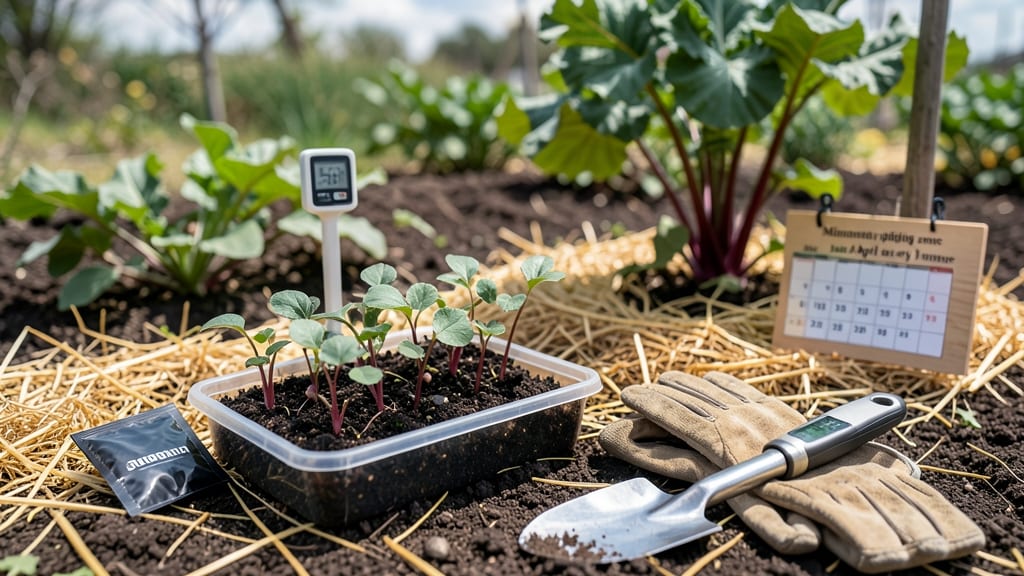
Planting beets in Minnesota isn’t just about checking a calendar—it’s about mastering the soil temperature game to unlock fast germination and sweet harvests. With the right timing, you can beat frost risks and enjoy crisp 🍠 roots by midsummer or fall.
Most gardeners in USDA zones 4a-5b miss the window by focusing on dates alone, but soil warmth is the real secret. Beets need temperatures above 40°F to sprout consistently—meaning early spring plantings often fail unless you prep the ground properly.
I’ll show you exactly when to start seeds (March 15 or September 1) and how to use mulch or row covers to shave 5+ days off germination time. Whether you’re growing in raised beds or containers, these tricks make all the difference in Minnesota’s unpredictable climate.
Ready to grow beets that outpace frost? Let’s dive into the soil science that turns slow starts into bountiful harvests—no guesswork required.
Minnesota beet planting calendar: exact dates by soil temperature zones
Timing your beet planting in Minnesota isn’t just about the calendar—it’s about soil temperature. Beets need 40°F+ soil to germinate, and Minnesota’s USDA Zones 4a-5b mean you’ll need to plan around frost dates and seasonal shifts.
Let’s break down the optimal planting windows for both spring and fall harvests, so you can grow sweet, tender roots every season.
For spring planting, start seeds indoors 4-6 weeks before your last frost date (typically April 20 in most of Minnesota). This gives you a head start on the 60-day growing season before summer heat sets in.
Outdoor planting should begin 2-3 weeks after your last frost, when soil temperatures consistently stay above 40°F.
Fall planting is your secret weapon for late-season harvests. Sow seeds 8-10 weeks before the first frost (around September 1-October 15) to ensure beets mature before winter sets in. This gives you a second harvest window when fresh, homegrown beets are hard to find in stores.
Here’s how to align your planting with Minnesota’s soil temperature zones and frost-free days for maximum success:
| Season | Planting Window | Soil Temp Requirement | Frost Risk | Harvest Window |
|---|---|---|---|---|
| Spring | March 15 - May 15 | 40°F+ (consistent) | Low after April 20 | June - July |
| Fall | September 1 - October 15 | 45°F+ (ideal) | High after October 15 | October - November |
| Succession Planting | Every 2 weeks (May-July) | 40°F+ | Moderate (summer heat) | July - September |
If you’re in northern Minnesota (Zone 4a), aim for late April or early May planting to avoid early frost. In southern Minnesota (Zone 5b), you can start as early as March 15 under row covers or in a greenhouse.
Always check your local frost-free date—it varies yearly and can shift your planting window by 1-2 weeks.
For container gardening, use black plastic pots to warm soil faster. Place containers in full sun and monitor soil temps with a soil thermometer—beets won’t germinate well below 40°F, even in ideal conditions. Pro tip: Soak seeds overnight before planting to jumpstart germination in cool soil.
Don’t forget about succession planting! Sow new seeds every 2 weeks from May through July to ensure a continuous harvest until frost. This works especially well for baby beets, which mature in just 45 days.
One common mistake? Planting too early when soil is still cold. Beets left in 40°F or below soil will rot instead of germinate. Use a soil thermometer to confirm temps before planting—it’s the #1 tool for Minnesota gardeners.
For fall harvests, prioritize fast-maturing varieties like ‘Detroit Dark Red’ or ‘Babybeat’, which can handle cooler temps better than larger varieties. Mulch heavily in late September to protect roots from early frost while still allowing growth.
Plan ahead for Minnesota’s unpredictable weather. Keep a planting journal to track soil temps, germination rates, and harvest success. Over time, you’ll fine-tune your schedule to beat frost and heat waves—just like the pros!
5 Soil temperature tricks to speed up beet germination in cold climates
Minnesota’s chilly springs can leave your beet seeds waiting weeks for warm soil to germinate. The key to faster sprouts lies in soil temperature manipulation—not just waiting for Mother Nature.
When soil hovers below 40°F, beet seeds may take 2-3 weeks to sprout instead of the ideal 7-10 days. Here’s how to trick your soil into warming up faster without sacrificing plant health.
Start by testing your soil’s temperature with a soil thermometer before planting. Aim for 50°F+ for consistent germination—this is often the difference between a thriving patch and a failed attempt.
In USDA Zone 4a (northern MN), this might mean waiting until late May, but with these tricks, you could push that window back by 2-3 weeks.
- 🔥 Black plastic mulch: Spread 1-2mm thick black plastic over beds 2 weeks before planting to raise soil temps by 10-15°F. Secure edges with soil to trap heat.
- 🌡️ Row covers: Use floating row covers (not plastic) after sowing to create a 5°F warmer microclimate. Remove when seedlings emerge to prevent overheating.
- 🌱 Companion planting: Interplant beets with onions or garlic—their shallow roots warm soil faster while deterring pests like beetles.
- 💧 Soak seeds overnight: Place seeds in lukewarm water (70°F) for 6-8 hours before planting. This jumpstarts germination by 24-48 hours in cold soil.
- ☀️ Clear plastic tunnels: Cover rows with clear plastic hoops (like mini greenhouses) to trap solar heat. Vent during sunny days to prevent overheating.
For the soaking method, I recommend using a mesh bag to avoid over-soaking—beet seeds can rot if submerged too long. After soaking, plant immediately in pre-warmed soil (even if just slightly above 40°F).
This combo of hydration and warmth can cut germination time by 3-5 days, giving you a head start in Minnesota’s short season.
Monitor your soil’s moisture too—dry soil heats up faster than damp soil, but beet seeds need consistent moisture to germinate. Water lightly before covering with mulch or row covers to create the perfect balance.
In my Zone 4b garden, I’ve seen germination improve from 18 days (unassisted) to just 10 days using black plastic + seed soaking.
Pro tip: Combine black plastic mulch with row covers for a double boost. Lay the plastic first, let it warm the soil for a week, then sow seeds and cover with the fabric.
This two-step approach can push soil temps to 55°F+ even in early May, making it ideal for early spring plantings.
Remember, the goal isn’t just faster sprouts—it’s stronger seedlings. Cold-stressed beets often grow leggy or weak, but these tricks ensure they emerge vigorous and ready to thrive. Start experimenting this season, and you’ll be harvesting sweet, plump beets weeks ahead of schedule! 🌱