
Plants
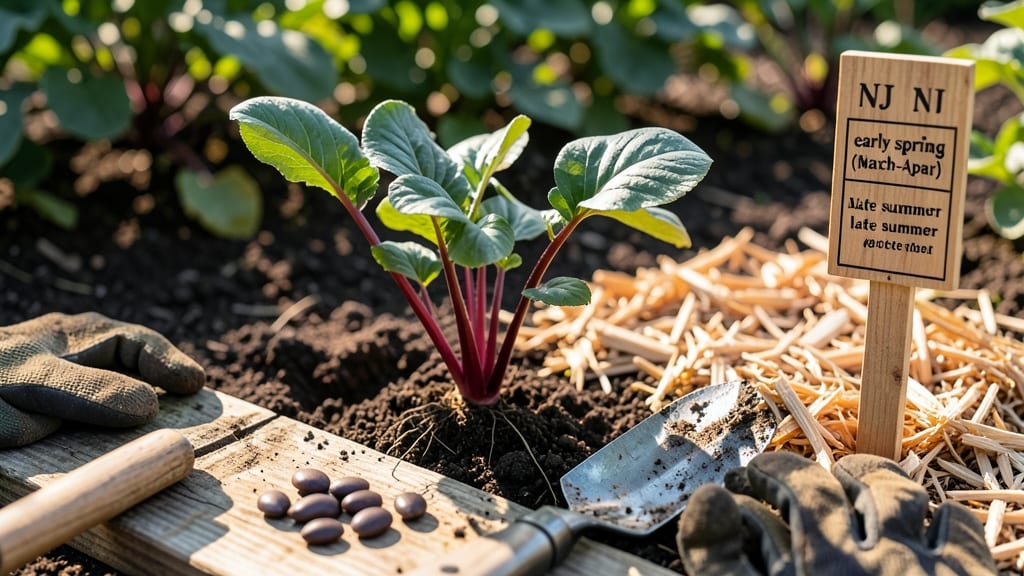
Timing is everything when you're growing 🍠 beets in New Jersey—plant them too early, and you risk bolting before harvest; too late, and the heat turns your roots tough and bitter.
The secret to sweet, tender beets lies in understanding NJ's 6b-7a climate, where frost dates shift from north to south.
I've learned the hard way that beets thrive when planted just as the soil warms to 50°F in spring, but also have a second chance in late summer when temperatures dip again.
Whether you're in northern NJ or closer to the shore, these windows make all the difference between a disappointing harvest and a garden full of colorful roots.
What you'll discover here is the exact planting schedule for two successful harvests—one in early spring and another in late summer—plus how to stretch your season with simple tricks like row covers. No more guessing whether your beets will bolt or rot; just proven timing tailored to your backyard.
Let's dive into the best months to plant, how to prep your soil, and why succession planting keeps your kitchen stocked from June through November. Your next beet harvest starts with the right timing.
Best spring planting times for beets in NJ to avoid bolting
New Jersey’s USDA Zones 6b-7a offer a short but sweet window for planting beets in spring. Timing is everything—plant too early and you risk frost damage, too late and you’ll trigger bolting (when beets flower prematurely).
The ideal time is 4-6 weeks before your last frost date, which in NJ typically falls around mid-April in the north and slightly earlier in the south.
For most of NJ, that means starting seeds indoors by late February or sowing directly outdoors in early March.
Southern NJ gardeners can push it a bit later, while northern areas like Sussex County should plant even earlier. Soil temperature is your best guide—wait until the ground warms to at least 45°F for direct sowing.
🌱
| Planting Window | Soil Temp | Frost Risk | Bolting Risk |
|---|---|---|---|
| Late February (Indoors) | N/A | Low | None |
| Early March (Outdoors) | 45°F+ | Moderate | Low |
| Mid-April (Outdoors) | 50°F+ | None | Moderate |
| Late April (Outdoors) | 55°F+ | None | High |
🌿 Key: Bolting risk increases with warmer soil temps and longer daylight.
To stretch your harvest, I recommend succession planting every 2 weeks from March through May. This ensures a steady supply of tender beets before summer heat sets in. For example, plant one batch in early March, another in mid-March, and a final batch in early April.
This way, you’ll have beets ready to harvest from late May through July.
One of my favorite tricks to delay bolting is to use shade cloth during the hottest part of the day. A 30-50% shade cloth can lower soil temps by 10-15°F, giving your beets more time to mature.
I’ve also had success with heat-tolerant varieties like ’Detroit Dark Red’ or ’Golden’, which handle NJ’s summers better than standard types.
Proper seed spacing is another game-changer. Sow seeds ½ inch deep and 1 inch apart in rows 12 inches apart. Thin seedlings to 3-4 inches apart once they’re 2 inches tall.
Overcrowding stresses plants and speeds up bolting, so don’t skip this step! I always mark my rows with stakes or string to keep spacing consistent.
💧
Watering plays a huge role in preventing bolting. Beets need consistent moisture, especially during their first 4-6 weeks of growth. Let the soil dry out even slightly, and you’ll trigger the plant’s survival mechanism—bolting.
Aim for 1 inch of water per week, delivered in the morning to reduce evaporation. Use a soaker hose or drip irrigation to keep water at the roots where it’s needed most.
Finally, don’t forget to loosen the soil before planting. Beets hate compacted soil, which can stunt root growth and make them more susceptible to bolting. Work in 2-3 inches of compost or well-rotted manure to improve drainage and fertility.
A light mulch of straw or grass clippings after planting helps retain moisture and keeps soil temps stable.
If you follow this schedule, you’ll avoid the bitter, woody roots that plague so many NJ gardeners. Instead, you’ll enjoy sweet, tender beets all season long—no bolting in sight! 🌻
Best spring planting times for beets in NJ to avoid bolting
New Jersey’s 6b-7a climate means your spring beet planting window is tight—just 4-6 weeks between last frost and summer heat. For most of NJ, that’s mid-March to early April, but timing shifts 1-2 weeks later in northern counties like Sussex versus southern areas near Camden.
I’ve found that soil temperature is your best guide: wait until the ground reaches 50°F at least 1 inch deep. Use a soil thermometer to check—cold soil slows germination and invites rot.
In cooler microclimates (like high elevations), you can start seeds indoors 4-6 weeks before your target outdoor date.
Here’s the NJ-specific breakdown you need to avoid bolting:
| Region | Last Frost Date | Ideal Planting Window | Soil Temp Goal |
|---|---|---|---|
| Northern NJ (Sussex, Passaic) | Mid-April | Late March to early April | 50°F+ |
| Central NJ (Mercer, Middlesex) | Early April | Mid-March to late March | 50°F+ |
| Southern NJ (Camden, Cape May) | Late March | Early March to mid-March | 50°F+ |
Pro tip: Succession plant every 2 weeks after your initial date to ensure a steady harvest. Beets mature in 50-70 days, so staggering plantings prevents a glut of oversized roots.
I like to mark my calendar with March 15, April 1, and April 15 as my key NJ planting dates.
Bolting risk spikes when days get long (14+ hours of light) and temps climb above 75°F. To delay bolting, choose heat-tolerant varieties like ‘Detroit Dark Red’ or ‘Chioggia’ and provide afternoon shade with row covers during peak summer heat. Mulching with straw also keeps roots cool.
For container gardeners, start seeds in 4-inch pots and transplant after soil warms. Just remember: beets hate root disturbance, so direct-sow is best for homegrown success. 🌱