
Plants
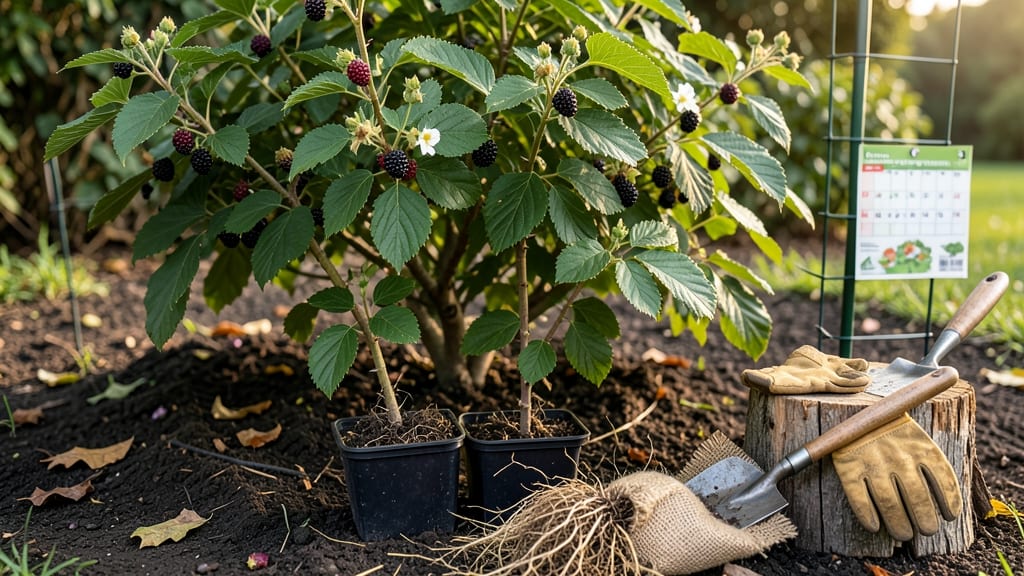
Planting blackberries in Louisiana’s sweltering heat and humidity can make or break your harvest—get the timing wrong, and your canes may struggle to establish before summer’s brutal peak. But with the right heat zone strategy, you can turn Louisiana’s climate into an advantage for juicy, bountiful berries.
If you’re in USDA zones 8a-9b, the best windows are late winter to early spring (February–March) or fall (September–October). These periods give your 🍇 canes time to root before the scorching summer heat sets in. Planting in summer? That’s a recipe for stress, not success.
Let’s break down exactly when to plant in North vs. South Louisiana, which varieties thrive here, and how to prep your soil for maximum survival. I’ll share my top tips to beat humidity and pests—so you can enjoy a thriving blackberry patch instead of wilting canes.
Ready to skip the guesswork and plant with confidence? I’ll walk you through the ideal schedule, from soil prep to post-planting care, so your blackberries get off to the strongest start possible in our unique climate.
Louisiana heat zones explained: best planting windows by region
Louisiana’s climate varies dramatically from the cooler hills of North Louisiana (USDA zones 7a-8a) to the steamy lowlands of South Louisiana (zones 8b-9a). These differences mean your blackberry planting window should shift based on where you live.
In North Louisiana, you’ll want to plant 4-6 weeks before the last frost (typically late February to early March), while South Louisiana growers can wait until mid-March to early April to avoid summer heat stress.
Blackberries thrive when planted during their dormant season, which means cooler temperatures help roots establish before the heat of summer. In zone 7a, your last frost date might be as late as March 15, giving you a narrow window to plant before spring warmth triggers growth.
Meanwhile, in zone 9a, you can push planting into early April without risking heat stress, as the soil stays cooler longer.
Another key factor is soil temperature. Blackberry roots need soil temps between 50°F and 60°F for optimal root growth. In North Louisiana, soil warms slowly, so planting in February gives roots time to establish before summer.
In South Louisiana, where soil heats up faster, wait until March or even April to avoid stunted growth from early heat exposure.
Here’s how Louisiana’s regions break down for blackberry planting:
If you’re in South Louisiana, consider a fall planting in September or October for a second chance. Fall-planted canes establish roots before winter dormancy, giving them a head start in spring. However, avoid planting in summer—the intense heat and humidity can cause root rot and poor establishment.
For bare-root blackberries, plant as soon as you receive them—don’t let roots dry out. If buying potted plants, wait until soil temps are consistently above 50°F to minimize transplant shock.
In North Louisiana, this usually aligns with late February, while South Louisiana can wait until mid-March.
One common mistake is planting too early in South Louisiana, where soil warms quickly. If you plant in January, roots may sprout too soon, leading to weak canes that struggle in summer heat.
Always check your local frost-free date and aim to plant 4-6 weeks before to ensure roots establish before active growth begins.
Pro tip: Use a soil thermometer to monitor temps. Blackberries need consistent moisture during establishment, so mulch heavily with straw or wood chips to retain soil moisture and regulate temperature. In zone 9a, this is especially critical to prevent heat stress.
Finally, choose heat-tolerant varieties like ‘Arapaho’ or ‘Natchez’, which perform well in Louisiana’s climate. These varieties handle humidity better than traditional types, reducing the risk of fungal diseases like anthracnose.
Step-by-step blackberry planting timeline for Louisiana growers
Louisiana’s humid climate and long growing season mean your blackberry planting schedule must account for both early spring and fall dormancy. The key is to plant when soil temperatures stay below 75°F—this prevents heat stress and gives roots time to establish before summer’s intensity.
For most of Louisiana (zones 8a-9b), this means focusing on February-March or September-October timelines.
If you’re in North Louisiana (closer to zone 7b), you’ll have a slightly earlier window—plant in late January to early February before the last frost (typically around February 15). In South Louisiana (zones 9a-9bmid-February to March or September to avoid summer’s peak heat.
Here’s my step-by-step timeline for planting blackberries in Louisiana, tailored to our climate’s quirks. I’ll cover soil prep, dormancy timing, and post-planting care to maximize survival rates—because in Louisiana, proper timing is half the battle.
-
Late January - Early February (North LA) / Mid-February - March (South LA)
🌱 Soil Prep: Test soil pH (ideal: 5.5-6.5) and amend with compost. Till to 12 inches deep for drainage. -
February - March
🍇 Planting: Space canes 4-6 feet apart in full sun. Plant bare-root or potted canes 2 inches deep with roots spread horizontally. -
April - May
💧 Watering: Keep soil moist but not soggy (1-2 gallons per plant). Mulch with 3-4 inches of straw to retain moisture. -
June - August
☀️ Heat Management: Prune overgrown canes to improve airflow. Use shade cloth (30%) if temps exceed 90°F. -
September - October
🍇 Fall Planting (Alternative): Repeat steps 1-2 for a second planting window. Ideal for South Louisiana to avoid summer stress. -
November - January
✂️ Pruning: Cut back old canes to ground level. Apply 2-3 inches of mulch for winter protection.
One critical tip for Louisiana growers: Avoid planting in summer—the heat will shock your canes, and humidity increases fungal risks like anthracnose. Instead, use the fall window (September-October) for a second chance if you missed spring. This gives roots time to settle before winter dormancy.
After planting, monitor for spider mites and blackberry rust, common in our climate. A weekly spray of neem oil in early spring can prevent outbreaks. For varieties, ‘Arapaho’ and ‘Natchez’ are my top picks—they handle our heat and humidity better than others.
Stick to this timeline, and you’ll see strong, thriving canes by next season—ready to produce sweet, juicy berries that Louisiana’s heat can’t touch. 🍇