
Plants
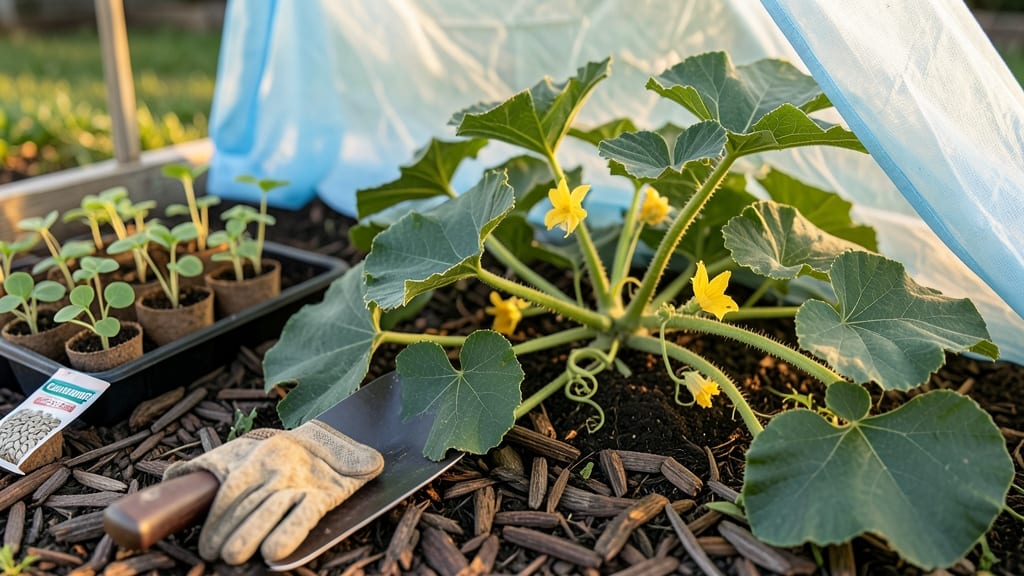
Planting cantaloupe in Missouri at the wrong time can mean the difference between a bountiful harvest and wasted effort. The key to growing sweet, ripe cantaloupe 🌱 lies in understanding your local frost dates and soil warmth—because these melons demand heat to thrive.
Missouri’s climate varies dramatically from north to south, so a one-size-fits-all approach won’t work. Whether you’re in St. Louis or rural areas near the Kansas border, timing your planting after the last frost (typically late April to early May) is critical—but soil temperature matters even more.
We’ll break down the exact heat-zone safe start dates to ensure your vines get off to the right start.
You might be tempted to rush planting when the weather warms up, but cantaloupe seeds need soil that’s at least 70°F to germinate properly. I’ll show you how to check soil temperature and adjust your planting schedule to avoid common mistakes that leave Missouri gardeners frustrated every year.
By the end of this guide, you’ll know exactly when to plant cantaloupe in Missouri—whether you’re starting seeds indoors for an early jump or direct-sowing outdoors. Let’s get those vines growing strong so you can enjoy homegrown melons all summer long.
Missouri cantaloupe planting dates by hardiness zone (with frost risk charts)
Missouri’s hardiness zones 5-7 create unique challenges for cantaloupe growers. Unlike frost-hardy crops, cantaloupe demands warm soil (at least 70°F) to germinate properly. Planting too early risks seed rot or stunted growth, while waiting too long cuts your harvest window.
Let’s break down the optimal planting dates for Missouri’s distinct regions.
The last frost dates vary dramatically across Missouri. Northern areas like St. Joseph typically see frost until mid-April, while southern regions like Poplar Bluff may be frost-free by mid-March.
However, cantaloupe won’t thrive until soil temperatures consistently reach 70°F+, which usually happens 2-4 weeks after last frost in most areas.
For direct sowing (planting seeds outdoors), aim for late April to early May in northern Missouri and mid-April in southern regions. If you prefer transplanting seedlings, start seeds indoors 4-6 weeks before your target outdoor planting date.
Missouri’s short growing season means timing is critical—most cantaloupe varieties need 75-90 days to mature.
Here’s a quick reference for Missouri’s key regions, including soil temperature thresholds and heat-zone readiness to help you plan:
| Region | Last Frost Date | Soil Temp Threshold | Direct Sow Window | Transplant Window |
|---|---|---|---|---|
| Northern MO (St. Joseph, Kansas City) | Mid-April | 70°F+ (late May) | Late May - Early June | Early May (start indoors) |
| Central MO (Columbia, Jefferson City) | Early April | 70°F+ (early May) | Mid-April - Late May | Late April (start indoors) |
| Southern MO (Poplar Bluff, Cape Girardeau) | Mid-March | 70°F+ (mid-April) | Late March - Early May | Early April (start indoors) |
| St. Louis Metro | Early April | 70°F+ (late April) | Late April - Early June | Mid-April (start indoors) |
If you’re in northern Missouri, don’t rush to plant! Waiting until soil temperatures hit 70°F+ (usually late May in Kansas City or early June in St. Joseph) ensures better germination and faster vine growth. Use a soil thermometer to check—it’s the most reliable way to avoid disappointment.
For urban gardeners in St. Louis, city heat islands can create microclimates where soil warms 1-2 weeks earlier than rural areas.
If your garden sits in full sun with concrete or pavement nearby, test soil temps in late April—you might be able to plant 2 weeks ahead of rural schedules.
Pro tip: Black plastic mulch can raise soil temperatures by 5-10°F, giving you an earlier start. Lay it down 1-2 weeks before planting to jumpstart your cantaloupe season. Just remember to remove it before harvest to avoid soil contamination.
Missouri’s unpredictable weather means even the best-laid plans can go awry. If you’ve planted too early and a late frost hits, don’t panic—cantaloupe vines are sensitive but resilient. Use row covers to protect young plants until they’re 6 inches tall, when they can tolerate cooler temps better.
To maximize your harvest, consider succession planting. Sow a second batch of seeds 2-3 weeks after your first planting. This stretches your harvest window and reduces risk if the first batch struggles. In southern Missouri, you might even get two full harvests in a season!
How to adjust cantaloupe planting for Missouri’s unpredictable weather patterns
Missouri’s weather can throw curveballs—one day it’s warm enough to plant, the next a late frost hits. To protect your cantaloupe vines, I’ve tested these strategies over the years. The key is flexibility and preparation.
Start by using a soil thermometer—cantaloupe seeds need soil at 70°F+ to germinate, and Missouri’s spring soil often lags behind air temperatures.
If your area experiences false springs (like late April in northern Missouri), don’t rush planting. Wait until the average last frost date has passed AND the soil is consistently warm.
For southern Missouri, this might be mid-April, while northern areas should wait until early May. Row covers can buy you an extra 2-3 weeks of planting time if you’re in a hurry.
Here’s my 3-step checklist to avoid common timing mistakes:
- Monitor soil temperature daily (not just air temp)
- Have row covers or a cold frame ready for early starts
- Plant succession crops every 2 weeks for extended harvests
For Missouri’s northern regions (like St. Louis), I recommend waiting until May 15 to plant outdoors. In southern Missouri (near Springfield), you can start as early as April 20.
The difference in frost risk is dramatic—northern areas see late frosts until May 10, while southern Missouri rarely drops below freezing after April 15.
Pro tip: Plant cantaloupe near bush beans or corn to improve soil warmth and deter pests. Avoid planting near potatoes or pumpkins, as they compete for nutrients. If you’re in a high-altitude area (like the Ozarks), add 1-2 weeks to your planting timeline—cooler nights slow growth.
Remember, cantaloupe vines need 60-90 days to mature. If you plant too late, you’ll miss the sweet spot before Missouri’s first fall frost (usually October 15). Start early, stay flexible, and you’ll enjoy homegrown melons all summer long. 🌿