
Plants
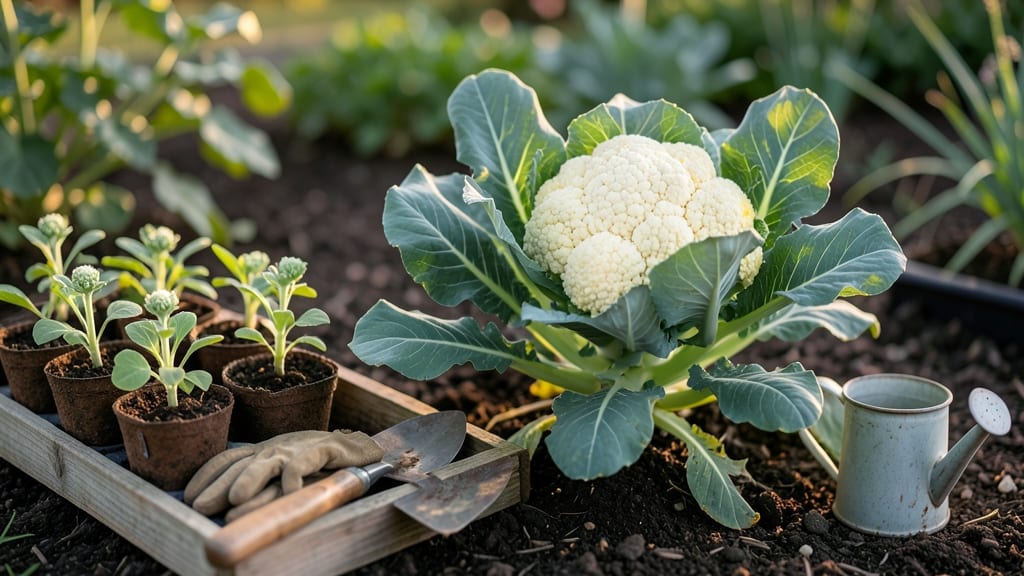
To grow crisp, flavorful 🥬 cauliflower in Zone 9b, timing is everything—plant too early and the heat will send your seedlings bolting, too late and you might miss the sweet spot for winter harvests.
The key is starting seeds indoors in late August or early September, then transplanting them before temperatures drop too low.
Zone 9b’s mild winters make it perfect for fall-planted cauliflower, but coastal areas like Southern California may need slight adjustments. The goal is to have mature heads ready by February or March, just before summer’s relentless heat returns.
With the right timing, you can enjoy homegrown cauliflower all winter long.
Whether you’re a first-time gardener or a seasoned grower, nailing the planting window is the first step to success. I’ll walk you through the exact dates, soil prep tips, and how to protect your plants from Zone 9b’s unique challenges—so you can avoid common mistakes and enjoy a bountiful harvest.
Ready to get started? Let’s break down the best planting schedule, from seed to harvest, so you can grow 🥬 cauliflower like a pro in your Zone 9b garden.
Best planting windows for cauliflower in Zone 9B: fall vs. spring timing
In Zone 9B, cauliflower thrives best when planted in late summer to early fall—this timing ensures your plants mature before winter temperatures drop too low. The ideal window is between August 15 and September 15, giving you a harvest window from December to March before summer heat returns.
Zone 9B’s mild winters make fall planting ideal, but coastal areas (like parts of Southern California) may need to adjust slightly due to cooler ocean breezes. Inland desert regions, like Phoenix, can plant a bit later since they retain more heat.
The key is avoiding bolting (premature flowering) caused by heat stress or frost damage (rare but possible in high-elevation areas).
For a second harvest, you can try planting in December or January, but this is riskier—your crop may mature just as summer heat arrives, leading to bitter or loose heads.
If you’re set on a spring harvest, start seeds indoors in February and transplant in March, but be prepared for bolting if temperatures rise too quickly.
| Planting Window | Soil Temperature | Harvest Window | Best For |
|---|---|---|---|
| Late August - Early September | 60-70°F (cooling soil) | December - March | Primary harvest (best flavor) |
| December - January | 55-65°F (cooler nights) | March - April (risky) | Second harvest (higher bolting risk) |
| February (indoors) / March (outdoors) | 65-75°F (warming soil) | May (if heat-tolerant variety) | Spring experiment (high bolting risk) |
If you’re in a coastal microclimate, like San Diego or Santa Barbara, you can push planting dates slightly later—September 1 to October 1—because ocean breezes keep nights cooler, reducing bolting risk.
In contrast, inland desert areas (e.g., Phoenix, Palm Springs) should plant earlier—mid-August—to avoid the intense late-summer heat that triggers bolting.
For succession planting, stagger your sowing by 2-3 weeks to extend your harvest. For example, start one batch in August 15 and another in September 1 to ensure a continuous supply from December through March.
This works best with fast-maturing varieties like ‘Snowball Y Improved’ or ‘Purple of Sicily,’ which take 50-70 days to harvest.
Always check your specific microclimate—even within Zone 9B, elevation and proximity to water bodies can shift ideal planting dates by 1-2 weeks. Use a soil thermometer to confirm temperatures are below 80°F at planting time; anything hotter will stress seedlings and cause bolting.
Pro tip: If you’re using row covers or a cold frame, you can extend your fall planting into early October, protecting your plants from unexpected chilly nights. Just remove covers during the day to prevent overheating.
Remember, cauliflower hates heat—once temperatures rise above 85°F, your plants will bolt or produce bitter, loose heads. The goal is to time your harvest for cool winter days (60-70°F) when the curds form tightly and taste sweet.
Best planting windows for cauliflower in Zone 9B: fall vs. spring timing
In Zone 9B, cauliflower thrives when planted during late summer to early fall (August-September) for a winter harvest. This timing avoids the brutal summer heat while allowing heads to mature before spring temperatures rise.
Coastal areas like Southern California may need earlier starts due to milder microclimates compared to inland desert regions.
For fall planting, start seeds indoors 8-10 weeks before your first frost (though Zone 9B rarely has frost, aim for late August). Transplant seedlings outdoors in September when soil temperatures drop below 80°F to prevent bolting. This schedule ensures harvests from January to March, just as spring approaches.
Spring planting is not recommended in Zone 9B because the heat arrives too quickly. If attempted, direct-sow seeds in December for a late spring harvest (May), but yields are often smaller and risk bolting. The fall window remains the gold standard for consistent, high-quality heads.
| Planting Window | Best Months | Soil Temp | Harvest Window | Zone 9B Notes |
|---|---|---|---|---|
| Fall Planting | August-September | Below 80°F | January-March | Ideal for most of Zone 9B; coastal areas can start slightly earlier. |
| Spring Planting | December | 55-65°F | May | Risky; heat stress likely; smaller yields. |
Adjust your planting schedule based on your local microclimate. Inland desert areas (e.g., Phoenix) should plant slightly later in September to avoid early heat spikes, while coastal regions (e.g., San Diego) can start seeds in early August.
Always monitor soil temperature—cauliflower roots prefer cooler conditions (60-70°F) to thrive.
For succession planting, sow a second batch in late October if your winter stays mild. This extends your harvest into early spring. Just be prepared to use row covers if temperatures dip below 50°F at night, as cauliflower is sensitive to cold snaps.
Remember, timing is everything in Zone 9B. Plant too early, and your cauliflower will bolt from the heat; too late, and you’ll miss the sweet spot for winter harvests. With these windows, you’ll be on track for crisp, homegrown heads that rival store-bought—without the plastic wrap!