
Plants
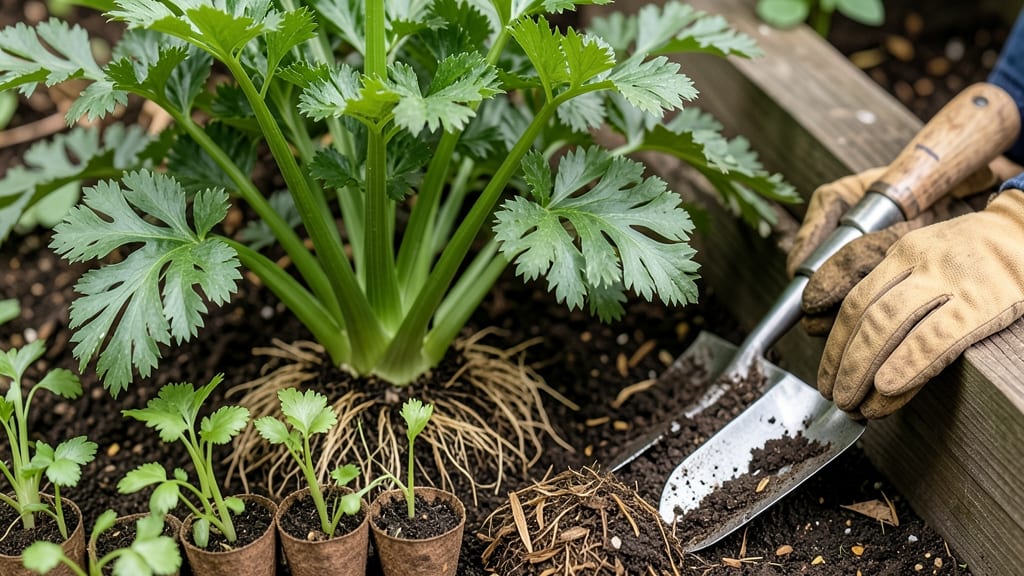
Planting celery in Florida at the wrong time means bitter, bolted stalks instead of crisp, flavorful harvests—so timing is everything. The key to success lies in those cooler months when temperatures stay between 55°F and 75°F, giving your 🥬 the perfect environment to thrive without rushing into bolting.
If you’ve ever wondered why your celery plants turn tough or flower prematurely, it’s likely because they were planted during Florida’s sweltering summer heat. The solution? Start seeds or transplants in September through November for fall harvests, or February through March for spring crops—both windows align with Florida’s mildest weather.
What makes this timing so critical? Celery hates heat—when temperatures creep above 80°F, it bolts (goes to seed) faster than you can say “soup season.” But with the right approach, you can stretch your growing season for continuous harvests from December through July.
I’ll walk you through the exact steps to prep your soil, space your plants, and care for them post-planting—so you can enjoy homegrown celery that’s sweeter, crisper, and ready to harvest at its peak. Let’s get started.
Optimal Florida celery planting windows by month (avoid bolting!)
Florida’s warm winters and humid summers create unique challenges for growing celery. Unlike northern states, you won’t need to worry about frost, but heat stress and bolting (premature flowering) become major threats. The key? Planting during cool-season windows when temperatures stay between 55°F–75°F—ideal for celery’s slow, steady growth.
Celery thrives in Florida’s fall and early spring, but even then, regional differences matter. Northern Florida (like Jacksonville) has slightly cooler winters, while Central/South Florida (Miami, Tampa) can still hit 80°F+ in December.
This means timing varies by microclimate—we’ll break it down month-by-month to keep your celery crisp, not bitter.
🌱
Florida Celery Planting & Harvest Timeline
| Month | Planting Window | Ideal Temp Range (°F) | Bolting Risk | Harvest Window |
|---|---|---|---|---|
| August | Late August (North FL only) | 70–80°F | High (heat stress) | October–December |
| September | Best window (statewide) | 65–75°F | Low | November–February |
| October | Prime time (all regions) | 60–70°F | Very Low | December–March |
| November | Last chance (North FL) | 55–65°F | Low | January–April |
| February | Early spring (statewide) | 65–75°F | Low | April–June |
| March | Risky (heat builds) | 70–80°F | Moderate | May–July |
| April–July | Avoid (bolting guaranteed) | 80°F+ | Extreme | N/A |
For Northern Florida (e.g., Gainesville), you have a slightly longer window because cooler nights delay bolting. Plant celery seeds in late August for a fall harvest, or transplants in early February for a spring crop. In Central/South Florida, focus on September–October plantings to beat the heat.
Here’s a pro tip: If you’re in South Florida and plant in August, use shade cloth (30–50%) to protect seedlings from intense afternoon sun. Without it, your celery will bolt within 4–6 weeks, turning bitter and woody.
💧
Temperature isn’t the only factor—soil moisture and consistent watering are critical. Celery hates dry spells, which trigger bolting faster than heat alone. In March, even if temperatures seem perfect, erratic rain patterns can stress plants.
Use drip irrigation or soaker hoses to maintain 1–2 inches of water weekly, especially in sandy Florida soil.
One common mistake? Planting celery too late in spring. By April, daytime highs often exceed 85°F, and your celery will bolt in 3–4 weeks.
If you’re determined to grow celery in summer, opt for container gardening with afternoon shade and daily watering—but expect smaller, less flavorful stalks.
🌡️
How to extend Florida’s celery growing season for continuous harvests
Florida’s long growing season might seem like a gardener’s dream, but celery struggles when temperatures climb above 75°F. The key to year-round harvests lies in strategic timing and protective measures.
By leveraging shade cloth, succession planting, and container gardening, you can trick celery into thriving even in summer’s heat.
Start by planting transplants instead of seeds—this cuts 6-8 weeks off your growing time. For urban gardeners, 5-gallon containers work perfectly, giving you mobility to move plants into shade when needed. I’ve had success with 30% shade cloth stretched overhead during 10 AM–4 PM, the hottest hours.
🌱
Succession planting is your secret weapon. Instead of one big batch, plant every 2 weeks from September through November. This ensures a steady supply of fresh celery while older plants mature. In North Florida (Zones 8a-9a), you can even squeeze in a late-winter crop (January) before spring heat arrives.
Watering is non-negotiable—celery wilts faster than a summer afternoon. Aim for 1-2 inches of water weekly, delivered in the early morning. Drip irrigation or soaker hoses work best, as they keep foliage dry and prevent fungal diseases.
I’ve seen celery bolt within 10 days when stressed by drought, so consistency is critical.
💧 For container growers, swap out soil every 2-3 years—celery depletes nutrients quickly. Mix in composted manure or a balanced 5-10-10 fertilizer at planting, then top-dress with fish emulsion every 6 weeks. This keeps your plants lush and bolt-resistant.
Pro tip: If you live in South Florida (Zones 10a-11), focus on winter crops (December–February) when temps dip to 60–70°F. Use row covers to protect from unexpected 50°F nights—celery’s growth stalls below 55°F.
With these tweaks, you’ll enjoy crisp celery stalks nearly year-round, not just in the ideal fall window.