
Plants
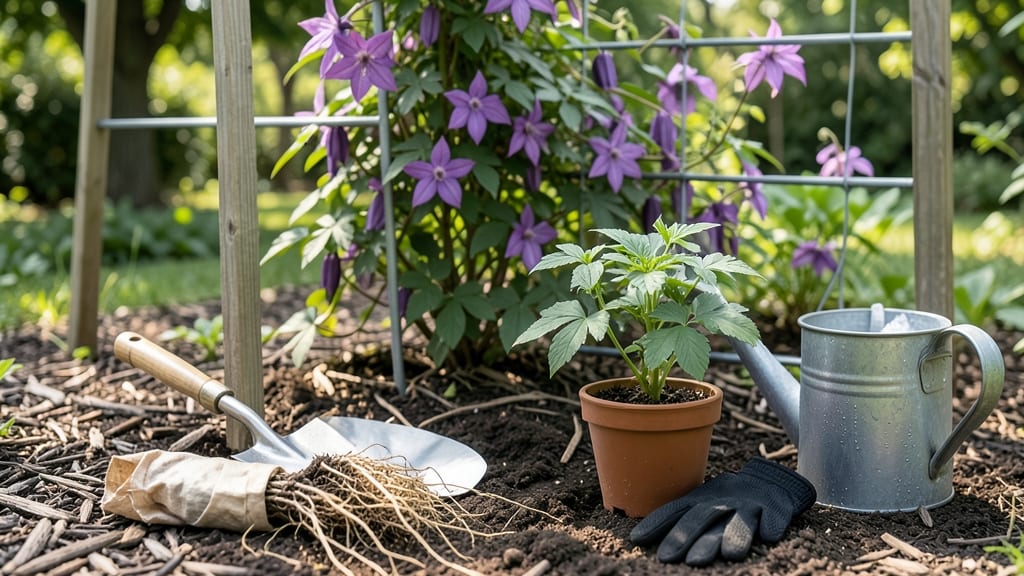
Planting your clematis at the wrong time in Zone 8 could mean waiting years for those stunning 🌸 blooms to appear. The key to success lies in understanding the delicate balance between soil temperature and frost risk—two factors that make timing everything for this fast-growing vine.
In Zone 8, where winters are mild but summers can be brutal, most gardeners swear by planting in early fall (September-October) when the soil is still warm but the air begins to cool.
This gives roots 6-8 weeks to establish before winter sets in, setting your clematis up for explosive growth come spring.
But there's a catch: if you miss fall, early spring (February-March) is your next best shot—just be ready to shield young plants from any lingering frost.
I'll walk you through exactly how to time it right, whether you're dealing with coastal Zone 8's humidity or inland areas with more dramatic temperature swings.
Once you get the timing down, the real secret is post-planting care—think mulching, watering schedules, and choosing the perfect spot. Let's make sure your clematis doesn't just survive Zone 8's climate, but thrives in it.
Best months to plant clematis in Zone 8 for optimal growth
Planting clematis in Zone 8 requires precise timing to ensure strong root establishment before summer heat arrives. Unlike cooler climates, Zone 8’s extended growing season means you have two prime windows—early fall and late winter—when soil temperatures are ideal for planting.
Missing these windows can lead to stress, poor growth, or even plant death during heatwaves.
In Zone 8, the last frost date typically falls around mid-March, while the first frost arrives in mid-November. This gives you a 215-day frost-free period, perfect for either fall or spring planting.
However, clematis roots thrive best when soil temperatures are 50–60°F (10–15°C), which aligns with these two seasons.
For optimal success, aim to plant your clematis between September and October (fall) or February and March (early spring). Fall planting allows roots to establish before winter dormancy, while spring planting gives the vine a head start before summer’s intensity. Let’s break down the specifics for each window.
| Planting Window | Soil Temp (°F) | Key Benefit | Zone 8 Timing |
|---|---|---|---|
| Early Fall | 50–60°F (10–15°C) | Roots establish before winter | September–October |
| Late Winter | 50–60°F (10–15°C) | Early growth before summer heat | February–March |
| Avoid Summer | Above 70°F (21°C) | Risk of transplant shock | June–August |
Zone 8’s microclimates can shift planting windows slightly. For example, coastal areas (like San Francisco) may have cooler, wetter falls, extending the ideal window into November. Conversely, inland regions (like Phoenix) might see earlier frosts, pushing fall planting to September.
Always check your local USDA Plant Hardiness Zone Map and historical frost data for precision.
When planting in fall, aim to finish by 6–8 weeks before the first frost to allow roots to anchor. In spring, plant as soon as soil is workable (typically February in most of Zone 8).
Rushing in late spring (April–May) risks exposing young roots to summer heat, stunting growth.
Pro tip: If you miss these windows, container planting is a great alternative. Containers warm up faster in spring and can be moved to shade during summer heat, giving you more flexibility with timing.
After planting, focus on consistent moisture and mulching to retain soil moisture. Clematis in Zone 8 can struggle with drought stress, so keep the soil evenly moist (but not soggy) for the first 6–8 weeks post-planting. Avoid overhead watering to prevent fungal diseases like powdery mildew.
Finally, prune wisely after planting. If you planted in fall, hold off on pruning until spring. For spring plantings, a light pruning to remove dead or damaged stems can encourage stronger growth. This sets your clematis up for vibrant blooms the following season.
Best months to plant clematis in Zone 8 for optimal growth
In Zone 8, where winters are mild but summers bring intense heat, timing your clematis planting can make or break its success.
The ideal window spans from late winter to early spring (February-March) or early fall (September-October), when soil temperatures hover between 50°F and 65°F—perfect for root establishment without stress.
Fall planting (September-October) gives roots 6-8 weeks to settle before winter, while spring planting (February-March) avoids late frosts that could damage tender new growth. Coastal areas may extend this window slightly due to milder microclimates, but inland gardeners should stick to these precise months to avoid heat stress.
For Zone 8 gardeners, soil temperature is the real game-changer. Use a soil thermometer to confirm readings—roots need 55°F+ to grow actively. If planting in fall, aim for 60°F soil to prevent dormancy before roots can anchor.
| Planting Window | Soil Temp | Root Growth | Zone 8 Notes |
|---|---|---|---|
| September-October (Fall) | 55°F-65°F | Moderate-Fast | Best for coastal areas; avoids summer heat |
| February-March (Spring) | 50°F-60°F | Slow-Moderate | Inland areas; protect from late frosts |
| August (Late Summer) | 70°F+ (Risky) | Very Slow | Only for established plants; high stress |
Pro tip: If you miss these windows, container planting gives you flexibility—just ensure pots have drainage and use well-draining soil mixes to prevent root rot in Zone 8’s humidity. I’ve had success with black plastic containers buried halfway in the ground to regulate soil temps.
After planting, mulch heavily (3-4 inches) with organic matter to retain moisture and protect roots from temperature swings. In Zone 8, this is non-negotiable—especially for young vines that haven’t built deep root systems yet.
Remember: Clematis in Zone 8 can bolt up 10+ feet in a season if planted correctly. The difference between a thriving vine and a struggling specimen often comes down to those first critical weeks of root growth—so don’t rush it! 🌸