
Plants
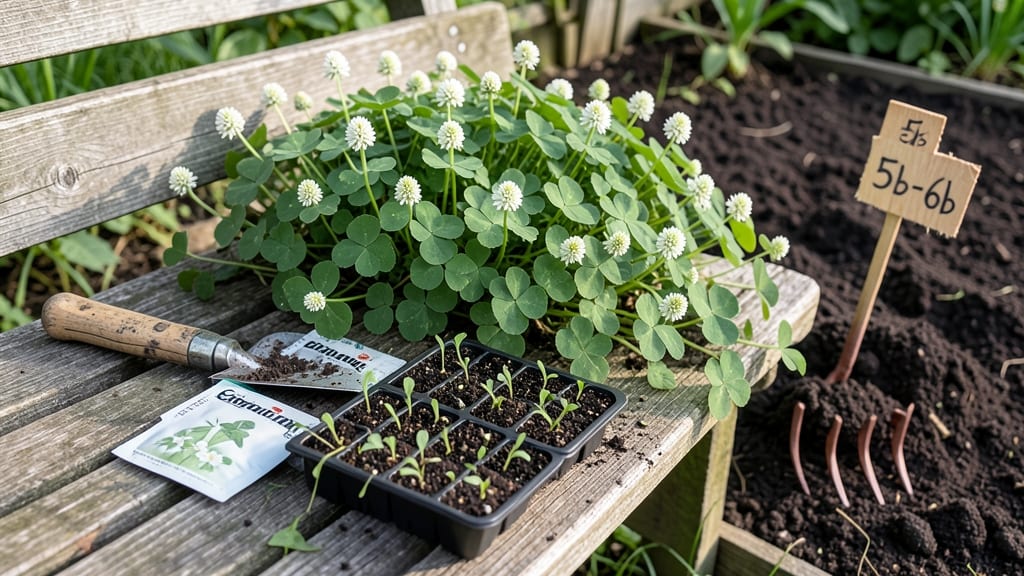
Planting clover in Massachusetts at the wrong time can mean wasted effort—or worse, a lawn that never takes off. The key to fast, lush growth lies in timing it right, whether you're sowing for a nitrogen-rich cover crop or a vibrant pasture.
With USDA zones 5b-6b bringing unpredictable frosts, knowing when to plant makes all the difference between success and disappointment.
Most gardeners in Massachusetts swear by two windows: early spring (March-April) or early fall (September-October). These periods align perfectly with soil temperatures and frost-free dates, giving clover the best shot to establish strong roots before summer droughts or winter freezes.
But here's the catch: planting too late in fall risks stunted growth, while late spring plantings may struggle to beat the heat.
If you're aiming for a fast clover cover, Dutch white clover thrives in Massachusetts' climate, while red clover prefers cooler early spring conditions. The right variety paired with the right timing can transform your soil in just 90-120 days.
Let me walk you through the exact steps to get it right—no guesswork, just results.
Ready to skip the trial-and-error? I’ll break down the best planting schedule for your region, soil prep tips, and how to avoid common mistakes that derail even the most eager gardeners. Your perfect clover patch starts with the right move—and it’s simpler than you think.
Optimal Massachusetts planting windows: early spring vs fall timing explained
Massachusetts gardeners face a delicate balance when planting clover—too early risks frost damage, while late plantings struggle against summer weeds and drought. The best windows for planting clover in Massachusetts are early spring (March-April) and early fall (September-October), aligning with soil temperatures and frost-free periods.
In USDA Zones 5b-6b, the average last frost date is April 15, making early spring ideal for clover seeds to germinate before summer heat arrives. Meanwhile, fall plantings should occur 6-8 weeks before the first frost (October 20) to allow roots to establish before winter dormancy.
Here’s how these two planting windows compare for Massachusetts:
| Factor | Early Spring Planting (March-April) | Early Fall Planting (September-October) |
|---|---|---|
| Soil Temperature | 45-55°F (optimal for germination) | 50-65°F (roots establish before frost) |
| Frost Risk | Low (post-April 15) | Moderate (avoid after October 1) |
| Weed Competition | Low (spring weeds haven’t peaked) | Low (fall weeds decline) |
| Establishment Time | 6-8 weeks (before summer drought) | 4-6 weeks (before frost) |
| Best For | Lawns, pastures, and cover crops | Cover crops and winter-hardy varieties |
For coastal Massachusetts (e.g., Cape Cod), aim for late March to early April in spring due to milder winters, while inland regions (e.g., Worcester, Springfield) should plant mid-April to early May to avoid late frosts. Fall plantings work best in September across all regions.
I recommend early spring plantings for most gardeners because they allow clover to establish before summer droughts and weeds take over. However, fall plantings are ideal for cover crops or areas with heavy summer foot traffic.
Pro tip: Use a soil thermometer to confirm temperatures are above 45°F before planting in spring or below 65°F in fall. This ensures optimal germination and root growth.
Regardless of timing, avoid planting clover in late spring (May-June)—summer droughts and weed competition make establishment nearly impossible. Instead, prioritize these two windows for the best results.
🌱
Optimal Massachusetts planting windows: early spring vs fall timing explained
Massachusetts' USDA zones 5b-7a create a unique challenge for clover planting—too early and frost zaps tender seedlings, too late and summer drought stifles growth. The ideal windows are early spring (March-April) and early fall (September-October), when soil temperatures hover between 50°F-65°F and moisture levels remain consistent.
Spring planting gives clover 6-8 weeks of warm weather to establish before summer heat arrives, while fall planting allows roots to develop before winter dormancy. Both strategies leverage Massachusetts' 165 frost-free days, maximizing your clover's nitrogen-fixing potential before weeds take over.
🌱 Key Insight: Coastal areas (like Cape Cod) can plant 1-2 weeks earlier than inland regions due to milder microclimates. Always check your last frost date—April 15 for most of Massachusetts—to avoid late-season risks.
🌱 Spring vs Fall Planting Comparison
| Factor | Early Spring (March-April) | Early Fall (September-October) |
|---|---|---|
| Soil Temp | 50°F-60°F | 55°F-65°F |
| Moisture Risk | Low (spring rains) | Moderate (fall rains) |
| Weed Competition | High (spring weeds) | Low (fall dormancy) |
| Establishment Time | 6-8 weeks | 4-6 weeks |
| Best For | Pastures, lawns | Cover crops, erosion control |
⚠️ Pro Tip: Avoid planting clover in late May-June—summer drought and heat stress will kill seedlings before establishment.
For spring planting, aim to sow seeds 2-3 weeks after your last frost date (typically mid-April). This gives clover enough time to germinate before summer's intensity peaks.
In contrast, fall planting should occur 6-8 weeks before your first frost (early October for most of Massachusetts) to allow roots to develop.
Regional variations matter—western MA (zone 5b) has shorter growing seasons than southeastern MA (zone 7a). Adjust your timing by 1-2 weeks based on your specific microclimate. Always monitor soil temperatures with a thermometer (ideal: 55°F+ for germination).
Both planting times offer advantages: spring gives year-round green cover, while fall establishes deep roots for next year's growth. Choose based on your goals—pasture improvement favors spring, while soil health benefits from fall plantings.
🌿 Remember: Test your soil's pH (6.0-7.5) before planting—clover thrives in slightly acidic to neutral conditions. Adjust with lime or sulfur if needed, and mulch lightly to retain moisture during establishment.