
Plants
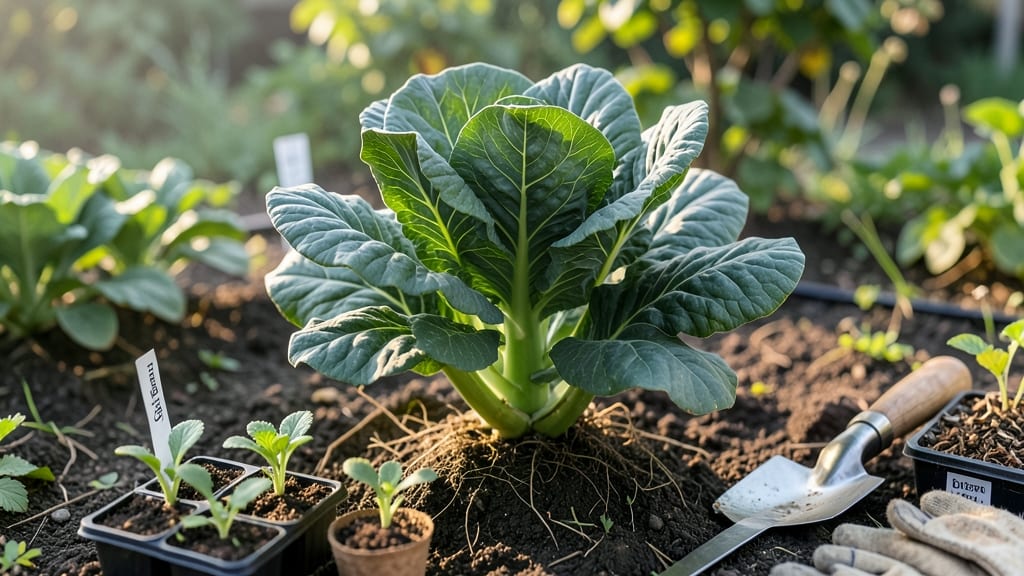
Timing your collard 🥬 planting in Georgia can mean the difference between sweet, tender harvests and bitter, bolted disappointment—especially in our 7b-9a zones where heat and humidity play tricks on even the most experienced gardeners.
Most gardeners assume spring is the only window, but Georgia’s mild winters and long growing season actually give you two prime chances to plant: late summer for fall harvests or early spring to beat the heat.
The key? Planting when soil temps stay below 85°F to prevent bolting, whether you’re in Atlanta’s cooler microclimate or Savannah’s humid coastal zone.
I’ve grown collards in Georgia for years, and the exact 4-week window I’ll share next will help you avoid the most common mistakes—like planting too early in summer heat or too late for winter harvests.
Let’s break down the ideal schedule so you can enjoy fresh collards from October through April (or year-round in milder winters).
Ready to stop guessing and start growing? Here’s how to time your plantings for maximum success, whether you’re a first-time gardener or a seasoned pro looking to refine your technique.
Best planting windows for Georgia collards: spring vs. fall timing explained
Georgia’s USDA zones 7b-9a create a unique growing environment for collards, where both spring and fall plantings thrive—but timing is critical. Plant too early in hot summer months, and your collards will bolt (flower) prematurely.
Plant too late, and you’ll miss the sweetest harvest windows before winter sets in.
For Georgia gardeners, the best planting windows are early spring (February–March) and late summer/fall (August–October). These periods align with soil temperatures that prevent bolting while maximizing leaf production. Let’s break down the exact dates and conditions for each season.
🌱 Soil Temperature Threshold: Collards germinate best when soil temps are between 50–75°F. In Georgia, this typically means waiting until after the last frost (mid-March for most regions) for spring plantings, or sowing seeds 4–6 weeks before the first frost (mid-November) for fall crops.
🌡️ Regional Variations: Northern Georgia (e.g., Atlanta) has cooler springs and earlier frosts, while Southern Georgia (e.g., Savannah) enjoys longer growing seasons. Adjust your planting dates 1–2 weeks earlier in the south and 1–2 weeks later in the north.
📅 Spring Planting (February–March):
- Start seeds indoors in late January to transplant in early February.
- Direct-sow outdoors by mid-February in Southern GA or early March in Northern GA.
- Avoid planting after April 1, as rising temperatures increase bolting risk.
🍂 Fall Planting (August–October):
- Sow seeds directly in late August for a late fall/winter harvest.
- For a spring harvest, plant in September–early October to overwinter.
- Use row covers in late fall to protect young plants from light frosts.
🌱 Georgia Collard Planting Comparison
| Season | Best Planting Months | Soil Temp (°F) | Key Considerations |
|---|---|---|---|
| Spring | February–March | 50–65°F | Avoid bolting; use shade cloth if temps rise above 75°F. |
| Fall | August–October | 60–75°F | Plant 4–6 weeks before first frost for winter harvest. |
| Winter (Overwinter) | September–October | 50–60°F | Use mulch to protect roots; harvest before spring heat arrives. |
Georgia’s microclimates play a huge role in success. For example, coastal areas like Savannah can plant collards earlier in spring (as early as January) and later in fall (up to November), thanks to milder winters.
Meanwhile, inland regions like Athens should wait until mid-March for spring and aim for October plantings to avoid frost.
🌡️ Heat Stress Warning: Collards bolt quickly when daytime temps exceed 80°F for prolonged periods. If you’re planting in late spring (April–May), use shade cloth (30–50%) to keep leaves tender and sweet. This is especially critical in South Georgia’s hotter zones.
For continuous harvests, stagger plantings every 2–3 weeks during your chosen window. For example, sow a batch in late August, another in early September, and a final one in mid-October to ensure fresh collards from October through March.
This method works equally well for spring plantings.
Pro tip: Test your soil before planting—collards thrive in slightly acidic to neutral soil (pH 6.0–7.0). Amend with compost or aged manure to improve fertility, especially if your soil is sandy or clay-heavy, common in Georgia’s varied landscapes.
Best planting windows for Georgia collards: spring vs. fall timing explained
Georgia’s USDA zones 7b-9a create two ideal windows for collards: early spring and late fall. Planting outside these times risks bolting—when collards rush to flower—due to heat stress or cold snaps.
Let’s break down the exact timing for North Georgia (cooler) vs. South Georgia (warmer) to maximize your harvest.
For spring plantings, aim for February to early March in North GA and March to early April in South GA. Soil temperatures should stay above 50°F (10°C) to prevent stunted growth.
In fall, plant September to early October for a winter harvest before the first frost (typically mid-November).
| Planting Window | North GA (Zones 7b-8a) | South GA (Zones 8b-9a) |
|---|---|---|
| Spring Planting | Feb 15 - Mar 15 | Mar 1 - Apr 10 |
| Fall Planting | Sep 1 - Oct 15 | Sep 15 - Oct 30 |
| Soil Temp Threshold | 50°F (10°C) | 50°F (10°C) |
| Key Risk | Late frost damage | Heat bolting |
In North Georgia, late frosts can still threaten young seedlings in March, so use row covers or plant in microclimates (like near south-facing fences). For South Georgia, avoid planting after April 10—the heat will trigger bolting within weeks.
Test soil temps with a soil thermometer ($10 at garden centers) to confirm readiness.
Pro tip: Direct sow seeds 1/4 inch deep, 18 inches apart, in well-draining soil with a pH of 6.0-7.0. Amend clay-heavy Georgia soil with compost to improve drainage. Mulch with straw to retain moisture and suppress weeds—critical in Georgia’s humid summers.
If you miss the ideal windows, don’t despair! Succession planting every 2 weeks in fall can extend harvests. Just avoid planting in summer heat—collards hate temperatures above 85°F (29°C). For a year-round supply, pair spring and fall crops with cold-hardy varieties like ‘Georgia Southern’ or ‘Vates’. 🥬
Remember: Timing beats everything in Georgia’s climate. Plant too early, and you’ll fight pests; too late, and you’ll lose to heat. But nail these windows, and you’ll enjoy sweet, tender collards from October through April—just in time for holiday meals! ☀️