
Plants
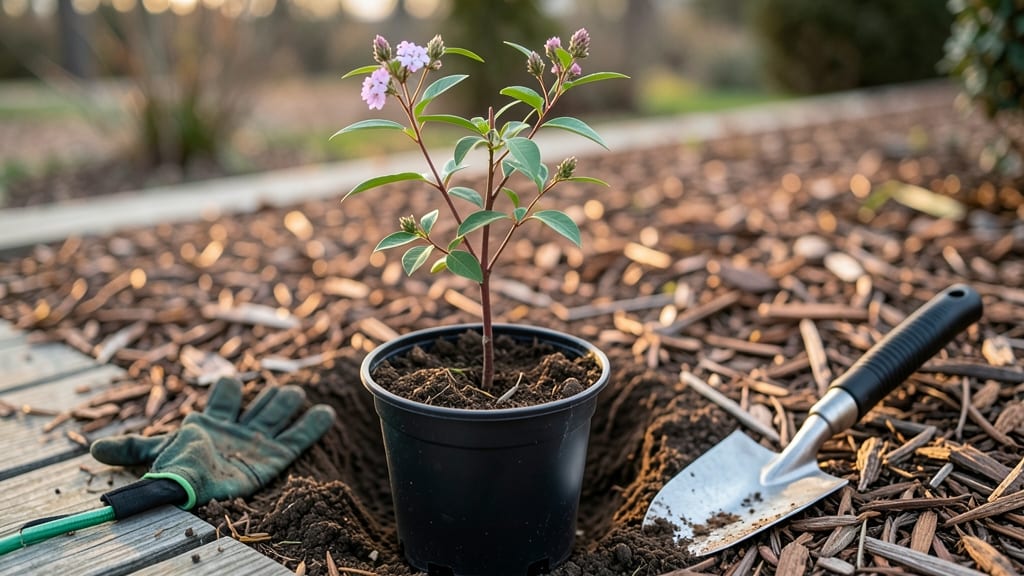
Planting your 🌸 crepe myrtle at the wrong time in North Carolina could mean the difference between a thriving tree and one that struggles—or worse, never takes root.
The key isn’t just picking a season but understanding your USDA zone, soil warmth, and those sneaky late frosts that can catch even experienced gardeners off guard.
For most of North Carolina—especially zones 6a-8b—the sweet spot is late winter to early spring, when soil temperatures hit 55-65°F and the danger of frost has passed.
But here’s the catch: if you’re in the Piedmont, you might need to wait until mid-April, while Coastal areas can often start as early as March. Getting this timing right means stronger root growth and bigger blooms come summer.
There’s also a second chance: early fall planting (September-October) works surprisingly well, giving roots time to establish before winter. The trick? Avoid waterlogged soil and keep an eye on those first frost warnings—because even a light freeze can set your young 🌸 crepe myrtle back months.
Whether you’re digging in the ground or planting in containers, I’ll walk you through the exact deadlines, soil prep secrets, and how to adjust for your specific corner of North Carolina. Let’s get those roots growing the right way.
North Carolina USDA zones 7-8: exact planting months for crepe myrtles by variety
North Carolina’s USDA zones 7-8 create the perfect climate for crepe myrtles, but timing your planting is everything. These zones experience 180-240 frost-free days, meaning you’ve got a narrow window to get your trees in the ground before summer heat or winter chills set in.
For standard varieties like ‘Natchez’ or ‘Muskogee,’ aim for March to early April—right after the average last frost date of March 15.
This gives roots 6-8 weeks to establish before summer’s heat peaks. Dwarf varieties like ‘Acoma’ or ‘Tonto’ can handle slightly earlier planting in late February if soil temps stay above 55°F.
Soil temperature is your best indicator—crepe myrtles thrive when soil reaches 60-65°F. Use a soil thermometer to check before planting. In zone 7a (western NC), you might push planting to early April to avoid late frosts, while zone 8b (coastal areas) can start as early as February 15.
Weeping varieties like ‘Tonto’ or ‘Catawba’ need extra care—their delicate branches can break if planted too early. Wait until April 1 in cooler zones to ensure sturdy growth before summer storms hit.
Crepe Myrtle Planting Guide by Zone & Variety
| Zone | Variety Type | Best Planting Window | Soil Temp Requirement | Key Consideration |
|---|---|---|---|---|
| 7a (Western NC) | Standard ('Natchez', 'Muskogee') | March 20 - April 15 | 60-65°F | Avoid late frosts; mulch heavily |
| 7b (Piedmont) | Dwarf ('Acoma', 'Tonto') | March 1 - April 10 | 55-60°F | Smaller root systems need warmer soil |
| 8a (Central NC) | Weeping ('Catawba', 'Pocomoke') | February 20 - March 30 | 60°F+ | Delicate branches need stable temps |
| 8b (Coastal NC) | All varieties | February 15 - April 1 | 55-65°F | Higher humidity; watch for fungal risks |
| All Zones | Fall Planting | September 15 - October 15 | 60°F+ | 6-8 weeks before first frost |
⚠️ Pro Tip: Container-grown crepe myrtles can be planted 2-3 weeks earlier than bare-root varieties.
If you miss the spring window, don’t panic—fall planting (September-October) works beautifully in NC. The key is getting roots established before the first frost (November 1). In zone 8b, you can push fall planting to mid-October, but avoid planting after October 15 in cooler zones.
For container planting, timing shifts slightly. You can plant 2-3 weeks earlier than in-ground varieties since containers warm up faster. Just ensure your pots have drainage holes and use lightweight potting mix to prevent root rot during NC’s humid summers.
One common mistake? Planting too late in spring. If you wait until May or June, your crepe myrtle will struggle to establish roots before summer’s heat sets in. Look for new leaf growth on your nursery plants—this signals they’re ready for transplanting.
Remember: Mulching is non-negotiable in NC’s climate. Apply 3-4 inches of mulch around your new plant to retain moisture and regulate soil temperature. Use pine straw or shredded bark—they break down slowly and won’t compact like leaves.
🌸
North Carolina USDA zones 7-8: exact planting months for crepe myrtles by variety
North Carolina’s USDA zones 7-8 offer two prime windows for planting 🌸 crepe myrtles: late winter to early spring (March-April) and early fall (September-October).
But timing varies by zone—zone 7a gardeners should wait until mid-April to avoid late frosts, while zone 8b can start as early as late February in Coastal areas.
The golden rule? Plant when soil temperatures reach 55-65°F and stay consistent. Use a soil thermometer—crepe myrtles hate cold, soggy roots. For dwarf varieties (like 'Arapaho'), aim for mid-March in Piedmont regions, while standard trees (like 'Natchez') thrive when planted in April.
Here’s your zone-specific planting calendar for crepe myrtles in NC:
| USDA Zone | Best Planting Month | Soil Temp Goal | Variety Notes |
|---|---|---|---|
| 7a (Piedmont) | Mid-April | 55-60°F | Wait for last frost; dwarf varieties OK |
| 7b (Coastal Plains) | Late March | 58-62°F | Early bloomers like 'Tonto' thrive |
| 8a (Mountains) | Early April | 60-65°F | Standard trees need extra mulch |
| 8b (Coastal) | Late February | 60°F+ | Weeping varieties like 'Pocomoke' OK |
For fall planting, aim for September-October—roots establish before winter, and you avoid summer heat stress. Just check your local first frost date (usually November 1 in NC) and leave 6-8 weeks between planting and frost.
Pro tip: If you’re in zone 7a and miss spring planting, don’t despair—container-grown crepe myrtles can handle a late-April transplant as long as you water deeply and use mulch to retain heat. Just avoid planting after June 1, or new roots won’t mature before winter.
Remember, soil prep is half the battle. Amend heavy clay with compost and ensure good drainage—crepe myrtles hate soggy feet. Once planted, give them 1-2 inches of water weekly until established (about 2 years for standard trees).