
Plants
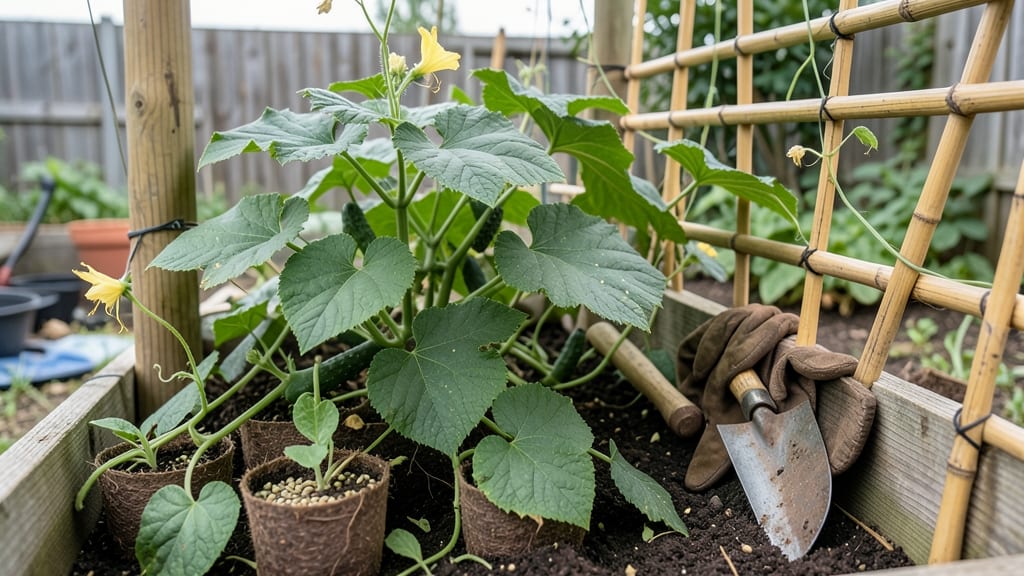
Planting cucumbers 🥒 at the right time in Pennsylvania can make or break your harvest—get it wrong, and you might end up with wilted vines or stunted fruit before summer even kicks in.
Most gardeners in zones 5b-7a wait until after the last frost, typically around April 15, but soil temperature matters just as much as calendar dates. If you plant too early, cold soil can stunt growth, while waiting too long risks heat stress before cucumbers even sprout.
Whether you're direct-sowing seeds or using transplants, timing is everything. I’ll break down the best planting windows for your specific zone, plus pro tips to extend your growing season so you can enjoy fresh cucumbers from June through October.
Ready to avoid common mistakes and maximize your yield? Let’s dive into the perfect planting schedule for Pennsylvania’s climate—and how to keep your cucumbers thriving once they’re in the ground.
Pennsylvania last frost dates by hardiness Zone: when to plant cucumbers for maximum yield
Pennsylvania’s diverse climate means your cucumber planting window can vary by 1-2 weeks depending on whether you're in Pittsburgh (Zone 6b) or Philadelphia (Zone 7a).
The average last frost date ranges from April 15 in southern PA to May 1 in the north, but soil temperature is the real game-changer for cucumbers.
Cucumbers need soil temps of 60°F+ to germinate properly, and nighttime temps above 50°F to thrive. In cooler zones like Erie (Zone 6a), you might need to wait until mid-May—even if frost risk is low.
Always check a heat map like the National Gardening Association’s or use a soil thermometer to confirm readiness.
Here’s how to use USDA hardiness zones to pinpoint your ideal planting window:
| Zone | Last Frost Date | Soil Temp Goal | Planting Window |
|---|---|---|---|
| 5a (e.g., Scranton) | May 1 | 60°F+ | May 15–June 1 |
| 6a (e.g., State College) | April 25 | 60°F+ | May 1–May 15 |
| 6b (e.g., Pittsburgh) | April 15 | 60°F+ | April 30–May 10 |
| 7a (e.g., Philadelphia) | April 1 | 60°F+ | April 15–April 30 |
For direct sowing (planting seeds straight into the ground), aim for 2 weeks after your zone’s last frost date. If you’re using transplants, you can start 1 week earlier since they’re already established.
In Zone 7a, that might mean planting as early as April 15—but be ready to cover seedlings if a late frost hits.
PA’s unpredictable spring weather can throw off even the best-laid plans. I’ve seen late-May frosts in the Poconos and early-June heat waves in Lancaster County. To hedge your bets, use row covers or plant in black plastic mulch to warm the soil faster.
This can shave 1-2 weeks off your planting window.
Another trick? Succession planting every 2 weeks after your initial date. This ensures a continuous harvest from June through October, even if your first batch gets hit by powdery mildew or cucumber beetles.
Just remember: cucumbers are fast growers—they’ll bolt (flower and fruit) in 45-70 days, depending on the variety.
If you’re in Zone 5a or 6a, consider starting seeds indoors 3-4 weeks before your last frost date. Use grow lights or a sunny windowsill to get them 2-3 inches tall before transplanting.
This gives you a head start on the season and helps avoid early blight, which thrives in cool, wet conditions.
Pro tip: Monitor your local weather for heat advisories too. Cucumbers wilt in temps above 90°F, so if you’re planting in June or July, provide afternoon shade with row covers or shade cloth. This keeps your plants productive longer into fall.
Finally, don’t forget that first frost in PA typically hits around October 15, but harvest before temps drop below 50°F at night. If you’ve got unripe cucumbers on the vine, pick them early and let them ripen indoors—they’ll still taste great!
By aligning your planting with local frost dates, soil temps, and variety maturity, you’ll maximize your cucumber yield and avoid the heartbreak of a frost-killed crop. Happy planting! 🌱
Best cucumber varieties for Pennsylvania’s climate: heat-tolerant vs. early-maturing options
Pennsylvania’s variable climate—from cool mountain valleys to hot city heat islands—demands cucumber varieties that can handle unpredictable springs and sweltering summers. Some varieties thrive in shorter growing seasons (like those in USDA Zone 5b), while others excel in longer, hotter summers (common in Zone 7a).
Choosing the right type ensures you avoid bitter fruit or poor yields.
For early harvests, opt for short-season varieties like 'Straight Eight' or 'Bush Champion,' which mature in 50-55 days. These are perfect for northern PA where summers are brief.
Meanwhile, heat-tolerant varieties like 'Lemon Cucumber' or 'Marketmore 76' handle 90°F+ temps without wilting, ideal for southern PA or urban areas like Philadelphia.
🌱
If you’re in Pittsburgh or the Poconos (Zone 5b-6a), prioritize early-maturing varieties like 'Straight Eight' or 'Bush Champion' to beat early fall frosts. For Philadelphia or Harrisburg (Zone 6b-7a), lean toward heat-tolerant types like 'Lemon Cucumber' or 'Marketmore 76' to avoid bitter, seedy fruit during July heatwaves.
Pro tip: Pair vining varieties (like 'Marketmore') with trellises to save space and improve air circulation, reducing disease risk in PA’s humid summers. For container gardening, choose bush types like 'Bush Champion' to avoid overcrowding in pots.
🌿
Once you’ve picked your variety, align planting with soil temperatures (aim for 60°F+) and local microclimates. For example, urban heat islands in cities like Allentown may allow earlier planting by 1-2 weeks compared to rural areas. Always monitor nighttime temps—cucumbers wilt if exposed to below 50°F.