
Plants
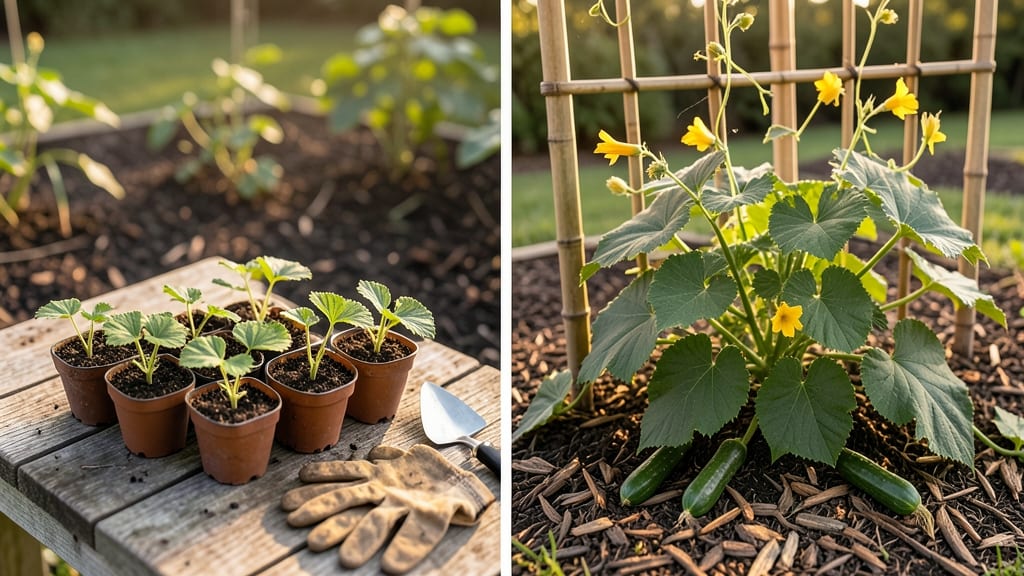
Planting cucumbers in South Florida might seem tricky with its year-round heat, but timing your 🥒 harvests right can mean the difference between a few sad fruits and a garden bursting with crisp, homegrown cucumbers.
Unlike northern climates, South Florida’s 10a-11 zones let you grow cucumbers almost any month—but that doesn’t mean you should. The key is avoiding the brutal summer heat when plants bolt too fast or struggle with pests.
Instead, I’ve found that fall and early spring give the best balance of warmth and manageable humidity.
What if you want cucumbers year-round? The secret is staggered planting—spreading out seeds every 2-3 weeks to keep your garden producing fresh cucumbers without overwhelming you. I’ll show you the exact schedule that works in Miami, Orlando, and Tampa’s microclimates.
Ready to grow cucumbers that thrive in Florida’s climate? You’ll also discover which heat-tolerant varieties perform best and how to beat common pitfalls like sunscald or powdery mildew. Let’s get started!
Optimal planting dates for cucumbers in South Florida’s microclimates
South Florida’s frost-free year-round climate means cucumbers can technically grow anytime, but timing matters to avoid heat stress or disease pressure. The key is planting when soil temperatures stay above 60°F—a threshold cucumbers need to thrive.
In Miami and Homestead, you can start as early as January, while Orlando and Tampa may wait until February due to slightly cooler inland temperatures.
For maximum yield, I recommend staggered plantings every 2-3 weeks from January through September. This ensures a continuous harvest and prevents overcrowding in the heat. Early plantings in winter benefit from cooler temps, while summer plantings require extra care to protect vines from 90°F+ heat.
Here’s how microclimates affect planting: Coastal areas like Miami-Dade have warmer soil earlier, while inland zones like Polk County may need to wait 2-3 weeks longer. Even within cities, shade from buildings can delay soil warming by 1-2 weeks.
🌱
| Region | Best Planting Window | Soil Temp Goal | Key Consideration |
|---|---|---|---|
| Miami/Dade | Jan–Mar, Aug–Sep | 60°F+ (soil warms fast) | Humidity increases fungal risk |
| Orlando/Lake | Feb–Apr, Jul–Aug | 65°F+ (cooler inland) | Afternoon thunderstorms common |
| Tampa/St. Pete | Jan–Feb, Aug–Sep | 62°F+ (moderate coastal) | Salt spray near coast |
| Everglades | Year-round (shade needed) | 60°F+ (shaded beds) | High humidity + poor airflow |
Avoid planting cucumbers in peak summer (June–July) unless you’re using shade cloth or drip irrigation. During these months, daytime temps often exceed 95°F, causing vines to bolt prematurely or develop bitter fruit.
Instead, focus on succession plantings in late summer (August–September) for a fall harvest before humidity spikes again.
For container growing, plant bush varieties in 3-gallon pots and set them out when soil temps hit 65°F. Containers warm faster than ground soil, so you can start 1-2 weeks earlier than in-ground plantings.
Just ensure pots have drainage holes to prevent root rot in Florida’s heavy rains.
Pro tip: Use a soil thermometer to check temps before planting. Cucumbers won’t germinate well in soil below 60°F, even if air temps are warmer. In cooler microclimates (like Lake County), wait until soil hits 65°F for reliable germination.
💧
If you’re new to South Florida gardening, start with one planting in February and observe how your cucumbers respond to your local conditions. Adjust future plantings based on heat tolerance, rainfall patterns, and pest pressure in your specific area.
Over time, you’ll fine-tune your schedule for peak productivity.
Optimal planting dates for cucumbers in South Florida’s microclimates
South Florida’s frost-free year-round climate means you can grow cucumbers anytime, but timing matters for avoiding heat stress and disease pressure. Unlike northern climates, we focus on staggered plantings to extend harvests and prevent bolting from extreme heat.
The key is planting when soil temps hit 60°F+—a threshold cucumbers need to thrive.
In Miami and the Keys, where humidity lingers year-round, I start my first planting in early January to capitalize on cooler winter mornings. By late February, soil temps rise, and I begin succession plantings every 3-4 weeks to ensure a continuous supply.
This strategy works equally well in Fort Lauderdale and Palm Beach, where microclimates can shift dramatically between coastal and inland areas.
For Orlando and Central Florida, the window shifts slightly due to hotter inland temps.
I recommend starting in mid-February to avoid the brutal June-August heat, which can cause cucumbers to bolt prematurely. Tampa and Bradenton gardeners should align with Miami’s schedule but monitor afternoon humidity, which spikes fungal risks like powdery mildew.
🌱Pro Tip: Use black plastic mulch to warm soil faster in cooler months (Jan-Mar) and shade cloth (30-50%) during peak summer (June-Aug) to protect plants from sunscald.
| Region | Best Planting Window | Avoid Planting | Key Challenge |
|---|---|---|---|
| Miami/Keys | Jan-Feb, May-Jun, Sep-Oct | July-Aug (extreme heat) | Humidity + fungal diseases |
| Orlando/Central | Feb-Mar, Jun-Jul, Sep-Oct | Apr-May (bolting risk) | Premature bolting |
| Tampa/Bradenton | Jan-Feb, May, Sep-Nov | Jun-Jul (heat stress) | Sunscald on leaves |
In peak summer (June-August), cucumbers still grow but require extra care. I’ve found that dwarf varieties like ‘Bush Champion’ handle heat better than sprawling vines. For late-season plantings (Sept-Oct), focus on disease-resistant varieties—hurricane season brings heavy rains that invite powdery mildew.
Always harvest every 2-3 days to prevent overripe fruit from attracting pests.
💧Watering Hack: In 90°F+ temps, cucumbers need 1-2 inches of water daily. Use drip irrigation to keep foliage dry and reduce fungal spores. Morning watering is non-negotiable—wet leaves at night = powdery mildew.
For year-round success, I plant 3 batches: winter (Jan-Feb), spring (Mar-Apr), and fall (Sep-Oct). This ensures I always have fresh cucumbers while avoiding the harshest months. With this schedule, my harvest never stops—even in South Florida’s brutal summer!